


Plant-Based Calcium Sources: How to Build Strong Bones Without Dairy
While animals may be the only foods to have bones, they aren’t the only foods that are good for your bones! Calcium is found in many of our plant-powerhouses, so being a plant-based eater does not mean your bone health has to suffer. Let’s uncover the ways to keep our musculoskeletal system strong on a plant-powered plate!
Calcium is a central building block of bones. Our bones are constantly remodeling and rebuilding tissue, so ensuring a steady supply of calcium for these reconstruction efforts is important. It becomes increasingly more important as we age to prevent osteopenia and osteoporosis, which can increase the risk of bone fractures.
Top Plant-Based Calcium Sources You Should Be Eating
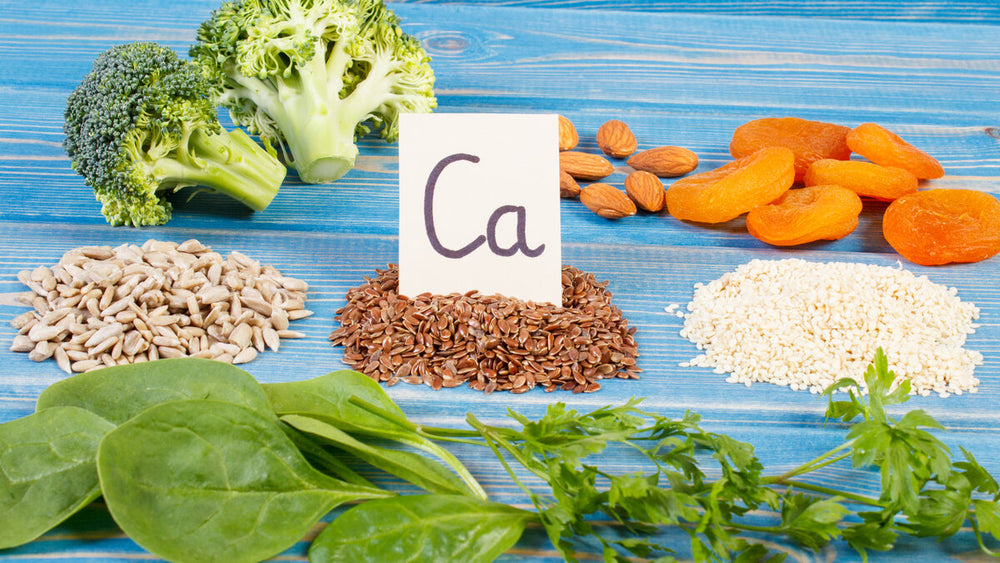
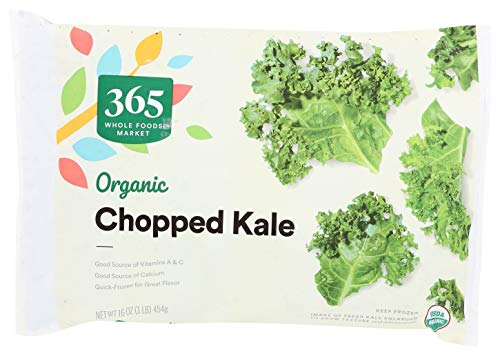
Leafy Greens: Kale, Collards, and Bok-Choy: A cup of cooked collards contains about 20-36% of the daily value of calcium. Kale and Bok Choy provide similar amounts. Compared with other leafy greens, these options have lower oxalic acid levels, which we will discuss further below. Essentially, these greens offer more bioavailable calcium for our bones.
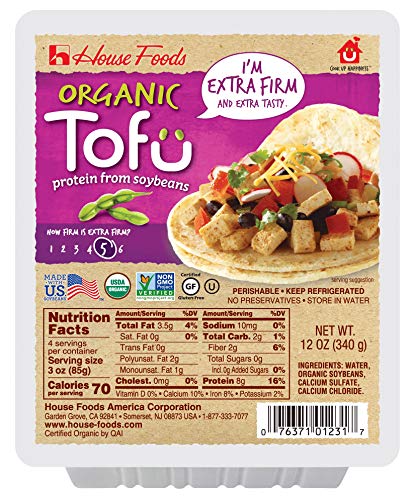
Legumes, Nuts, and Seeds: In addition to calcium, these choices provide protein, another necessary nutrient for plant-based dieters to pay attention to. Soybeans are particularly high in calcium. Tofu and edamame are calcium-containing staples in many plant-based diets. Soy milk is the only plant-based equivalent to dairy that contains the same amount of both calcium and protein as cow’s milk. This makes it a great alternative to the milk mustache. White beans, kidney beans, almonds, chia seeds, and sesame seeds are other great options.
Fortified Foods: Plant Milks, Juices, and Cereals: Although we encourage a whole-foods diet as much as possible, we all need a little help sometimes. Choosing processed foods fortified with calcium can help. Orange juice and other fruit juices, as well as plant-based milk, may contain added calcium. However, just because a product has the word “milk” on it does not automatically mean it has calcium. Always make sure to double-check the nutrition facts label. Also check cereals, cereal bars, and protein powders to see whether they contain added calcium.
The Challenge: Ensuring Adequate Calcium on a Plant-Based Diet
While many plant foods contain calcium, the challenge is that they also contain compounds, phytates and oxalates, that can reduce calcium absorption. This means the calcium content of plant foods doesn’t always give us the same bang for our buck as dairy products that are oxalate- and phytate-free. Phytates are found in many nuts, seeds, lentils, soybeans, and some wheat. Oxalates are found in leafy greens, certain fruits, beets, and sweet potatoes.
There are some strategies that can help mitigate the effects of these acids.
1) Cooking methods: Cooking, soaking, and fermenting your plants can reduce the oxalate content of some foods while keeping the calcium intact.
2) Meal timing: Space your calcium foods throughout the day, as calcium tends to absorb better in smaller doses. You can also try taking calcium supplements separately from your acid-containing meals.
3) Incorporate vitamin D: Vitamin D enhances calcium absorption in the body. Make sure you are obtaining enough through sunlight, fortified foods, or supplements if needed.
When to Consider Calcium Supplements
Whether plant-based eater or not, there may be some instances where diet alone is not enough to support adequate calcium intake. Identifying these cases can be tricky. Start by knowing your family or personal history of osteoporosis or osteopenia. If you have a strong family history of these diseases or a personal diagnosis, you may benefit from additional calcium support. Bone density tests may aid in the decision-making process. Alternatively, if your calcium needs exceed what you can consume in a day, you can consider supplementation. Pregnancy, lactation, or post-menopausal status in women are examples.
When choosing a calcium supplement, there are two primary forms: calcium carbonate or calcium citrate. Calcium citrate can be taken with or without food and is best for individuals with low stomach acid. However, it contains less absorbable calcium, so you may need to take multiple pills spaced throughout the day. Calcium carbonate needs to be taken with a meal, as it is absorbed more readily.
Strong bones aren’t limited just to an animal-based diet. They’re built by intentional, consistent dietary choices. With the right mix of leafy greens, soy foods, and fortified products, you can build a diet that supports your body's foundational structure.
FAQs
Can you get enough calcium on a plant-based diet?
Yes. Many plant foods contain calcium, including leafy greens, tofu made with calcium sulfate, edamame, white beans, almonds, chia seeds, sesame seeds, and fortified plant milks. With thoughtful planning, it is possible to meet your calcium needs without dairy products.
Which plant foods provide the most absorbable calcium?
Low-oxalate leafy greens such as kale, collard greens, and bok choy are among the best plant-based calcium sources because the body absorbs their calcium more efficiently than calcium found in higher-oxalate vegetables like spinach and beet greens.
Why doesn't all of the calcium in plant foods get absorbed?
Some plant foods contain naturally occurring compounds called oxalates and phytates, which can bind to calcium and reduce its absorption. Cooking, soaking, fermenting, and eating a variety of calcium-rich foods throughout the day can help maximize calcium availability.
Do I need a calcium supplement if I don't eat dairy?
Not necessarily. Many people can meet their calcium needs through a balanced diet that includes calcium-rich plant foods and fortified products. However, individuals with osteoporosis, osteopenia, higher calcium requirements, or difficulty meeting their needs through food alone may benefit from supplementation after discussing options with their healthcare provider.
What nutrients work together with calcium to support bone health?
Calcium is only one piece of the bone-health puzzle. Vitamin D helps the body absorb calcium, while adequate protein, magnesium, vitamin K, and regular weight-bearing exercise also play important roles in maintaining strong, healthy bones throughout life.
Are fortified plant milks as nutritious as cow's milk?
Some fortified plant milks can provide calcium levels similar to cow's milk. Soy milk is particularly noteworthy because it often contains comparable amounts of both protein and calcium. Always check the nutrition facts label, as nutrient content varies significantly between brands and products.














 Recipes
 Products

Comments
Join The Conversation...