


The Indo-Mediterranean Diet: A Flavorful Fusion for Heart Health & Longevity
When it comes to dining out, fusion cuisine is a trend that’s here to stay. Fusing dietary patterns for health benefits is a growing trend that also has staying power. A great example of this is the Indo-Mediterranean diet.
What is the Indo-Mediterranean Diet?
The Indo-Mediterranean diet sounds just as its name suggests. It is a fusion of the diets from two regions of the world: India and the Mediterranean. It combines the strengths of each of the diets to create a “super” diet.
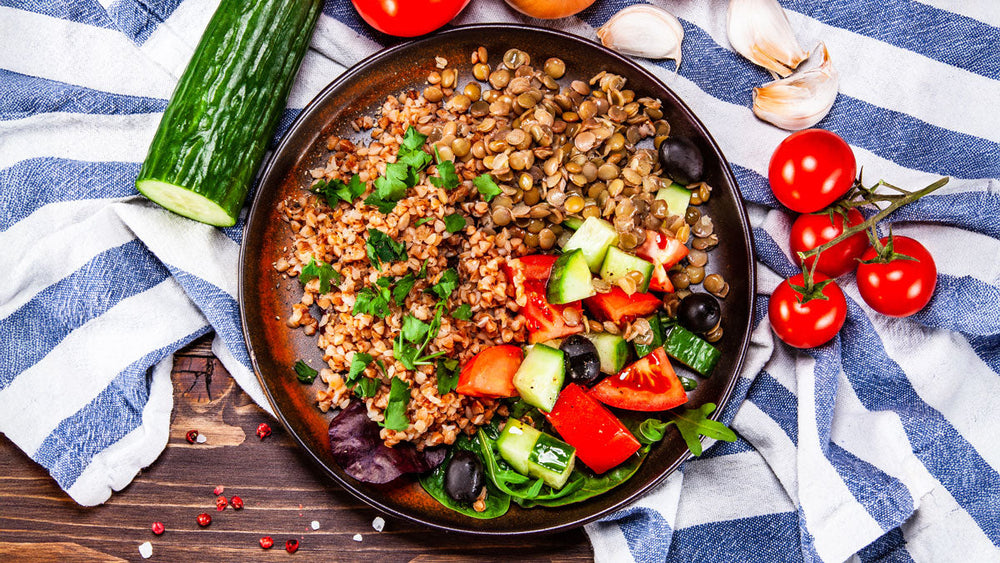
The Mediterranean diet is one of the most well-known dietary patterns. It is characterized by a high content of polyunsaturated fats from plant foods, such as nuts, seeds, olives, and olive oil, as well as omega-3 fats from seafood, which serves as a primary source of protein. It also contains a variety of whole grains, fruits, vegetables, and legumes. The Mediterranean diet includes moderate amounts of red wine and poultry, as well as limited amounts of dairy and red meat. Overall, the Mediterranean diet is classified as having a moderate degree of food diversity.
The Indo-Mediterranean diet, on the other hand, enhances the Mediterranean diet with the addition of foods and spices common to Indian cuisine. In the process, it increases plant-based food diversity while reducing the amount of animal protein. Poultry and red meat are not advised on the Indo-Mediterranean diet; however, fish is advised about twice/week. Buttermilk and curd are allowed in moderation. Wine is not advised, but again, it is allowed in moderate amounts. This diet contains more whole grains, including millets and porridge, than the Mediterranean diet. It also significantly increases the number of spices used. Examples include cinnamon, cumin, turmeric, coriander, and curry powder, among many more. Herbs in the form of tea are uncommon in Mediterranean dietary patterns and are incorporated into the Indo-Mediterranean diet.
Key Components and Health Benefits of the Indo-Mediterranean Diet
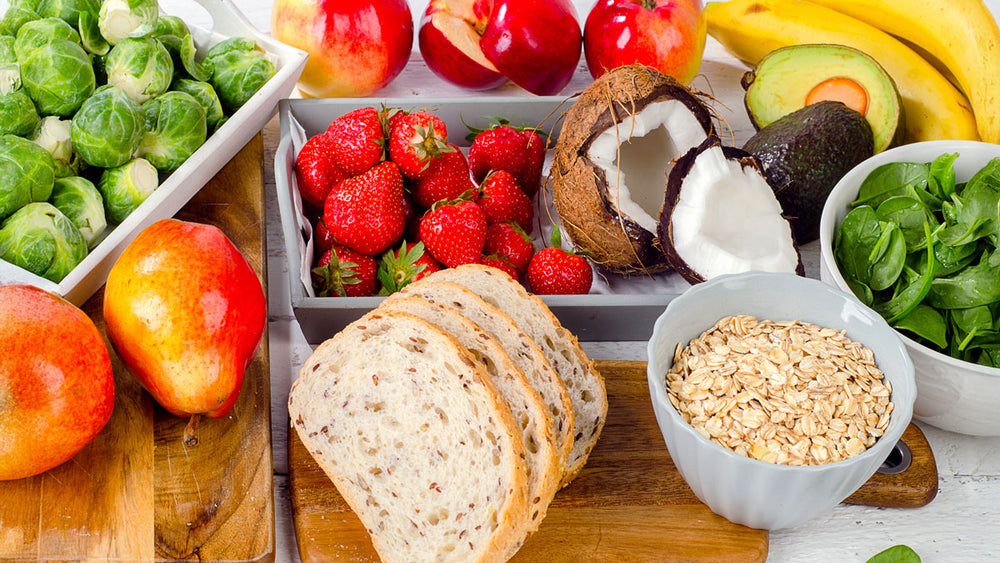
The Indo-Mediterranean diet is acclaimed for the variety of whole, minimally processed foods it offers. These foods provide high fiber, healthy fats, high antioxidant capacity, and high flavonoid content. These beneficial nutrients are associated with a reduced risk of chronic disease and even increased overall longevity. The Mediterranean diet itself has been associated with a lower risk of cardiovascular disease (CVDs), diabetes, and cancer. The Indo-Mediterranean diet is still associated with a lower risk of CVDs, and it also offers greater food diversity and a lower glycemic index ranking. This may offer additional protective benefits against chronic disease.
Practical Application: Incorporating the Indo-Mediterranean Diet
Are you ready to embrace the Indo-Mediterranean diet in your own kitchen? Here are some tips to get you started:
Put plants first: Limit animal proteins and instead try using legumes like beans, chickpeas, and lentils, paired with whole grains, as a high-fiber protein source.
Spice it up: Swap creamy sauces and salty dishes with herbs and sauces for maximum antioxidant and flavonoid benefits. Keep your pantry stocked with options to make a quick curry or opt for herbal tea as a soothing beverage.
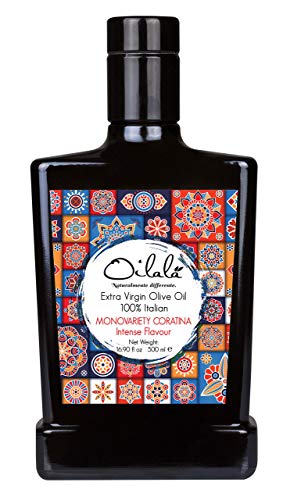
Heart-friendly fats: Aim to include a healthy source of fat at every meal. Examples include olives, olive oil, nuts, seeds, avocado, and fish and seafood. These fats have been linked to a reduced risk of chronic disease.
Adapting Traditional Recipes for This Hybrid Style
To implement this hybrid diet, consider incorporating your favorite dishes from either cuisine and adding a twist to them. For example, turn your favorite Mediterranean vegetables into a curry, or roast chickpeas and nuts with some Indian spices. Alternatively, pair whole-grain Indian roti with Mediterranean dips like hummus or tzatziki, and complement it with a side of olives for a touch of healthy fat. Feel free to be creative! The key is to honor your body’s needs while honoring the traditions and strengths of each dietary pattern. Let us know your favorite Indo-Mediterranean dishes in the comments below!
-
Estruch, R., Ros, E., Salas-Salvadó, J., Covas, M. I., Corella, D., Arós, F., Gómez-Gracia, E., Ruiz-Gutiérrez, V., Fiol, M., Lapetra, J., Lamuela-Raventos, R. M., Serra-Majem, L., Pintó, X., Basora, J., Muñoz, M. A., Sorlí, J. V., Martínez, J. A., Fitó, M., Gea, A., Hernán, M. A., … PREDIMED Study Investigators (2018). Primary Prevention of Cardiovascular Disease with a Mediterranean Diet Supplemented with Extra-Virgin Olive Oil or Nuts. The New England journal of medicine, 378(25), e34. https://doi.org/10.1056/NEJMoa1800389
-
Singh, R. B., Fedacko, J., Fatima, G., Magomedova, A., Watanabe, S., & Elkilany, G. (2022). Why and How the Indo-Mediterranean Diet May Be Superior to Other Diets: The Role of Antioxidants in the Diet. Nutrients, 14(4), 898. https://doi.org/10.3390/nu14040898









 Recipes
 Products

Comments
Join The Conversation...