



Defining Dysthymia (Persistent Depressive Disorder): Beyond Acute Depression
Dysthymia, clinically known as Persistent Depressive Disorder, is often overlooked because it does not present with the intensity of major depressive episodes. Instead, it manifests as a chronic, low-grade depression that can persist for years.
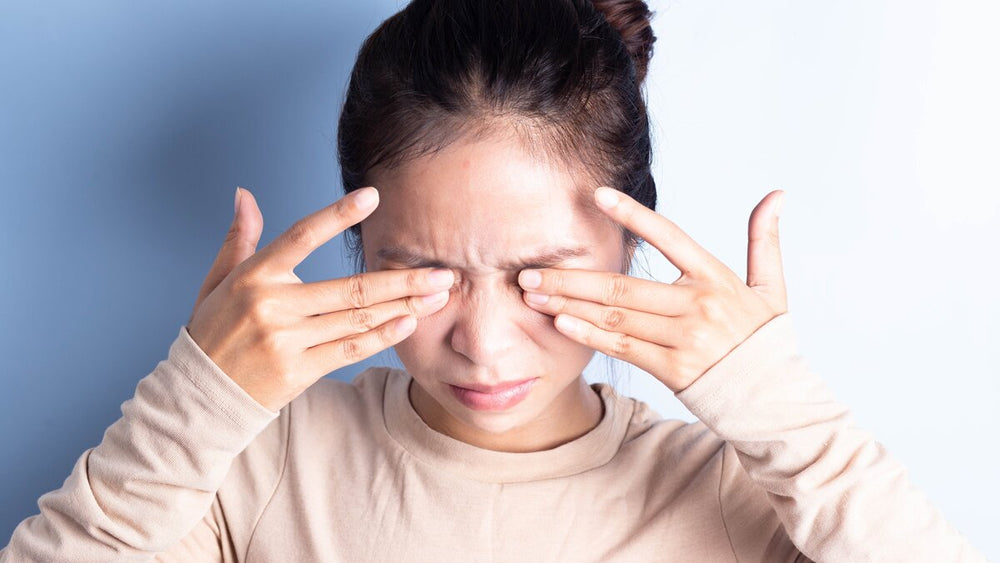
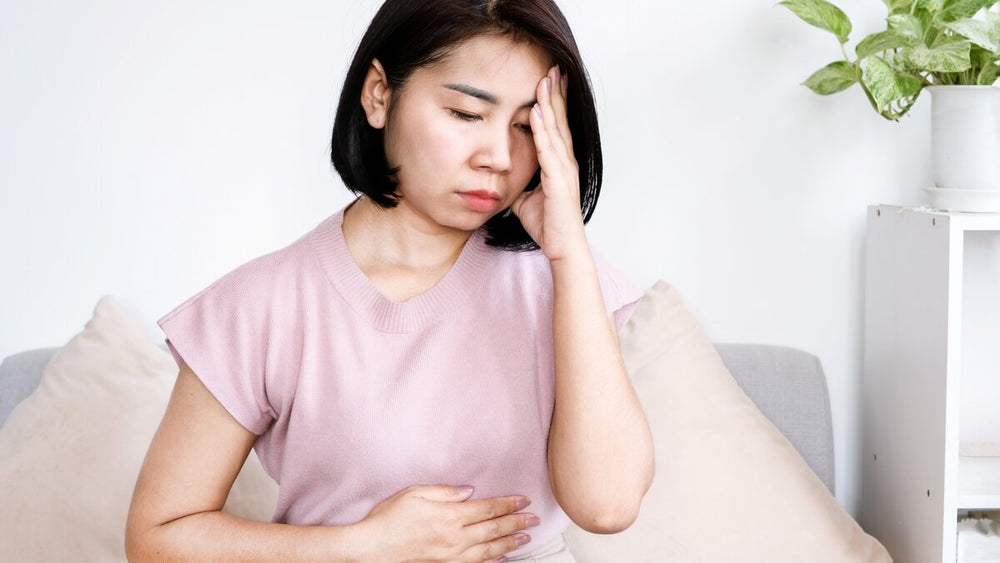
Patients rarely describe feeling “deeply depressed.” More often, they report feeling flat, fatigued, unmotivated, or emotionally disconnected, a baseline that gradually becomes their normal. This normalization contributes to underdiagnosis and undertreatment.
Patients rarely describe feeling “deeply depressed.” More often, they report feeling flat, fatigued, unmotivated, or emotionally disconnected, a baseline that gradually becomes their normal. This normalization contributes to underdiagnosis and undertreatment.
Unlike acute depression, dysthymia is not simply an episode; it is a persistent physiological and emotional state that influences daily functioning, identity, and overall health.
In this article, we’ll explore a different way of understanding it, one that looks beyond the mind alone and considers how your body, particularly your gut, plays a role in how you feel. We’ll walk through the connection between the gut and the brain, how it may influence mood, and what practical, evidence-based strategies, including nutrition and targeted support, can help you begin to feel more like yourself again.
Characteristics of Chronic Low Mood and Its Impact on Daily Function
Dysthymia is characterized by:
- Persistent low mood lasting two years or more
- Chronic fatigue and low energy
- Reduced motivation and productivity
- Subtle anhedonia (reduced ability to feel pleasure)
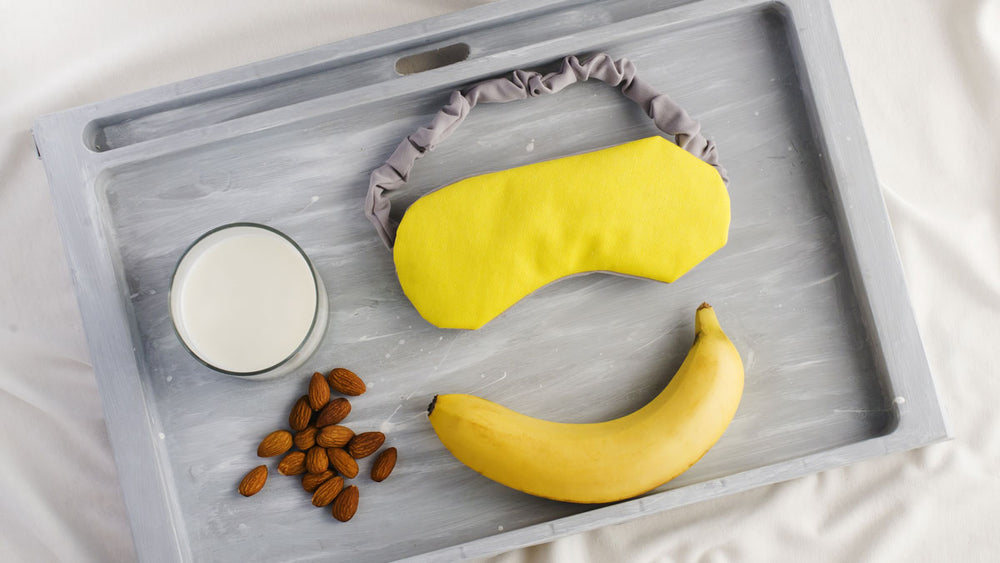
- Sleep disturbances
- Low self-esteem
Despite these symptoms, many individuals remain functional. They meet their responsibilities and maintain their routines, but often with a greater internal burden. Over time, this impacts cognitive performance, emotional resilience, and physical health through chronic stress pathways.
The Need for Holistic Treatment Beyond Traditional Methods
Standard treatments—including psychotherapy and pharmacologic interventions—are essential. However, many patients continue to experience residual symptoms, suggesting that dysthymia extends beyond purely psychological mechanisms.
Increasingly, research supports the role of systemic factors, including inflammation, metabolic health, and gut function, in the persistence of depressive symptoms. This broader understanding opens the door to integrative, multi-system approaches.
Increasingly, research supports the role of systemic factors, including inflammation, metabolic health, and gut function, in the persistence of depressive symptoms. This broader understanding opens the door to integrative, multi-system approaches.
The Gut-Brain Axis: The Core Connection to Mood
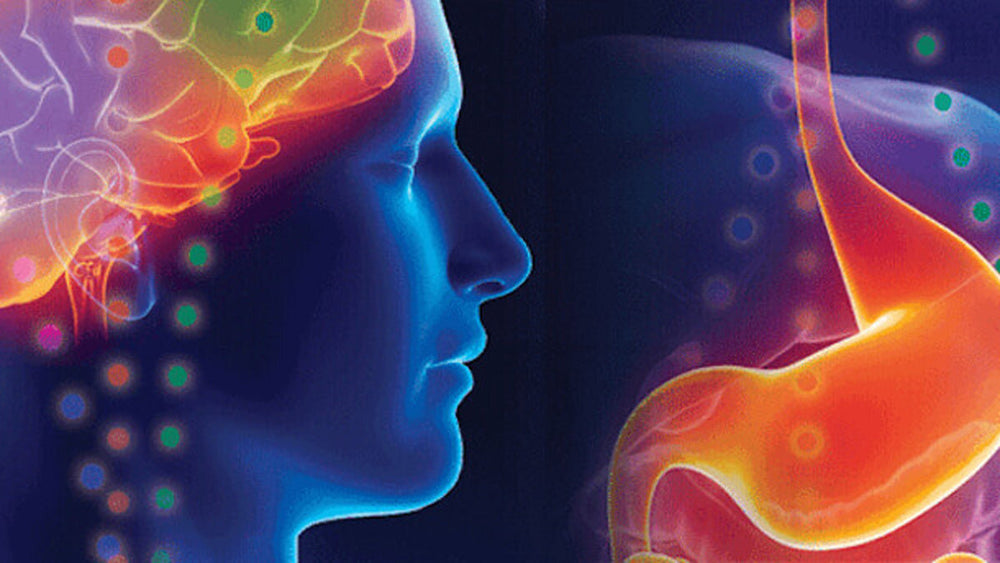
The gut-brain axis represents a dynamic, bidirectional communication network between the gastrointestinal system and the central nervous system. This connection is mediated through neural, hormonal, and immune pathways—making the gut a key regulator of mood and emotional health.
How the Vagus Nerve Links the Gut and the Brain
Central to this communication is the vagus nerve, which functions as a direct signaling pathway between the gut and brain.
Approximately 80% of vagal signals travel from the gut to the brain, influencing:
- Stress response
- Emotional regulation
- Inflammatory control
Disruptions in vagal tone have been associated with mood disorders, including chronic depression.
The Role of Gut Microbes in Neurotransmitter Production (e.g., Serotonin)
The gut microbiome plays a critical role in neurochemistry.
- Around 90% of serotonin is produced in the gut
- Gut bacteria influence GABA, dopamine, and other neuroactive compounds
- These substances affect mood, cognition, and resilience to stress
A balanced microbiome supports emotional stability, while disruption can contribute to persistent low mood.
Evidence Linking Dysthymia and Gut Dysbiosis
Emerging evidence suggests that individuals with chronic mood disorders often present with gut dysbiosis, a disruption in the composition and function of gut bacteria. This imbalance contributes to systemic changes that directly affect brain function.
Inflammation: How Gut-Driven Chronic Inflammation Affects Brain Chemistry
Gut dysbiosis can trigger chronic low-grade inflammation, increasing pro-inflammatory cytokines that interfere with neurotransmitter balance.
This inflammatory state has been associated with:
- Reduced serotonin availability
- Altered dopamine signaling
- Fatigue and cognitive impairment
In dysthymia, this creates a biological environment that sustains low mood over time.
Permeability Issues: The "Leaky Gut" and Its Contribution to Systemic Stress
Increased intestinal permeability, often referred to as leaky gut syndrome, allows inflammatory molecules to enter the bloodstream.
This leads to:
This leads to:
- Chronic immune activation
- Increased systemic stress
- Disruption in brain signaling
These mechanisms further reinforce the persistence of depressive symptoms.
Gut-Centric Strategies for Managing Persistent Depression
Addressing dysthymia effectively requires a systems-based approach that supports the gut-brain axis alongside traditional mental health care.
Dietary Interventions: Prioritizing Fiber, Fermented Foods, and Omega-3s
Nutrition provides the foundation for gut and mental health.
- Fiber-rich foods support beneficial bacteria and reduce inflammation
- Fermented foods (e.g., yogurt, kefir, sauerkraut) enhance microbial diversity, though tolerance varies
- Omega-3 fatty acids support brain function and reduce inflammation
Dietary strategies should be personalized, particularly in individuals with food sensitivities or gastrointestinal conditions.
The Potential Role of Psychobiotics (Targeted Probiotics)
A more targeted approach involves psychobiotics: specific probiotic strains that influence mood and stress response through the gut-brain axis.
These strains act through multiple mechanisms, including:
- Modulation of neurotransmitters such as serotonin and GABA
- Reduction of systemic inflammation
- Regulation of the stress response (HPA axis)
- Signaling through the vagus nerve
Clinical studies suggest that psychobiotics may lead to modest but meaningful improvements in depressive symptoms, particularly when used alongside standard treatments.
Clinically Studied Psychobiotic Strains and Formulations
-
Lactobacillus helveticus R0052 + Bifidobacterium longum R0175
→ Associated with reduced stress, anxiety, and cortisol -
Bifidobacterium longum 1714
→ Linked to improved stress resilience and cognitive function -
Lactobacillus plantarum PS128
→ Studied for mood regulation and depressive symptoms
These strains are available in formulations such as:
- Probio’Stick
- Zenflore
- Neuralli
Some multi-strain probiotics (e.g., Seed DS-01, Garden of Life Mood+) may provide broader gut support, though they are not always strain-specific in clinical trials. Product examples are provided for educational purposes only and do not constitute an endorsement. Always consult a healthcare professional before beginning any new supplement.
Practical Considerations for Use
- Effects are strain-specific
- Best used as adjunctive therapy, not as a replacement for mental health treatment
- Responses vary based on microbiome composition, inflammation, and gut sensitivity
- Gradual introduction is recommended, especially in sensitive individuals
When used appropriately, psychobiotics serve as a targeted tool to support the biological pathways involved in chronic low mood.
Integrating Gut Health Support with Mental Health Treatment
The most effective approach to dysthymia is integrative.
This includes:
- Psychotherapy
- Pharmacologic support when indicated
- Nutritional strategies
- Targeted supplementation, including psychobiotics
- Lifestyle interventions (sleep, movement, stress regulation)
This model recognizes dysthymia as a condition influenced by interconnected physiological systems, rather than an isolated mental health disorder.
Conclusion
Dysthymia is not simply a milder form of depression; it is a chronic, system-wide condition that calls for a broader and more integrative therapeutic perspective. As our understanding of the gut-brain axis continues to evolve, so too does our ability to approach persistent mood disorders through multiple biological pathways.
Incorporating emerging strategies such as psychobiotics allows clinicians to move beyond symptom management and toward addressing the underlying physiological imbalances that contribute to chronic low mood. While these interventions do not replace established mental health treatments, they offer a meaningful extension of care, particularly for individuals who continue to experience residual symptoms.
Ultimately, this integrative approach reframes dysthymia not as a static diagnosis, but as a dynamic condition influenced by interconnected systems. By supporting both mind and body, we create the opportunity not only for improved functioning but for the restoration of vitality, resilience, and a more sustained sense of well-being.
FAQs
What is dysthymia?
Dysthymia, now called Persistent Depressive Disorder (PDD), is a chronic form of depression characterized by a low mood that lasts for at least two years in adults. Symptoms are often less severe than major depression but can significantly affect quality of life.
How is dysthymia different from major depression?
Major depression typically involves more intense symptoms that occur in episodes, while dysthymia involves a persistent, long-term low mood that may feel like a person's normal emotional baseline.
What does gut health have to do with depression?
The gut and brain communicate through the gut-brain axis. Research suggests that gut bacteria, inflammation, and nervous system signaling may influence mood, stress responses, and emotional well-being.
What are psychobiotics?
Psychobiotics are specific probiotic strains that may influence mood and stress through their effects on the gut-brain axis. They are being studied as complementary tools alongside traditional mental health treatments.
How does improving gut health support emotional well-being?
Supporting gut health through fiber-rich foods, fermented foods, adequate sleep, physical activity, and stress management may help maintain a healthier gut microbiome. Research suggests that these factors may positively influence communication between the gut and brain.
Can probiotics replace antidepressants or therapy?
No. Probiotics and psychobiotics should be viewed as complementary approaches. Individuals experiencing depression should work with qualified healthcare professionals to determine the most appropriate treatment plan.
References
1American Psychiatric Association. (2013). Diagnostic and statistical manual of mental disorders (5th ed.). American Psychiatric Publishing. https://doi.org/10.1176/appi.books.9780890425596
2Miller, A. H., & Raison, C. L. (2016). The role of inflammation in depression. JAMA Psychiatry, 73(9), 904–905. https://doi.org/10.1001/jamapsychiatry.2016.0994
3Cryan, J. F., & Dinan, T. G. (2012). Mind‑altering microorganisms: The impact of the gut microbiota on brain and behaviour. Nature Reviews Neuroscience, 13(10), 701–712. https://doi.org/10.1038/nrn3346
4Dinan, T. G., Stanton, C., & Cryan, J. F. (2013). Psychobiotics: A novel class of psychotropics. Biological Psychiatry, 74(10), 720–726. https://doi.org/10.1016/j.biopsych.2013.05.001
5Mayer, E. A. (2016). Gut feelings: The emerging biology of gut–brain communication. Nature Reviews Neuroscience, 17(8), 473–485. https://doi.org/10.1038/nrn.2016.69
6Kimse, L., Reinis, A., Miķelsone‑Jansone, L., Gintere, S., & Krūmiņa, A. (2024). A narrative review of psychobiotics: Probiotics that influence the gut‑brain axis. Medicina, 60(4), 601. https://doi.org/10.3390/medicina60040601
7Sarkawi, M., Raja Ali, R. A., Abdul Wahab, N., Abdul Rathi, N. D., & Mokhtar, N. M. (2024). A randomized, double-blinded, placebo-controlled clinical trial on Lactobacillus-containing cultured milk drink as adjuvant therapy for depression in irritable bowel syndrome. Scientific reports, 14(1), 9478. https://doi.org/10.1038/s41598-024-60029-2
8Huang, R., Wang, K., & Hu, J. (2016). Effect of probiotics on depression: A systematic review and meta‑analysis of randomized controlled trials. Nutrients, 8(8), 483. https://doi.org/10.3390/nu8080483
9Lillehei, A. (2024). Psychobiotics in depression: A review. Explore: The Journal of Science and Healing, 20(5), 103023. https://doi.org/10.1016/j.explore.2024.103023












 Recipes
 Products
Comments
Join The Conversation...