

Dark Therapy for Better Sleep: How Darkness Can Improve Mood, Melatonin, and Even GERD Symptoms
By someone who appreciates sleep almost as much as late-night snacks (GERD-friendly ones, of course)
When was the last time you turned off every light in your home—every light—before bed? Not the “I turned off the lamp, but my bathroom vanity looks like a Broadway marquee” kind of dark. Actual darkness. If you can’t remember, you’re not alone. Modern life has become one big 24-hour light show, and our brains are paying the price.
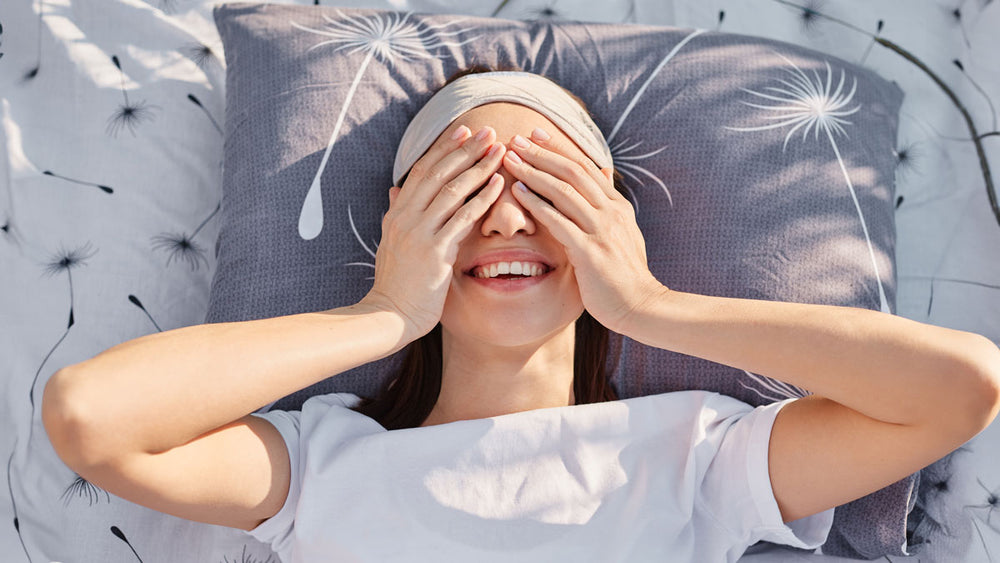
Enter Dark Therapy: a surprisingly simple, slightly dramatic-sounding, and genuinely effective strategy that uses intentional darkness to support better sleep, improve mood, and help your body function the way it was designed to. Think of it as giving your circadian system a spa day—minus the cucumbers on your eyes (or keep the cucumbers).
And yes, if you’re managing GERD, this matters for you too. Because poor sleep increases reflux symptoms, and reflux increases poor sleep. It’s the tango no one asked for, but darkness may help break the cycle.
🌙 What Is Dark Therapy, Anyway?
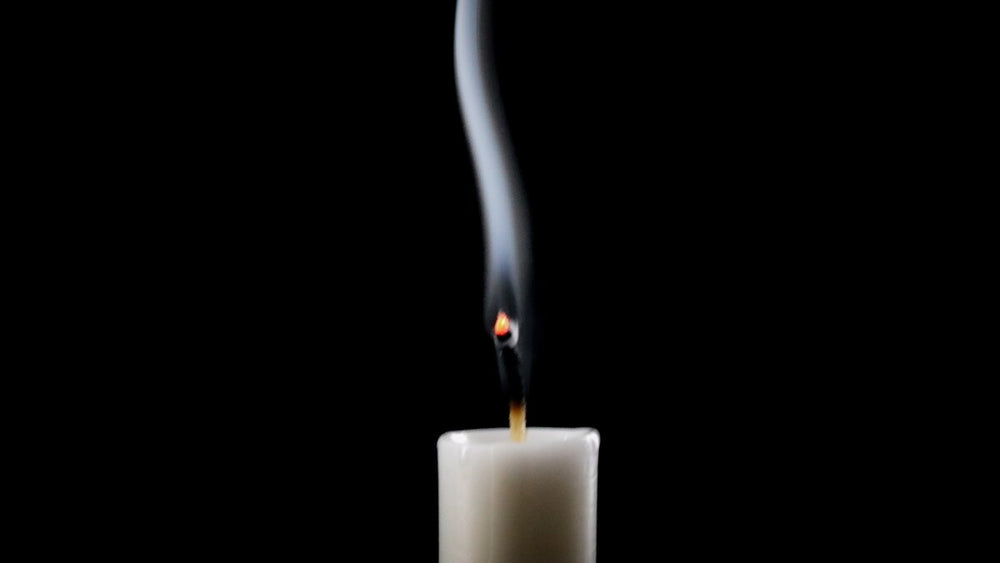
Dark therapy is the practice of strategically reducing or eliminating evening light exposure to support melatonin production and regulate circadian rhythms. Melatonin is the body’s natural “it’s time to settle down” hormone, and it’s extremely sensitive to light.
Your body is basically a toddler: show it something bright and shiny, and suddenly it’s wide awake and ready for action.
Dark therapy aims to reverse that.
Think of it as mood lighting for your brain. Except instead of romance, you’re setting the mood for deep, restorative sleep and more stable emotional health.
🔵 Why Blue Light Is the Sneaky Villain
If darkness is the hero of our story, blue light is the chaotic gremlin stealing melatonin and pushing your bedtime back one TikTok scroll at a time.
Blue light—which comes from screens, LED bulbs, and many household electronics—suppresses melatonin more than other wavelengths. During the day, this is great! It boosts alertness, helps with cognitive performance, and keeps you energized.
At night… not so great.
Blue light tells your body, “Rise and shine!” when all you want is “Please let me fall asleep before my reflux kicks in.”
Reducing blue light exposure 1–2 hours before bed lets your body transition toward sleep naturally—without feeling like you’re negotiating with your own brain.
🌑 How Darkness Boosts Mood and Health
Here’s the fun twist: dark therapy isn’t just about sleep. It also supports emotional regulation and overall well-being.
✔ Better Sleep Quality
Darkness increases melatonin levels, which improve sleep onset, sleep depth, and sleep regularity. Better sleep = more energy, better memory, better metabolism, and less irritability toward coworkers the next morning.
✔ Improved Mood
Studies show that controlled darkness can reduce symptoms of mania, stabilize mood, and support emotional balance. Humans were not built for perpetual brightness—our brains need the off-switch.
✔ Healthier Circadian Rhythms
A consistent light-dark cycle keeps your internal clock running smoothly. When this clock is aligned, other systems work better too—digestion, metabolism, immune responses, and even hormone production.
That’s where the GERD connection sneaks in:
Better sleep → less inflammation → fewer nighttime reflux episodes → happier mornings.
Better sleep → less inflammation → fewer nighttime reflux episodes → happier mornings.
And maybe fewer late-night regrets about spicy snacks.
🕯 Easy Ways to Try Dark Therapy Tonight
You don’t need a cave or a blackout bunker. Just some small, realistic changes:
-
Dim overhead lights 2 hours before bed.
Think “romantic evening,” even if it's just you and your tea. -
Switch to warm, low-lux lighting.
Amber or red bulbs are great. Avoid LED daylight bulbs at night unless you want your kitchen to feel like an operating room. -
Avoid screens before bed (or use blue blocking glasses).
Yes, this means TikTok. Yes, I know. -
Use blackout curtains.
Your bedroom should look like a movie theater that only screens dreams. -
Cover or turn off glowing electronics.
If the light from your air purifier could double as a lighthouse beacon, it’s time to tape over it. -
Try “dark hour.”
Give yourself 60 minutes of near-total darkness before bed. It’s shockingly soothing—and you may notice fewer reflux flares if you’re also avoiding late-night eating.
🌘 The Bottom Line
Dark therapy isn’t about living like a bat or giving up all screens (although your melatonin would love that). It’s about giving your eyes—and your brain—a break from constant stimulation.
Is it simple? Yes.
Does it work? Also yes.
Could it support overall digestive wellness indirectly by improving sleep and reducing stress? Very likely.
Does it work? Also yes.
Could it support overall digestive wellness indirectly by improving sleep and reducing stress? Very likely.
So tonight, dim the lights. Let the darkness do its job.
Your melatonin is waiting for its big moment.
Your melatonin is waiting for its big moment.
I see you, and you are beautiful.
References
1Dollish, H. K., Tsyglakova, M., & McClung, C. A. (2024). Circadian rhythms and mood disorders: Time to see the light. Neuron. https://doi.org/10.1016/j.neuron.2023.09.023
2American Medical Association. (n.d.). 2824347. https://edhub.ama-assn.org/ama-journal-of-ethics/module/2824347
3Hester, L., Dang, D., Barker, C. J., Heath, M., Mesiya, S., Tienabeso, T., & Watson, K. (2021). Evening wear of blue-blocking glasses for sleep and mood disorders: a systematic review. https://doi.org/10.1080/07420528.2021.1930029
4Harvard Health Publishing. (n.d.). Blue light has a dark side. http://www.health.harvard.edu/staying-healthy/blue-light-has-a-dark-side












 Recipes
 Products

Comments
Join The Conversation...