


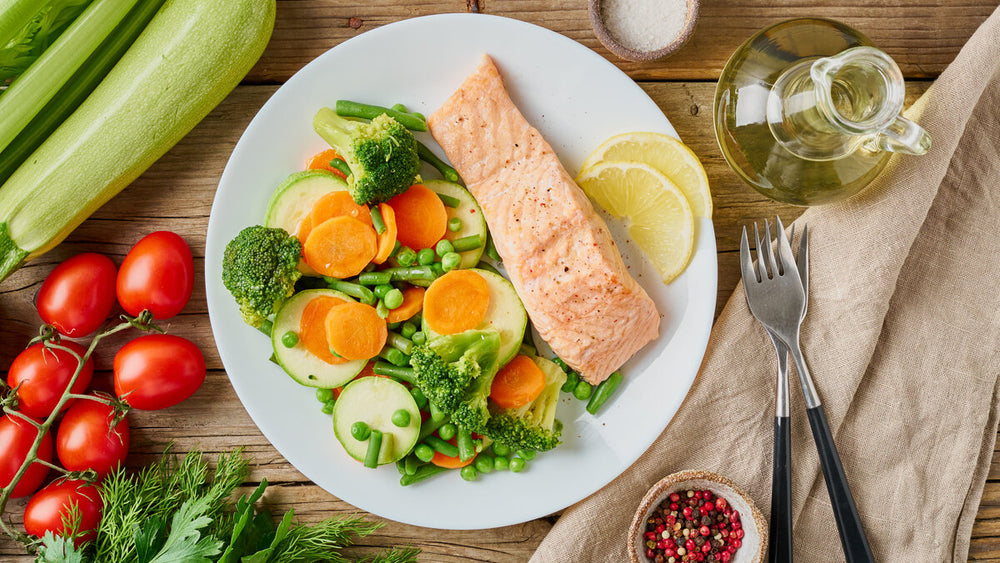
10 FODMAP-Free Foods That Are Nutritional Powerhouses
Following a Low FODMAP diet can be a powerful way to reduce the pain and discomfort of IBS, but it shouldn’t reduce essential nutrient intake. While much of the focus is on what to avoid, it’s just as important to highlight the foods that are necessary to include. From high-quality proteins to vitamin-rich produce, a thoughtfully planned FODMAP-friendly diet can be both gentle on your gut and rich in the nutrients you need to thrive.
The Top 10 FODMAP-Free Nutritional Powerhouses
Start your healthy eating plan with a base of foods that provide nutrient bang for your buck. Choose foods that have more than one benefit for the body. Here are my top ten favorites:
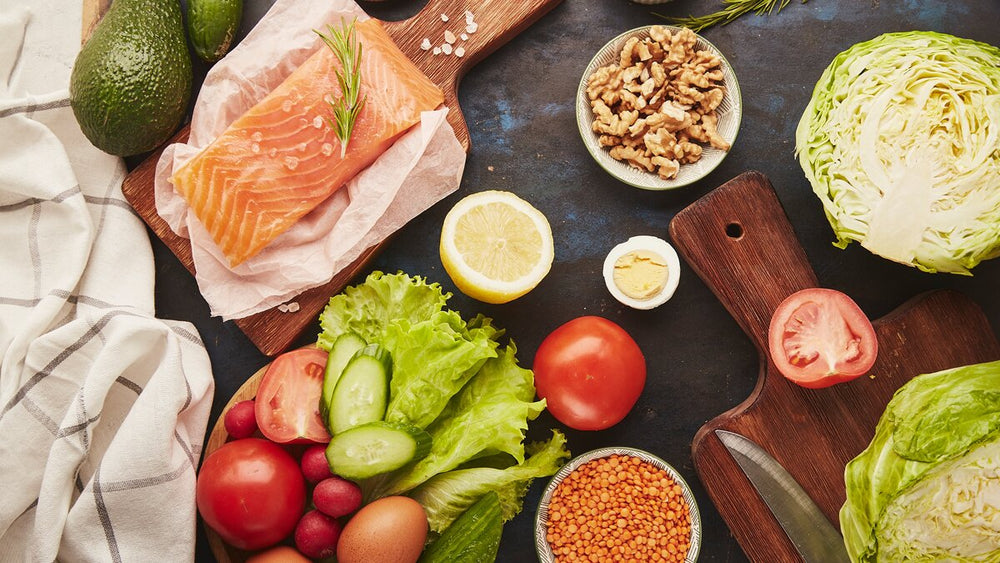
- Salmon is an excellent source of protein, as well as anti-inflammatory omega-3 fats.
- Eggs contain all the essential amino acids to be a complete protein and micronutrients like choline and healthy fats for brain health.
- Nuts and seeds, including walnuts, pumpkin seeds, and macadamia nuts, have a mix of fiber, fats, and even a little protein.
- Tofu and soy milk provide a FODMAP-friendly and plant-based option for both protein and calcium intake.
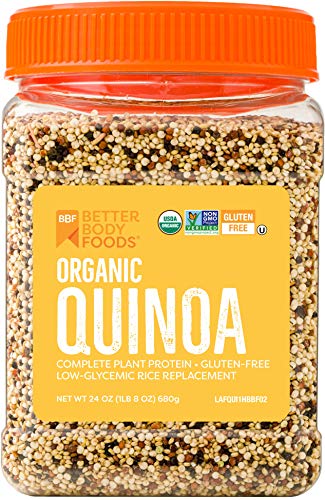
- Quinoa is a high-fiber carbohydrate that gives the body sustainable energy. It also provides essential minerals such as phosphorus and magnesium.
- Sourdough spelt bread is a gut-safe carbohydrate choice for sandwiches and toasts with additional fiber from the spelt.
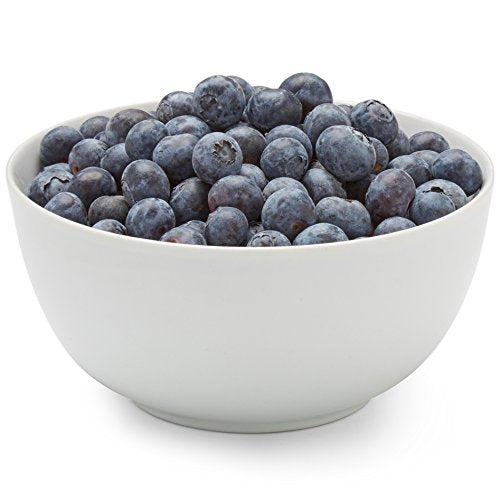
- Blueberries are an antioxidant-rich fruit choice that can be easily added to FODMAP-friendly dishes like salads and smoothies.
- Oranges are a high-fiber and vitamin C-rich fruit, great for when you just need to grab a snack off the counter.
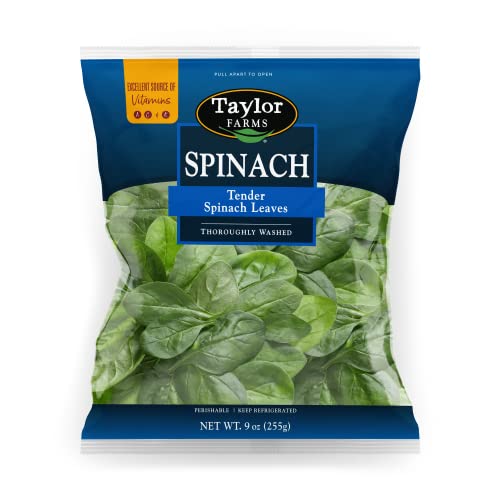
- Spinach is a versatile leafy green that contains fiber and an array of micronutrients like vitamin K, C, folate, and manganese.
- Green bell pepper is an excellent crunchy option with both vitamin K and vitamin C.
Maximizing Absorption and Meal Planning
These ten foods are a great start, but you can always add or edit them to make a personalized list of your go-tos. From there, consider how to pair the foods to create various meals. For example, cook a quinoa, tofu, and bell pepper stir-fry, or prepare a colorful salmon and spinach salad sprinkled with pumpkin seeds and blueberries.
To take your nutrient maximization a step further, you can pair certain nutrients to enhance absorption. Vitamin C and iron are a classic pairing. Vitamin C improves your body’s ability to absorb and use iron. Add a serving of one or more of the above vitamin C-rich foods to dishes that are higher in iron content. Another prime example is that healthy fats and the fat-soluble vitamins A, D, E, and K require fat for the body to utilize them. Consider salmon, nuts, seeds, or eggs as fat-containing nutrient maximizers.
As you are building your meals, don’t forget to look at the bigger picture. Aim to get a source of each of the three macronutrients on your plate. Protein, carbohydrates, and fats all work together to sustain our health. As a bonus, try to make some of these choices fiber-rich for the happiest gut possible. If we primarily select whole foods, we are sure to get important micronutrients in addition to macronutrients.
Navigating Serving Sizes and Hidden FODMAPs
There are some foods that are FODMAP-friendly up to a certain portion size. The greater the portion of food, the more FODMAPs may accumulate. For example, sweet potatoes should be limited to ½ cup, as larger quantities can contain excess mannitol. To help you navigate these nuances, consult with reliable information sources. The well-known Monash University, for example, has a wealth of FODMAP resources, including the Monash University FODMAP Diet App. Some health organizations also offer resources, including free food lists available on their websites. If you need a little extra support crafting a balanced diet that supports your unique health needs, consider consulting with a registered dietitian in your area.
Eating Low FODMAP doesn’t have to mean eating low nutritional value. Copy or modify the above list of 10 foods to create a solid and personalized foundation for your diet, and watch your gut health flourish.
FAQs
Can you get enough nutrients while following a Low FODMAP diet?
Absolutely. While the Low FODMAP diet temporarily limits certain foods, there are still many nutrient-dense options available. Foods such as salmon, eggs, spinach, blueberries, quinoa, tofu, nuts, and seeds provide a wide range of protein, fiber, healthy fats, vitamins, and minerals while remaining Low FODMAP-friendly.
Why are serving sizes important on a Low FODMAP diet?
Some foods are considered Low FODMAP only at specific portion sizes. Larger servings may contain enough FODMAPs to trigger symptoms. For example, a small serving of sweet potato may be well tolerated, while a larger portion can become high in mannitol. Following evidence-based serving recommendations can help reduce digestive discomfort.
How can I make Low FODMAP meals more nutritionally balanced?
Aim to include a source of protein, carbohydrate, and healthy fat at each meal. For example, pair salmon with quinoa and spinach, or combine tofu, bell peppers, and rice in a stir-fry. Building balanced meals can help support energy levels, satiety, and overall nutrition while managing IBS symptoms.
What is one of the biggest mistakes people make on a Low FODMAP diet?
One common mistake is focusing only on foods to avoid rather than the many nutritious foods that can be included. Overly restrictive eating may make it harder to meet fiber, vitamin, and mineral needs. The goal of the Low FODMAP diet is symptom management—not long-term elimination of as many foods as possible.













 Recipes
 Products
Comments
Join The Conversation...