



Dietary Advanced Glycation End Products (AGEs): What They Are and How to Reduce Them
Scientific-sounding buzzwords can make nutritional information seem daunting, but that’s why we are here: to help break down the complicated to make it digestible. Today’s guide focuses on dietary advanced glycation end products (AGEs). We will cover what they are, their impact on health, and how to avoid them in your diet if you choose.
Understanding Dietary AGEs: What They Are and How They Form
AGEs form through a process called glycation, which occurs when proteins or fats combine with sugars in the bloodstream. AGEs are harmful to the body and are eliminated through natural processes involving antioxidants and enzymatic reactions. However, when the buildup of AGEs becomes excessive, the body can’t keep up with eliminating them.
Unfortunately, AGEs are also formed in foods during high-heat cooking methods such as grilling, roasting, frying, and searing. These are called dietary AGEs (dAGEs) and are the most significant source of AGEs. dAGEs are more likely to be found in animal-derived foods that are high in fat and protein, whereas carbohydrate-rich foods and milks are relatively low in dAGEs.
The Health Impact of Dietary AGEs
So, how are AGEs harmful to us? When they build up, they can become pathogenic by promoting oxidative stress and inflammation. If those terms are sounding the alarm bells, they should. Chronic oxidative stress and inflammation are linked with almost every disease, from heart disease to diabetes mellitus, kidney disease, and beyond.
dAGEs directly correlate with circulating blood AGEs and oxidative stress. This indicates that the amount of dAGEs you consume affects your body's levels, worsening inflammation. We can assume that restricting dAGEs would help minimize oxidative stress and inflammation in the body.
Strategies to Reduce Dietary AGE Intake
The next logical question is, how can we avoid dAGEs? A report on dAGE foods outlines two primary strategies: be mindful of cooking methods that promote AGE formation and choose foods that are naturally low in dAGEs. Let’s break down its findings.
Cooking Methods to Minimize AGE Formation
As mentioned earlier, the higher the cooking temperature, the more likely AGEs are to form. Moderate or lower-heat cooking methods that may slow AGE formation include poaching or steaming rather than grilling, stewing, or boiling. Interestingly, microwaving does not seem to raise dAGE levels. However, if you must choose the riskier options, try cooking them at a lower heat setting if possible.
This report shows that low-pH foods inhibit AGE formation. This means that preparing foods in an acidic marinade or low-pH solution, such as lemon juice or vinegar, may help inhibit AGE development. Similarly important is the oil that you cook your food in. Because glycation occurs when fat combines with sugar, try using lower-saturated-fat cooking oils. Our referenced report suggests that cooking with oil, margarine, or cooking spray produces fewer dAGEs than butter.
Emphasizing Low-AGE Food Choices
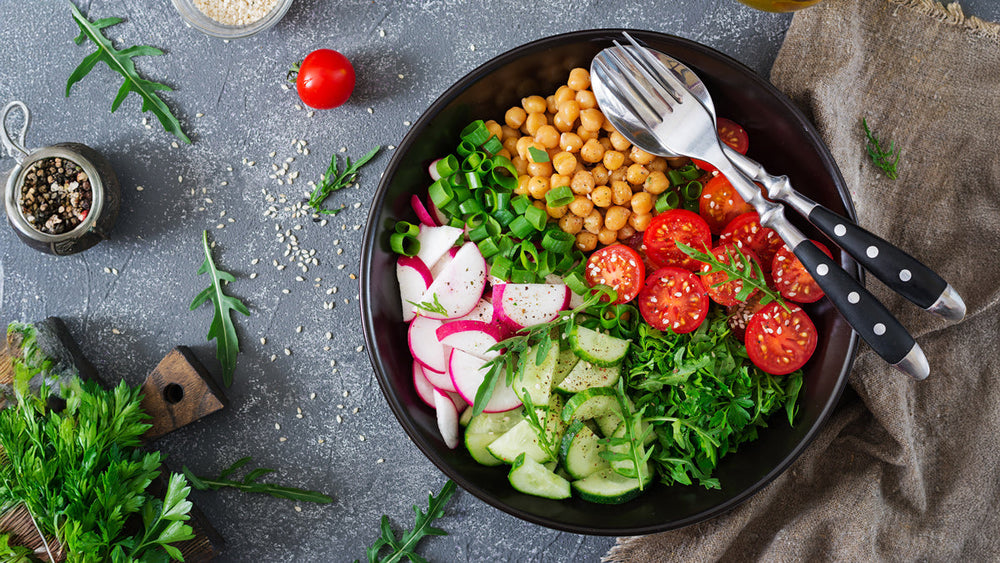
Again, higher-protein and higher-fat foods are more likely to promote the formation of dAGEs. This means that a diet rich in high-fat animal products, such as full-fat cheeses and red meats, is more likely to produce dAGEs. On the other hand, higher carbohydrate foods are lower on the dAGE production scale. Your higher-carbohydrate foods are your plant foods, including fruits, vegetables, legumes, and more. Despite being plant foods, some nuts can produce more dAGEs, especially when roasted. This is likely due to their fat and protein content.
Practically speaking, to limit your dAGE intake, focus on a plant-forward diet with modest amounts of animal products. When choosing animal products, select lean cuts of meat and low-fat dairy. If you decide to splurge on higher-fat animal products, keep the above cooking and preparation methods in mind. Consider marinating in an acidic solution and opt for a lower heat cooking method.
Bottom-Line
At the end of the day, we can’t entirely avoid AGE formation, nor should we! Again, our body has built-in mechanisms to reduce it. The key is to ensure we don’t inadvertently create dietary patterns that our bodies can’t keep up with eliminating AGEs. Choosing more plant foods and being mindful of how we cook are great places to start.
FAQs
What are advanced glycation end products (AGEs)?
Advanced glycation end products (AGEs) are compounds that form when sugars react with proteins or fats. They can be produced naturally in the body and are also created during certain cooking methods, particularly those that use high heat, such as grilling, frying, roasting, and searing.
Are dietary AGEs harmful to health?
Research suggests that excessive exposure to AGEs may contribute to oxidative stress and inflammation, which are associated with chronic conditions such as heart disease, type 2 diabetes, and kidney disease. However, AGEs are only one of many factors that influence overall health, and more research is ongoing to better understand their long-term effects.
What cooking methods produce fewer AGEs?
Lower-temperature cooking methods generally produce fewer AGEs than high-heat cooking techniques. Steaming, poaching, boiling, stewing, and microwaving tend to result in lower AGE formation compared with grilling, broiling, roasting, or frying. Marinating foods in acidic ingredients such as vinegar or lemon juice may also help reduce AGE production during cooking.
Do I need to eliminate animal products to reduce dietary AGEs?
No. While higher-fat animal products tend to contain more dietary AGEs, completely eliminating animal foods is not necessary for most people. Choosing leaner protein sources, incorporating more fruits, vegetables, legumes, and whole grains, and using lower-temperature cooking methods can help reduce dietary AGE intake while maintaining a balanced eating pattern.
References
1Chavda, V. P., Feehan, J., & Apostolopoulos, V. (2024). Inflammation: The Cause of All Diseases. Cells, 13(22), 1906. https://doi.org/10.3390/cells13221906
2Uribarri, J., Cai, W., Peppa, M., Goodman, S., Ferrucci, L., Striker, G., & Vlassara, H. (2007). Circulating glycotoxins and dietary advanced glycation endproducts: two links to inflammatory response, oxidative stress, and aging. The journals of gerontology. Series A, Biological sciences and medical sciences, 62(4), 427–433. https://doi.org/10.1093/gerona/62.4.427
3Uribarri, J., Woodruff, S., Goodman, S., Cai, W., Chen, X., Pyzik, R., Yong, A., Striker, G. E., & Vlassara, H. (2010). Advanced glycation end products in foods and a practical guide to their reduction in the diet. Journal of the American Dietetic Association, 110(6), 911–16.e12. https://doi.org/10.1016/j.jada.2010.03.018














 Recipes
 Products

Comments
Helen Vlassara MD, Professor
08/21/2026 at 01:05 PM
A very good article, thank you !
However it would be appropriate to recognize and refer to the researcher who first discovered that dietary AGEs are absorbed with the diet, and that are major contributors to major chronic diseases, unlike dr. Maillard who simply described their presence in cooked foods. These facts consists a major difference in nutritional science and disease prevention and treatment.
Join The Conversation...