


The Gut-Heart Connection: How Gut Health Impacts Cardiovascular Disease Risk
Heart disease has always been more than just a medical topic for me; it's deeply personal. It runs in my family, and I've seen firsthand how lifestyle, diet, and even gut health can make a huge difference in the risk and progression of cardiovascular problems. That's why I'm passionate about exploring the surprising ways our gut influences heart health and sharing practical strategies to protect your heart from the inside out. In this article, you'll discover how your gut, from your microbiome to TMAO, nitric oxide, and even constipation, can impact heart disease, and learn how personalized dietary and lifestyle approaches may help nourish your gut and support cardiovascular health.
Beyond Digestion: The Gut's Influence on Cardiovascular Health
When we think about heart disease, we often focus on cholesterol, blood pressure, or genetics, overlooking a critical player: the gut. The gut does much more than just digest food; it has a significant impact on metabolism, inflammation, and cardiovascular function. It is home to trillions of microorganisms that contribute to these processes. Additionally, the gut and heart are in constant communication, meaning that what happens in your gut can influence your arteries, blood pressure, and overall heart health.
The Gut Microbiome: Billions of Bacteria, Big Impact
Think of your gut microbiome as a busy city. When beneficial bacteria flourish, your body remains in a state of balance. However, if harmful bacteria take over, a condition known as dysbiosis occurs, leading to chaos in the city. This can result in increased inflammation, changes in metabolism, and a higher risk of heart disease.
How Gut Imbalance Affects Your Heart
When the gut barrier becomes weakened due to a poor diet, stress, or certain medications, toxins can leak into the bloodstream. This triggers chronic inflammation, a key driver of arterial damage and heart disease. Over time, it can have a subtle impact on blood pressure, cholesterol levels, and how your body processes fats and sugars.
Key Pathways: How Gut Health Impacts Heart Disease Risk
The gut has a significant influence on heart health through several key pathways. The effects vary from person to person, which is why personalization matters in diet and lifestyle.
TMAO Production: A Gut-Derived Culprit
Certain gut bacteria convert nutrients from red meat, eggs, and dairy into TMAO (Trimethylamine N-Oxide), a compound associated with arterial plaque and increased cardiovascular risk. However, not everyone produces TMAO at the same level; your unique microbiome determines how your body reacts, underscoring the importance of personalized nutrition.
Gut Inflammation and Cardiovascular Inflammation
Dysbiosis can lead to gut inflammation that spreads throughout the body, affecting blood vessels and contributing to the development of atherosclerosis. Supporting a balanced gut reduces this systemic inflammation and protects the heart.
Blood Pressure, Cholesterol, and Metabolic Syndrome
Gut bacteria produce short-chain fatty acids (SCFAs) that help regulate blood pressure, cholesterol, and metabolism. Diets low in fiber and high in processed foods can disrupt this balance, increasing the risk of high blood pressure, insulin resistance, and metabolic syndrome.
Constipation and Heart Health
Chronic constipation is more than just uncomfortable; it can signal gut dysbiosis and metabolic stress, which can affect cardiovascular health.
-
Shared risk factors include low fiber intake, sedentary lifestyle, poor hydration, and high consumption of processed foods, which increase the risk of both constipation and heart disease.
-
Inflammation and TMAO: Slow intestinal transit can lead to an imbalanced microbiome, which promotes the production of harmful metabolites, such as TMAO, and systemic inflammation.
-
Blood pressure strain: Straining during bowel movements temporarily raises blood pressure and heart rate, adding stress to the cardiovascular system.
-
Metabolic impact: Constipation is associated with elevated cholesterol and insulin resistance, which can further contribute to an increased risk of heart disease.
Addressing constipation through personalized diet, hydration, and lifestyle habits benefits both the gut and heart.
Nourishing Your Gut for a Healthier Heart
Small, intentional changes in diet and lifestyle can create a big impact on both gut and heart health.
Dietary Strategies: Fiber, Probiotics, and Prebiotics
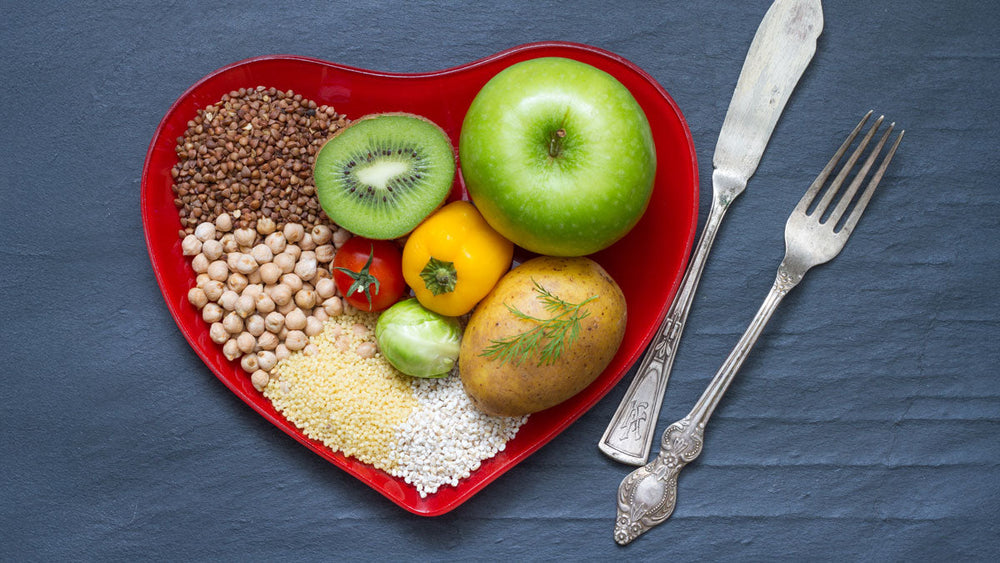
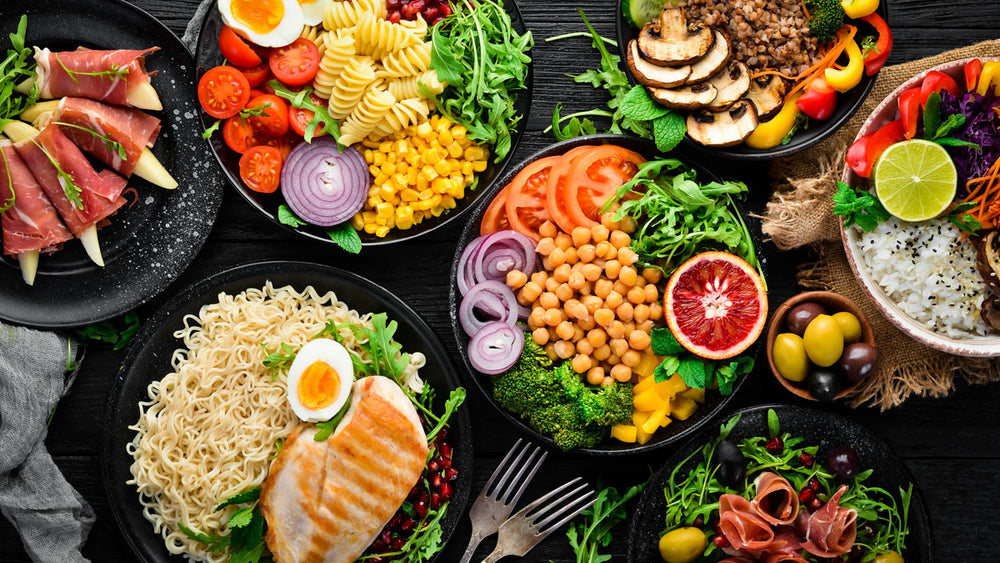
Fiber feeds beneficial bacteria and supports anti-inflammatory compounds. Include vegetables, fruits, legumes, nuts, seeds, and whole grains. Fermented foods, such as yogurt, kefir, and sauerkraut, contain probiotics, while prebiotic foods, including garlic, onions, and bananas, support the growth of healthy bacteria.
The Power of Nitric Oxide: Green Leaves for Heart and Gut
Leafy greens like spinach, kale, arugula, and beet greens are rich in nitrates, which your body converts into nitric oxide (NO). NO helps blood vessels relax, improving circulation and lowering blood pressure. Your gut and oral bacteria play a role in this conversion, highlighting again how diet and microbiome work together to protect your heart. Including these vegetables regularly supports vascular flexibility and overall cardiovascular health.
Limiting Processed Foods and Unhealthy Fats
Highly processed foods, sugar, and trans fats promote dysbiosis and inflammation. Reducing red and processed meat helps lower TMAO levels. Choose plant-based proteins, omega-3-rich fish, and healthy fats like avocado, olive oil, and nuts instead.
Lifestyle Factors: Exercise, Sleep, and Stress
Gut health also responds to lifestyle. Regular exercise enhances microbial diversity, adequate sleep restores gut balance, and stress management reduces systemic inflammation. Even simple mindfulness before meals can improve digestion and your gut-heart connection.
The Future of Heart Health: A Gut-Centric Approach
No two microbiomes are alike, even among individuals who eat the same foods. That's why personalized nutrition, considering your gut composition, genetics, and lifestyle, is essential for heart health. Emerging research suggests that tailoring diets to one's unique microbiome can reduce TMAO production, optimize nitric oxide levels, improve digestion, alleviate constipation, and enhance overall cardiovascular outcomes.
Consulting Professionals for Integrated Care
Suppose you have heart disease, high blood pressure, or metabolic disorders. In that case, consulting professionals who understand the gut-heart connection can be beneficial. Tailored approaches can support your microbiome while improving cardiovascular health, helping you feel better overall.
Conclusion:
Your gut and heart constantly communicate, affecting inflammation, blood pressure, metabolism, and arterial health. Supporting a healthy gut with personalized nutrition, fiber-rich foods, and leafy greens can significantly benefit your heart. Incorporating regular exercise, adequate sleep, and stress management into your lifestyle is also crucial. By making small, informed choices consistently, you can protect your cardiovascular health and improve your overall well-being. It's never too late to start!
-
Bondonno, C. P., Croft, K. D., & Hodgson, J. M. (2016). Dietary Nitrate, Nitric Oxide, and Cardiovascular Health. Critical reviews in food science and nutrition, 56(12), 2036–2052. https://doi.org/10.1080/10408398.2013.811212
-
Maiuolo, J., Carresi, C., Gliozzi, M., Mollace, R., Scarano, F., Scicchitano, M., Macrì, R., Nucera, S., Bosco, F., Oppedisano, F., Ruga, S., Coppoletta, A. R., Guarnieri, L., Cardamone, A., Bava, I., Musolino, V., Paone, S., Palma, E., & Mollace, V. (2022). The Contribution of Gut Microbiota and Endothelial Dysfunction in the Development of Arterial Hypertension in Animal Models and in Humans. International journal of molecular sciences, 23(7), 3698. https://doi.org/10.3390/ijms23073698
-
Masenga, S. K., Hamooya, B., Hangoma, J., Hayumbu, V., Ertuglu, L. A., Ishimwe, J., Rahman, S., Saleem, M., Laffer, C. L., Elijovich, F., & Kirabo, A. (2022). Recent advances in modulation of cardiovascular diseases by the gut microbiota. Journal of human hypertension, 36(11), 952–959. https://doi.org/10.1038/s41371-022-00698-6
-
Mirzababaei, A., Mahmoodi, M., Abaj, F., Barkhidarian, B., Dehghani, A., Khalili, P., Roumi, Z., & Mirzaei, K. (2024). The association of dietary nitrates/nitrites intake and the gut microbial metabolite trimethylamine N-oxide and kynurenine in adults: a population-based study. Frontiers in nutrition, 11, 1346074. https://doi.org/10.3389/fnut.2024.1346074
-
Lau, E., & Shum, T. Y. (2020). The gut microbiome and cardiovascular disease. Circulation Research, 127(12), 1602–1619. https://doi.org/10.1161/CIRCRESAHA.120.316242
-
Rahman, M. M., Islam, F., -Or-Rashid, M. H., Mamun, A. A., Rahaman, M. S., Islam, M. M., Meem, A. F. K., Sutradhar, P. R., Mitra, S., Mimi, A. A., Emran, T. B., Fatimawali, Idroes, R., Tallei, T. E., Ahmed, M., & Cavalu, S. (2022). The Gut Microbiota (Microbiome) in Cardiovascular Disease and Its Therapeutic Regulation. Frontiers in cellular and infection microbiology, 12, 903570. https://doi.org/10.3389/fcimb.2022.903570















 Recipes
 Products
Comments
Join The Conversation...