


Understanding Organ Meats: Nature's Original Multivitamins
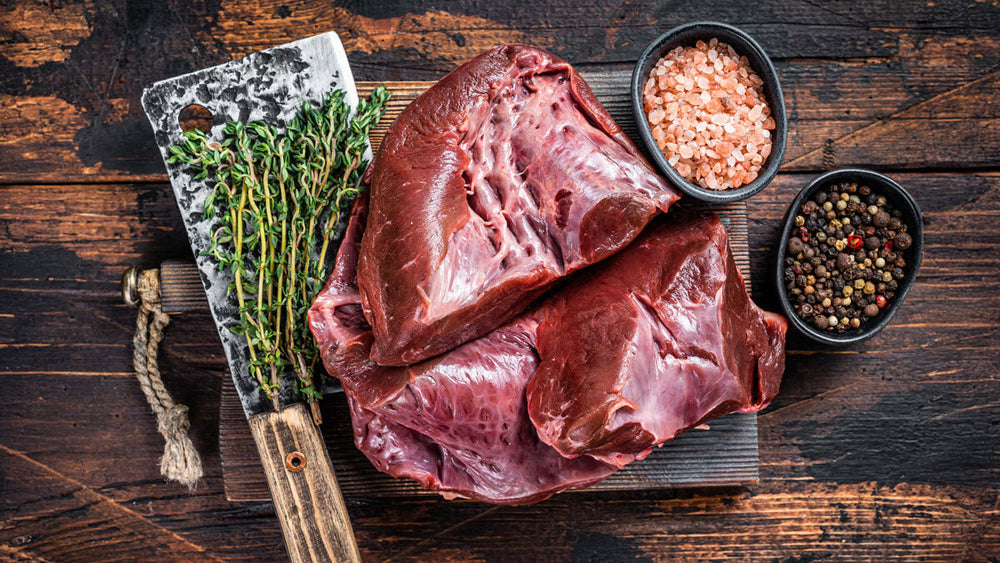
Organ meats, or “offal” in the medical or food science world, refer to the edible internal organs of animals. Liver or bone marrow probably comes to mind first, especially for our state-side readers, and these are both incredibly nutritious options. I will leave my opinions on taste out of this conversation. Cultures around the world (and other adventurous eaters) are also eating animal hearts, kidneys, brains, tongues, lungs, stomachs, spleens, and sometimes blood.
These organ meats are quite distinct from skeletal muscle, not only in their chemical composition but also in their consistency and taste. They are often referred to as ‘Nature’s Multivitamin’ for their dense packing of vitamins, minerals, and electrolytes, on top of healthy fat and rich protein. You may have already sampled the organ meat menu, whether you enjoy a cup of bone broth in the mornings or some pork rind chips in the afternoon. If not, consider this a pitch to start incorporating.
These organ meats are quite distinct from skeletal muscle, not only in their chemical composition but also in their consistency and taste. They are often referred to as ‘Nature’s Multivitamin’ for their dense packing of vitamins, minerals, and electrolytes, on top of healthy fat and rich protein. You may have already sampled the organ meat menu, whether you enjoy a cup of bone broth in the mornings or some pork rind chips in the afternoon. If not, consider this a pitch to start incorporating.
Exceptional Nutritional Benefits of Organ Meats
Let’s talk shop momentarily. The United States Department of Agriculture (USDA) conducted intensive nutrient analyses on organ meats. Let’s break down beef heart, which contains both protein and healthy fat. Within that fat tissue, several micronutrients were found: vitamin A, vitamin D, vitamin E, vitamin K and vitamin K2, cholesterol, calcium, copper, magnesium, manganese, selenium, phosphorus, potassium, sodium, iron, and zinc. This is quite literally a complete vitamin and nutrient source; the tricky part is just convincing yourself to eat it (picky eaters, unite!). This certainly calls for a reconsideration of the phrase ‘what am I, chopped liver?’.
Organ meats can also contain unique nutrient compounds like CoQ10 and choline, micronutrients not often found in other foods but necessary nonetheless. CoQ10 is an important cofactor in metabolic reactions that produce ATP, AKA the energy your body uses (similar to drinking a Celsius, but significantly better). CoQ10 can also act as an antioxidant, neutralizing damaging free radicals in the body. And wouldn’t you know it? Organ meats are among the richest sources of CoQ10.
Choline is also uniquely important, supporting neuromuscular function throughout the body and maintaining normal cellular structure. Organ meats, yet again, are the richest sources of choline. However, if you are not yet convinced to eat animal brain, fret not. Eggs also contain a decent amount of choline (you’d just need to eat, like a lot of eggs).
Choline is also uniquely important, supporting neuromuscular function throughout the body and maintaining normal cellular structure. Organ meats, yet again, are the richest sources of choline. However, if you are not yet convinced to eat animal brain, fret not. Eggs also contain a decent amount of choline (you’d just need to eat, like a lot of eggs).
Considerations and Potential Downsides
The benefits of organ meats are glaringly obvious (highly concentrated nutrients), but what about the risks? Cleveland Clinic asks this very question and offers a general guideline: yes, it is safe to eat organ meats, but in moderation. Specific organ meats, such as kidney and liver, can accumulate toxic elements as well as beneficial ones (think lead and arsenic). Too much of a good thing is still too much. Epidemiological studies indicate that high intakes of organ meats are associated with increased risk of liver disease (NAFLD) and may also be linked to a modestly increased risk of bladder cancer. So what does moderation look like when it comes to pig tongue? Stick to the suggested serving sizes, and, as much as I know you want to, try not to have organ meats for breakfast, lunch, or dinner.
It is also very important to consider where you are sourcing your organ meats. Purchasing organ meats from a USDA-certified seller is recommended to ensure there is no cross-contamination and to prevent foodborne illness. Remember mad cow disease? Also known as bovine spongiform encephalopathy (BSE), this disease can live in the brains or spinal cords of animals, and quickly spread to people when these organs are consumed (especially raw). This infection is deadly, but the Cleveland Clinic assures us the likelihood of getting mad cow disease from U.S. beef is extremely low. Phew! We also need to think about the big picture: what did this animal eat when it was alive, was it free-range, and were antibiotics used? These all play a huge role in the health of the organ meat, as well as the potential for toxic elements.
Making an Informed Choice: Integrating Organ Meats into Your Diet
If you are inclined to start incorporating organ meats into your diet, consider starting small. Grass Roots Farmers Co-Op suggests the following: add chopped liver/kidney/heart to any ground meat mixture (can make hamburgers, casseroles, meatloaf); braise tongue and add to tacos (or soup!); saute heart or cook it over the grill, kabob-style. When it comes to flavor profiles, consider using vinegar to clean the organ meat before cooking to help mellow out some of the intense flavors. If including organ meats in a soup, add onions, wine, butter, garlic, etc., to balance the heavy organ flavors. Looking for some inspiration? Check out Alan Bergo’s website (a James Beard Award-winning chef, by the way) for offal recipes and tips.
So, should you be eating organ meats? This selective eater will stick to a daily oral multivitamin, thank you very much.
References
1Fuerniss, H. F., Gifford, C. L., Mortensen, E. G., Belk, K. E., Engle, T. E., & Woerner, D. R. (2024). Nutrient Analysis of Raw United States Beef Offal Items. Nutrients, 16(18), 3104. https://doi.org/10.3390/nu16183104
2Cleveland Clinic. (2022, August 4). Benefits and risks of Organ Meat. Cleveland Clinic. https://health.clevelandclinic.org/organ-meat-benefits
3Dianatinasab, M., Wesselius, A., de Loeij, T., Salehi-Abargouei, A., Yu, E. Y. W., Fararouei, M., Brinkman, M., van den Brandt, P., White, E., Weiderpass, E., Le Calvez-Kelm, F., Gunter, M. J., Huybrechts, I., Liedberg, F., Skeie, G., Tjonneland, A., Riboli, E., & Zeegers, M. P. (2021). The association between meat and fish consumption and bladder cancer risk: a pooled analysis of 11 cohort studies. European Journal of Epidemiology. https://pubmed.ncbi.nlm.nih.gov/34036467/
4Grassroots Scoop. (n.d.). Using organ meats in your kitchen with nutritionist Torie Borrelli: Nourishing liver pate recipe. https://grassrootscoop.com/blogs/recipes/using-organ-meats-in-your-kitchen-with-nutritionist-torie-borrelli-nourishing-liver-pate-recipe
5Forager Chef. (n.d.). Offal. https://foragerchef.com/category/carnivore/offal/















 Recipes
 Products

Comments
Join The Conversation...