



Native Foods and Gut Health: How Traditional Diets Support a Strong Microbiome
The Power of Native Foods: A Historical Perspective on Gut Health
A traditional native diet consists of whole foods rich in fiber, lean protein, and healthy fats. Because of the simplicity and nourishment that these diets provide, historically, people had lower rates of chronic diseases like diabetes, obesity, and heart disease; westernized diets and lifestyles typically bring that on. The native diet’s cornerstones are corn, beans, and squash, with the addition of lean meats and fish.
The indigenous peoples of America's food supply were rooted in the belief that food is more than just nourishment; it can also impact emotional, spiritual, and mental health. They had the original “functional diet”. Because these foods were consumed in their unprocessed form, they offered many health benefits.
Key Native Foods and Their Gut-Supporting Properties
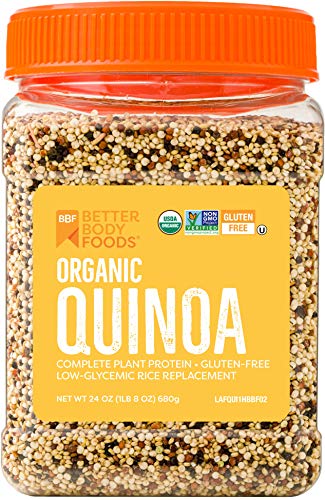
Native people consumed large quantities of wild berries, corn-based fermented foods, whole grains such as wild rice and quinoa, legumes, and root vegetables. These plant foods provide excellent sources of fiber, antioxidants, and gut-healthy properties, including prebiotic fiber and probiotics. Additionally, these crops were easy to find and grow, making them a perfect staple for their diet.
In addition to these fiber-rich foods, other native foods such as wild leeks, garlic, prairie turnips, and echinacea were consumed. These foods also provide a large number of anti-inflammatory compounds, such as polyphenols and antioxidants, which are effective at targeting inflammation. Some of these foods were used medicinally in addition to being consumed as part of their daily diet.
All of these foods are important for cultivating a healthy, diverse gut microbiome.
Functional Ingredients in Native Foods: Benefits for Your Gut
There is a range of benefits from consuming prebiotic fibers, polyphenols, and antioxidants in the foods of the native diet. First, they feed healthy gut bacteria and help to limit the growth of harmful bacteria. They enhance immune function by reducing inflammation and promoting the removal of inflammatory by-products. They also strengthen the gut barrier, which helps to limit the translocation of pathogenic bacteria to the rest of the body. All of this will eventually impact overall inflammation and reduce the risk of developing chronic diseases like type 2 diabetes and heart disease.
Integrating Native Foods for a Healthier Gut
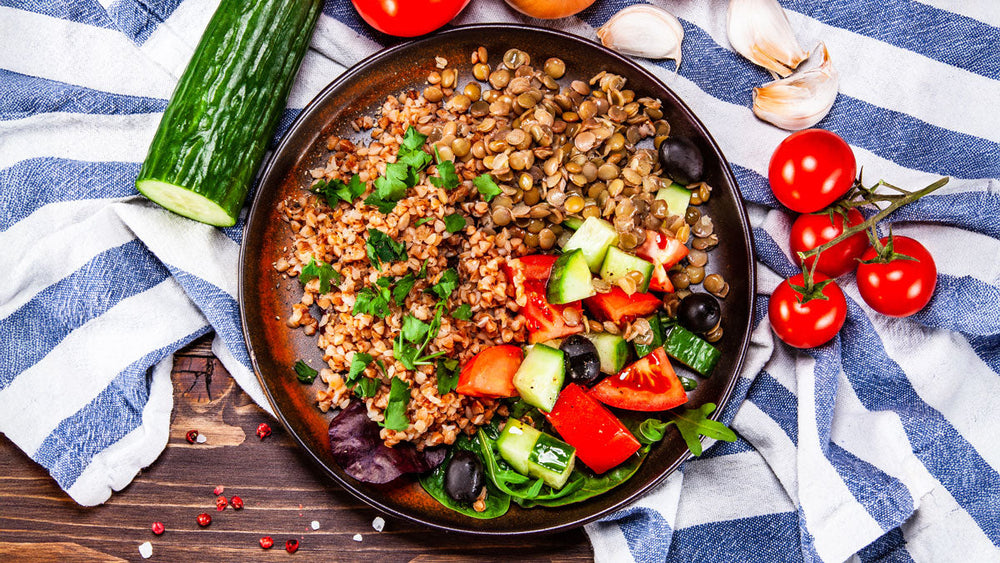
You can incorporate these foods into your diet now. Consuming a plant-based diet focused on non-starchy vegetables, whole grains, and lean proteins is highly recommended to help limit the development of diseases. Next time you’re out at the grocery store, look for the options provided. You can find a variety of beans, grains, and produce at the grocery store. You may also find some of these foods at local farmers' markets or stands. Check out local butchers to see their selection of wild game.
Food is medicine. Having this mindset will motivate you to fuel your body with foods that protect and nourish it. If you need further assistance brainstorming ways to incorporate new foods, talk to a registered dietitian.
FAQs
What are native foods?
Native foods are plants, animals, and other food sources that originate from and have traditionally been cultivated, harvested, or consumed within a specific region or by Indigenous peoples. These foods often reflect generations of ecological knowledge and cultural practices that support sustainable food systems and dietary diversity.
How can native foods support gut health?
Many native foods are naturally rich in dietary fiber, resistant starch, polyphenols, and other compounds that can help nourish beneficial gut bacteria. Examples may include beans, wild berries, squash, nuts, seeds, and traditional grains. A diverse diet that includes a variety of plant foods is associated with greater microbial diversity and overall gut health.
Are traditional Indigenous diets healthier than modern diets?
Traditional dietary patterns often emphasize minimally processed foods, seasonal eating, and a diverse range of plant and animal foods. While no single diet is ideal for everyone, research suggests that diets rich in whole foods and lower in ultra-processed foods may support better digestive and overall health. Individual nutritional needs, however, vary based on age, health status, and lifestyle.
Do I need specialty ingredients to incorporate native foods into my diet?
Not necessarily. Many native foods are commonly available in grocery stores, farmers' markets, and community-supported agriculture programs. Foods such as beans, corn, squash, berries, and certain nuts and seeds can be simple ways to incorporate traditional ingredients into everyday meals while increasing dietary variety.
Can eating native foods improve my gut microbiome?
No single food can transform the gut microbiome on its own. However, regularly consuming a variety of fiber-rich, minimally processed foods—including traditional and native foods—may help support a healthy and diverse microbiome over time. Gut health is influenced by many factors, including diet, physical activity, sleep, stress management, and medication use.
Why is preserving traditional food knowledge important?
Traditional food practices often contain valuable information about sustainable agriculture, biodiversity, food preparation, and nutrition. Preserving this knowledge helps protect cultural heritage while also offering insights into dietary patterns that may support health and environmental stewardship for future generations.
References
1Sarkar, D., Walker-Swaney, J., & Shetty, K. (2020). Food Diversity and Indigenous Food Systems to Combat Diet-Linked Chronic Diseases. *Current Developments in Nutrition*. https://doi.org/10.1093/cdn/nzz099
2Wang, X., Qi, Y., & Zheng, H. (2022). Dietary Polyphenol, Gut Microbiota, and Health Benefits. https://doi.org/10.3390/antiox11061212











 Recipes
 Products
Comments
Join The Conversation...