


The Many Options for Eggs in Cooking and Baking
There comes a time in every chef or baker’s kitchen journey when you find yourself needing an egg substitute. Perhaps you are cooking for someone with an egg allergy or plant-based diet preferences, or perhaps you simply dropped and cracked the last egg. Luckily for you, there is no shortage of options!
Understanding Eggs as Binders, Leaveners, and Moisturizers
Before you pick your substitute, it’s crucial to understand the role the egg plays in the dish you are preparing. Eggs can act as leaveners, binders, or moisturizers.
Leavening is a process used in baking that makes the dough or batter softer and lighter by producing gas bubbles that expand the mixture. Eggs facilitate this process by trapping air when egg whites are beaten, forming gas bubbles, or by creating steam that causes air cells and, consequently, the dough to rise.
Binders in cooking are exactly as the term suggests: they are ingredients that hold other ingredients together to maintain a food’s structure and texture. The protein in eggs makes them excellent binders in dishes like meat patties, pancake batter, and certain sauces.
Humectancy is the fancy term that refers to the moisture of a food product. Eggs enhance a baked good’s humectancy by binding to water, trapping moisture in the final product, and preventing drying.
Substitutions for Sweet and Savory Dishes
Once you understand the role of the egg, you can pick a suitable alternative. Let’s look at options for baked goods and cooked foods.
Top Egg Alternatives for Baked Goods
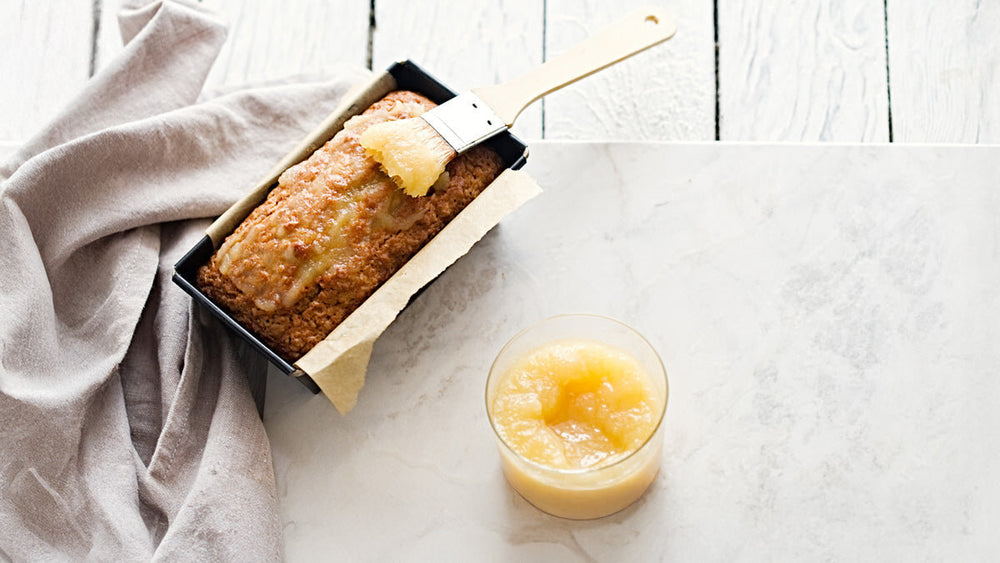
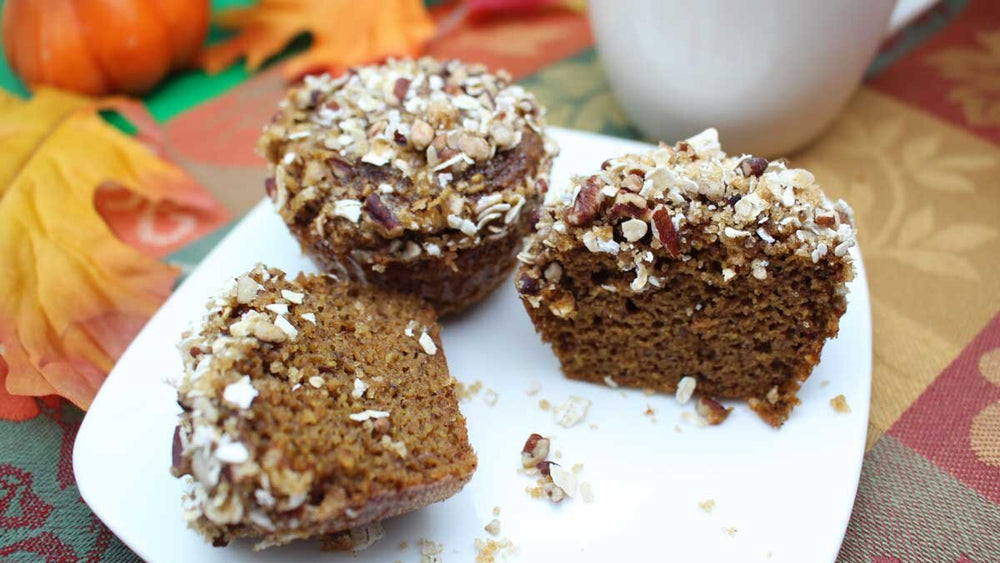
Fruit Purées: Applesauce, Mashed Banana, Pumpkin: Fruit purees make for great binders and humectants. Choosing a fruit puree depends on the dish's flavor profile and what you have on hand. It is important to note that adding fruit will enhance the sweetness of your baked goods, so you may wish to adjust the amount of added sugar accordingly.
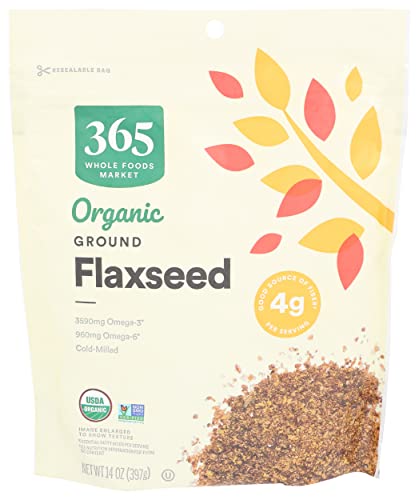
Flax and Chia Seed "Eggs": For recipes that specifically call for egg whites, you can create your own “egg” using flax or chia seeds. Simply combine 1 Tablespoon of the seed of your choice with 3 Tablespoons of water. This will form a gel-like consistency that can now be used in your product as a binder.
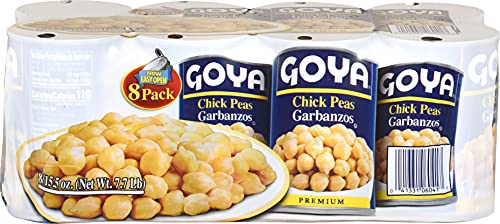
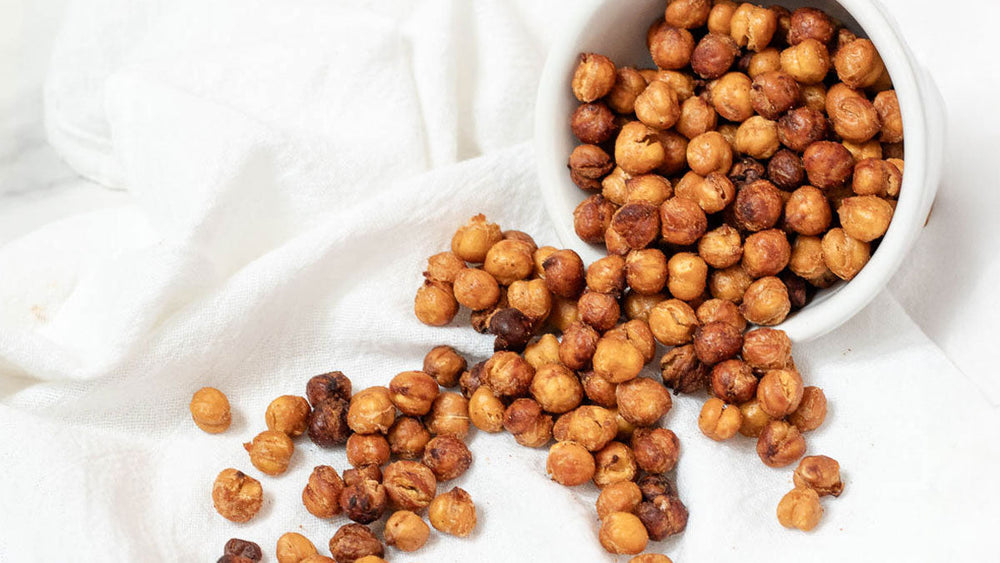
Aquafaba: Another egg white substitute is aquafaba, which is the liquid that remains after soaking or cooking chickpeas. It can be used in desserts that have a meringue-like texture. When left unwhipped, it can act as a binder. When whipped, it can be used as a leavener.
Choices for Cooking and Savory Dishes
Starches and Flours: Chickpea flour, cornstarch, and potato starch can be combined with water to form a slurry. The ratio is the same as the chia seed “egg”: 3 tablespoons of water to 1 tablespoon of flour or starch. This makes for a great binding agent in meat products, sauces, or gravies.
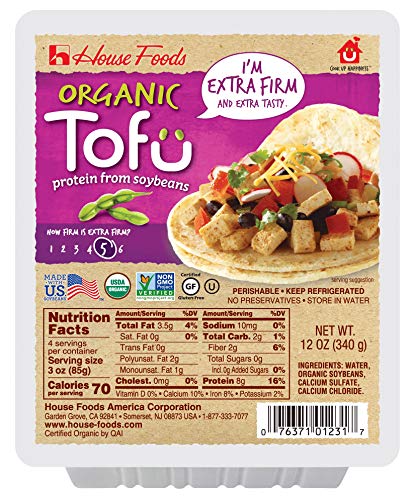
Silken tofu: Due to its mild taste and ability to blend, it is a great option for adding moisture, thickness, and structure to recipes. It works especially well in patties, sauces, and creams, and can also be used in some baked goods, such as pies.
Arrowroot powder: A lesser-known option for making a slurry. It does not have a strong flavor and helps create a smooth texture in your finished product.
Have you had any luck experimenting with egg substitutes? Tell us your egg-substitute successes (or failures!) in the comments below so we can learn from one another. Let’s get cracking!
FAQs
What is the best substitute for eggs in baking?
The best egg substitute depends on the role the egg plays in the recipe. Applesauce, mashed banana, pumpkin purée, flaxseed "eggs," chia seed "eggs," and aquafaba can all work well in baked goods. Some substitutes provide moisture and binding, while others are better suited for leavening or creating a light texture.
Can I replace eggs in any recipe?
Not always. Egg substitutes tend to work best in recipes where eggs primarily provide moisture or binding. Recipes that rely heavily on eggs for structure, such as angel food cake, soufflés, or certain custards, may be more difficult to adapt successfully. Results can vary depending on the substitute used and the recipe itself.
Are egg substitutes healthier than eggs?
Not necessarily. Eggs provide high-quality protein, vitamins, minerals, and other nutrients. Some egg substitutes, such as fruit purées, may add fiber and certain vitamins, while others primarily serve a functional role in cooking. The healthiest option depends on your nutritional needs, dietary preferences, and the specific recipe.
What can I use as an egg substitute if I have an egg allergy?
Many egg alternatives can be used by individuals with egg allergies, including applesauce, mashed banana, flaxseed, chia seeds, aquafaba, silken tofu, and certain starch-based mixtures. However, it is important to review all ingredient labels carefully and consult an allergist or healthcare professional if you have concerns about food allergies or cross-contact.
Is aquafaba safe to use?
Yes. Aquafaba, the liquid from cooked or canned chickpeas, is generally safe to use in cooking and baking. It is commonly used as an egg white substitute in vegan recipes because it can be whipped into a foam for applications such as meringues, mousses, and baked goods.
Do egg substitutes change the taste or texture of recipes?
They can. Fruit-based substitutes may add sweetness and moisture, while flaxseed and chia seed "eggs" can contribute a slightly nutty flavor. Aquafaba tends to have a neutral flavor when incorporated into recipes. Because each substitute behaves differently, some experimentation may be needed to achieve the desired texture and taste.












 Recipes
 Products

Comments
Join The Conversation...