


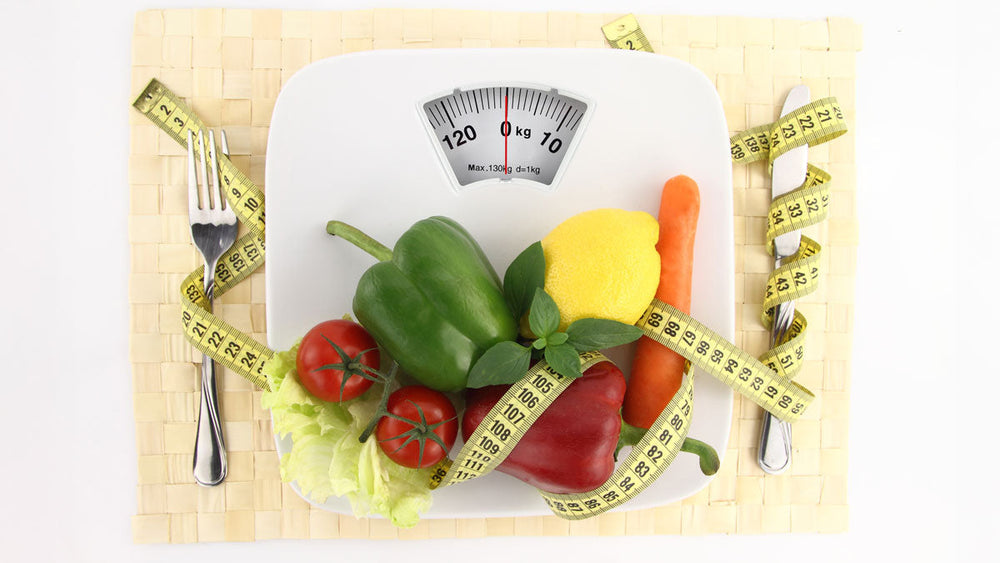
Understanding Body Weight Metrics in Nutrition: ABW, IBW & AdjBW Explained
Have you ever tried to estimate your nutritional needs and been frustrated that every attempt yielded different results? Perhaps you consulted an online calculator, a health professional, or even calculated it yourself. A reason for the discrepancies could be that each calculation is using a different body weight metric.
Common Uses of Body Weight in Dietary Planning
Body weight, along with other factors such as age, sex, physical activity, and health history, is used to estimate calorie and macronutrient intake. Calorie counting is most often used for weight management. Reasons for tracking macronutrients may include carbohydrate counting for diabetes management, protein tracking for muscle-building or wound-healing goals, or limiting fat for gastrointestinal conditions such as gastroparesis.
Using accurate measurements to set these goals is important. For example, if you underestimate how many calories you need to gain weight by 500 calories/day, that could slow weight gain by about 1 pound per week. Alternatively, if you excessively estimate how much fat a person should consume on a low-fat diet, they may experience unpleasant gastrointestinal symptoms, such as diarrhea or abdominal pain.
Exploring Different Body Weight Calculations
There are three primary body weights used: actual body weight, ideal body weight, and adjusted body weight.
Actual Body Weight (ABW): The Simple Starting Point
ABW is the number you see when you step on the scale. When someone references their weight, this typically refers to the weight that is most commonly used for calculating nutritional needs. However, if a person falls into the overweight or obese BMI category, ABW tends to overestimate their needs.
Ideal Body Weight (IBW): A Target for Healthy Range
IBW is the suggested optimal weight for a person based on their height and gender. This is often used to estimate calorie and nutrient needs for individuals who are underweight and require weight gain or nutrient repletion. It is also sometimes used for patients who are overweight or obese. One method of calculating IBW is:
Males: 110 pounds + 5 pounds for every inch above 5 feet tall
Females: 100 pounds + 5 pounds above 5 feet tall
Adjusted Body Weight (AdjBW): For Individuals with Obesity
AdjBW is a weight used in patients who are overweight or obese. It is also used for amputees, in chronic kidney disease, or for fluid retention. I think of this as a “happy medium” between an IBW and ABW to not under- or overestimate needs by considering excess body fat or fluids. The formula is as follows:
AdjBW= IBW + 0.4 x (ABW-IBW)
Which Measurement is Right for You?
The first step in determining which measurement is right for you may be to look at your BMI status. If you are underweight, consider using the IBW. If you are overweight or obese, try the AdjBW method. If you fall in or along the lines of the normal body weight category based on the BMI scale, consider using ABW. Please note that the BMI method is not always 100% accurate and does not provide a good reflection of fat versus muscle mass. Therefore, use your own judgment and critical thinking to assess your body composition.
If you feel overwhelmed calculating your energy needs, consider consulting a registered dietitian nutritionist (RDN). A RDN is specially trained in calculating nutritional needs based on all these nuanced factors, including even the most complex medical histories, to help you reach your health goals. If you choose to use an online calculator instead, please note that it will have limitations, as it cannot personalize your data. If given the option, be sure to include your physical activity level, including exercise and any additional daily activities. In my professional experience, calorie-tracking apps tend to underestimate energy needs.
There is no one-size-fits-all diet, so we can’t expect there to be a one-size-fits-all way of calculating dietary needs. Remember, nutrition estimates are just that: an estimate. Listen to your body, including your hunger and fullness cues, as well as your energy levels, to guide you on what your body needs to feel fueled and strong.
-
Lahner, C. R. (2018). Adult weight measurement: decoding the terminology used in literature. South African Journal of Clinical Nutrition, 32(2), 28–31. https://doi.org/10.1080/16070658.2018.1426186
















 Recipes
 Products

Comments
Join The Conversation...