


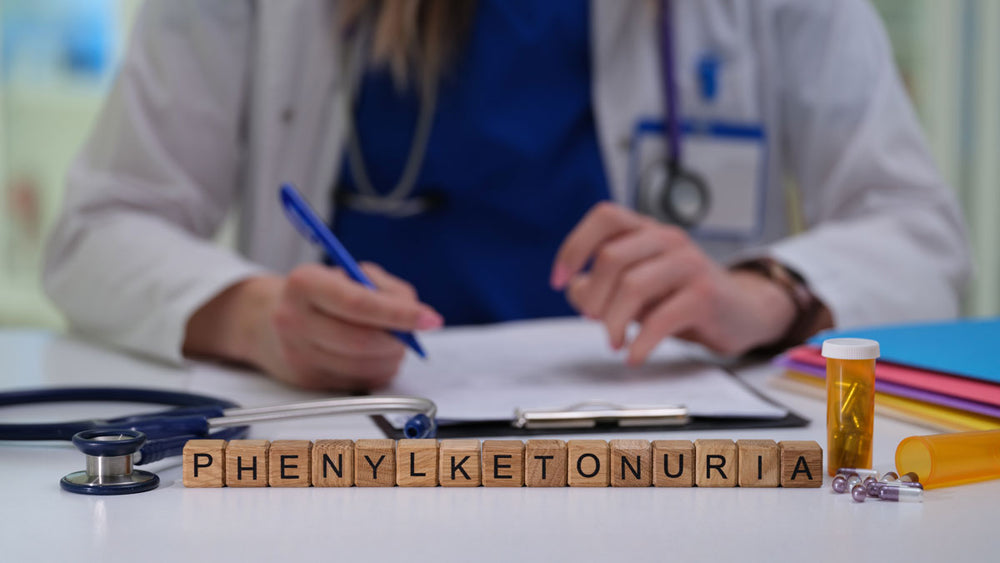
What is Phenylketonuria (PKU)? An Overview
PKU is a rare inherited genetic condition that affects approximately 1 in every 25,000 people in the United States. PKU occurs when a child inherits two faulty genes —one from each parent —that affect the body's ability to produce the enzyme phenylalanine hydroxylase (PAH). Phenylalanine hydroxylase is necessary to break down phenylalanine, an amino acid found in many foods. Without enough PAH, phenylalanine accumulates in the blood and brain, leading to potentially toxic effects, such as developmental delays and intellectual disabilities, if not managed through treatment.
Diagnosis of PKU
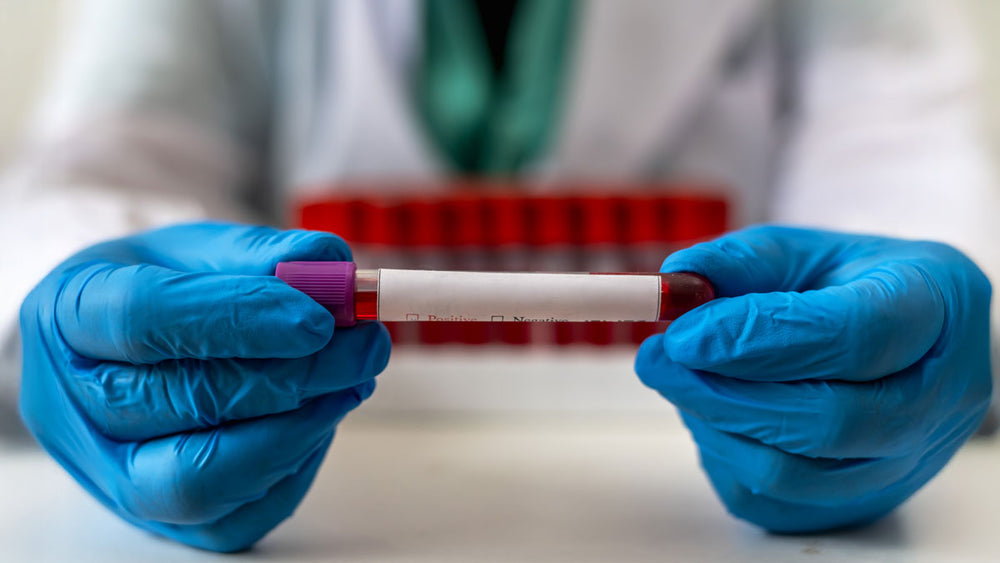
Babies born with PKU typically appear healthy at birth, making early detection through newborn screening essential. Newborn screening has been a standard part of U.S. healthcare for over 50 years, originating in the 1960s when Dr. Robert Guthrie developed the first blood test for PKU. During a newborn screening, your baby's healthcare provider will take a sample of blood from your baby’s heel by poking it with a small needle.
Early identification of PKU enables prompt care, treatment, and intervention, which are critical for preventing long-term complications. Without proper treatment, developmental delays are often the first major symptom of undiagnosed PKU, typically appearing within the first three to six months of life. By one year of age, additional symptoms may develop, including a musty odor in the breath, sweat, or urine; changes in skin, hair, and eye pigmentation; eczema; growth delays; tremors; nausea and vomiting; behavioral problems; hyperactivity; learning disabilities; and seizures.
Living with PKU: Dietary Challenges and Medical Foods
Although there is currently no cure for PKU, effective treatment can prevent symptoms and serious complications. Lifelong management is essential, involving medications (if prescribed by your doctor) and a carefully planned diet that restricts foods containing phenylalanine. Protein is the primary source of phenylalanine, but it is also vital for normal growth and development, so achieving the right nutritional balance is key. Collaborating with a registered dietitian can help ensure that dietary needs are met while minimizing health risks.
The safe amount of phenylalanine varies for each person, making regular blood PHE testing essential to ensure dietary management is effective for people with PKU.
Foods that are not allowed in phenylalanine-restricted diets include:
-
Cheese and dairy
-
Nuts, seeds, dried beans and peas, peanut butter
-
Eggs, poultry, meat, fish, and other seafood
Foods containing aspartame should be limited or avoided altogether, as they release phenylalanine during digestion and, in turn, raise the body's phenylalanine levels.
Foods that are allowed in phenylalanine-restricted diets, but require monitoring and measuring/weighing according to dietary recommendations provided by a registered dietitian, include:
-
Bread, crackers, potato chips, popcorn
-
Fruit, vegetables, and fruit and vegetable juices
-
Special low-protein foods and low-protein cereals
Because PKU diets may not provide complete nutrition, it is crucial to include specialized formulas and medical foods to meet essential nutrient needs. These products are free of phenylalanine and are often supplemented with tyrosine. Some are nutritionally complete, providing proteins (such as L-amino acids), carbohydrates, fats, and vitamins/minerals. In contrast, others may not be nutritionally complete and may lack carbohydrates, fats, and vitamins/minerals.
Products that are nutritionally complete include:
-
Phenyl-free 2 and Phenyl-free 2 HP by Mead Johnson
-
Phenex 2 by Abbott Laboratories
Nutricia makes products that contain essential amino acids, but are not nutritionally complete, and include:
-
XPHE Maxamum - contains carbohydrates, vitamins, and minerals - no fat
-
PHlexy-10 system - does not contain fat, vitamins, or minerals
When managing PKU, it’s essential to consult your healthcare provider to ensure your diet is tailored to your specific needs. If you’re a phenylketonuric, drop your tips and tricks in the comments below!
-
About newborn screening. About Newborn Screening | Newborn Screening. (n.d.). https://newbornscreening.hrsa.gov/about-newborn-screening
-
About PKU. NPKUA. (2024, July 15). https://www.npkua.org/about-pku/
-
What is phenylketonuria (PKU)?. Cleveland Clinic. (2025, October 13). https://my.clevelandclinic.org/health/diseases/17816-phenylketonuria
-
U.S. Department of Health and Human Services. (n.d.). What are common treatments for phenylketonuria (PKU)?. Eunice Kennedy Shriver National Institute of Child Health and Human Development. https://www.nichd.nih.gov/health/topics/pku/conditioninfo/treatments














 Recipes
 Products

Comments
Join The Conversation...