



Digesting Details of GERD and Heartburn
While many people have likely experienced a little heartburn after Mexican food or eating something really spicy, how do you know if it might be acid reflux or GERD, otherwise known as Gastroesophageal Reflux Disease? And is there really a difference?
What is GERD?
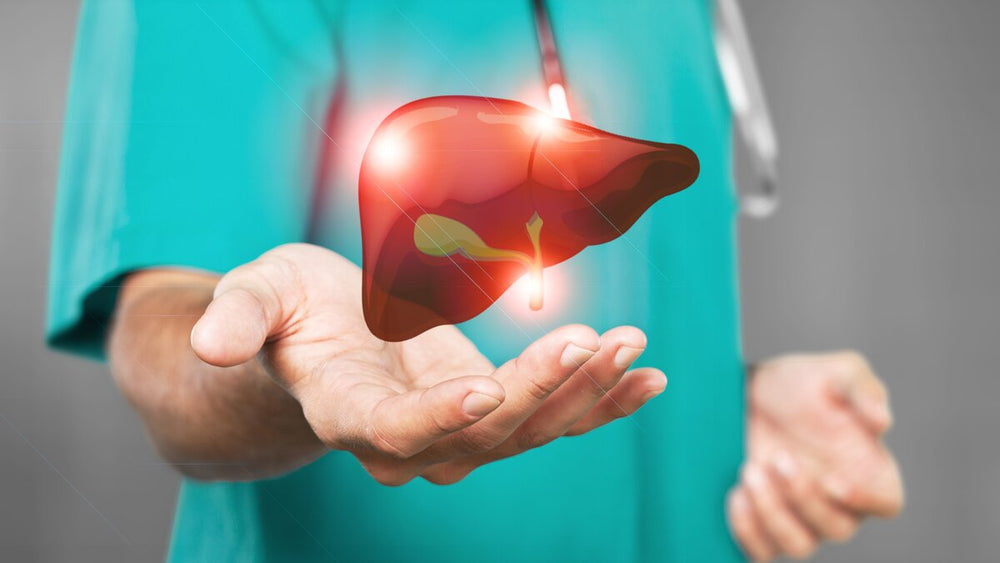
GERD is known as chronic acid reflux, meaning that it occurs twice a week or on a more regular basis. It is considered more of a persistent condition affecting the digestive system than just the “average” heartburn here and there.
GERD occurs when the contents of your stomach wash back up into your esophagus, throat, and mouth. To give you a little science lesson, at the entrance of your stomach, there is a valve, which is a ring of muscle called the lower esophageal sphincter (LES). Typically, when you eat, the LES closes immediately; this helps keep food in your stomach.
However, if the valve doesn’t close all the way or opens too often, the acid produced in your stomach can move up into your esophagus. When this happens, people experience burning in their chests or heartburn.
What are the symptoms of GERD?
Many people start to think about GERD when they experience heartburn on a regular basis. It is the uncomfortable burning feeling that radiates in your chest and can even move up into your neck. You may notice it through bloating or burping. Others might notice symptoms of GERD, such as a sour or bitter taste in their mouth. And for some, GERD presents with regurgitation of food or fluid from the stomach into their mouth. It can often cause difficulty swallowing, a persistent cough, laryngitis, and new or worsening asthma.
Interestingly, not everyone experiences digestive problems. Your dentist might be the first to identify GERD by observing damage to your tooth enamel. This may indicate that stomach acid is entering your mouth and gradually wearing away your tooth enamel.
What causes GERD?
GERD affects about 20% of the population, according to the National Institute of Diabetes and Digestive and Kidney Diseases. So, what causes it? There are a variety of factors that can contribute to GERD and symptoms of acid reflux.
Some include:
- Overeating, especially at one sitting
- Lying down right after a big meal
- Eating close to bedtime
- Being overweight or obese
- Pregnancy
- Smoking or regularly inhaling secondhand smoke
Some medications can also contribute to or exacerbate the symptoms of GERD:
- Anti-inflammatories
- Alpha-blockers
- Sedatives
- Nitrates
Certain foods and beverages can also trigger GERD. These include, but are not limited to:
- High-fat foods
- Citrus foods
- Chocolate
- Carbonated beverages
- Coffee and tea
- Alcoholic beverages
Then, for some, GERD can be caused by a hiatal hernia. This is when the opening of your diaphragm allows the upper part of your stomach to move up into your chest. Normally, the diaphragm helps keep acid in your stomach, but a hiatal hernia can cause it to move into your esophagus and induce heartburn symptoms.
If symptoms worsen, it is important to see your physician, but for many, lifestyle changes can help control and even improve GERD symptoms. Several effective changes include eating a low-fat diet, avoiding overeating, limiting alcohol, and even sleeping with your head elevated.
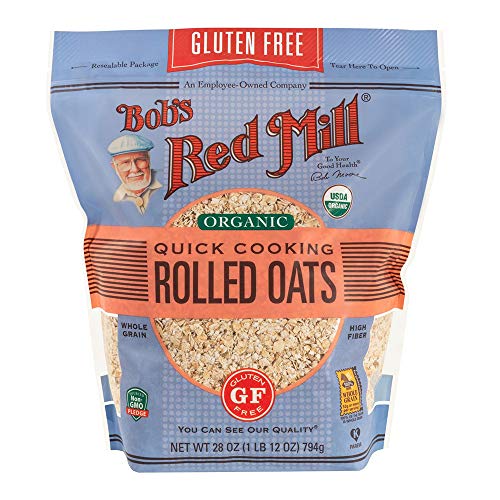
One recommended dietary change is to increase your fiber intake, and oats are a great way to do that. They can be eaten as oatmeal or Overnight Oats, made into different types of bread and protein cookies, and used as a base for granola.
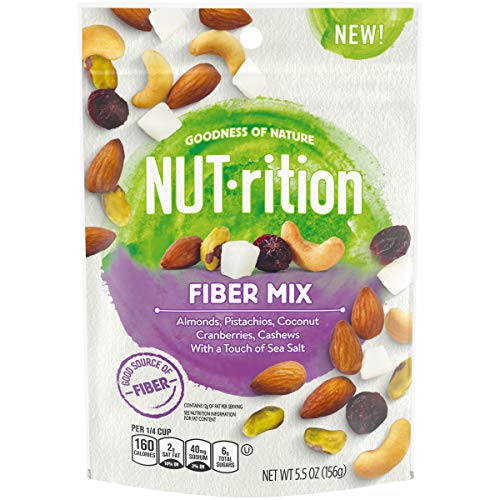
Check out MUSH – a cold overnight oats product you can purchase pre-made; no prep required. And if you are looking for a way to add fiber to your snacks, try Alyssa’s Healthy Oatmeal Bites/Vegan Bites. Packed with 10 grams of fiber per serving, these may help alleviate GERD symptoms.
Be on the lookout for more foods, tips, and tricks to help you identify, combat, and manage GERD!
FAQs
What is the difference between heartburn and GERD?
Heartburn is a symptom characterized by a burning sensation in the chest, often occurring after eating certain foods or large meals. GERD (gastroesophageal reflux disease) is a chronic condition in which stomach contents repeatedly flow back into the esophagus, causing symptoms such as frequent heartburn, regurgitation, and throat irritation. In general, experiencing reflux symptoms two or more times per week may suggest GERD.
Can GERD cause symptoms other than heartburn?
Yes. While heartburn is the most recognized symptom, GERD can also cause regurgitation, a sour or bitter taste in the mouth, difficulty swallowing, chronic cough, hoarseness, sore throat, asthma-like symptoms, and even dental enamel erosion. Some people may experience these symptoms without significant heartburn.
What foods are most likely to trigger GERD symptoms?
Common GERD triggers include high-fat foods, chocolate, coffee, tea, alcohol, carbonated beverages, and citrus fruits. However, trigger foods vary from person to person. Keeping a food and symptom journal can help identify individual triggers and guide dietary modifications.
Can increasing fiber intake help with GERD?
Some research suggests that higher fiber intake may support digestive health and help reduce reflux symptoms in certain individuals. Fiber-rich foods such as oats, fruits, vegetables, legumes, and whole grains may promote satiety and support healthy digestion. However, increasing fiber intake should be part of an overall GERD management plan rather than a standalone treatment.
When should I see a healthcare provider about reflux symptoms?
You should consult a healthcare provider if reflux symptoms occur frequently, worsen over time, interfere with daily activities, or are accompanied by warning signs such as difficulty swallowing, unexplained weight loss, persistent vomiting, chest pain, or gastrointestinal bleeding. Early evaluation can help identify GERD and rule out other conditions that may cause similar symptoms.
References
1Update on the epidemiology of gastro-oesophageal reflux disease: a systematic review. (n.d.). https://pubmed.ncbi.nlm.nih.gov/23853213/
2National Institute of Diabetes and Digestive and Kidney Diseases. (n.d.). Symptoms & Causes of GER & GERD - NIDDK. Retrieved from https://www.niddk.nih.gov/health-information/digestive-diseases/acid-reflux-ger-gerd-adults/symptoms-causes















 Recipes
 Products

Comments
Join The Conversation...