


Alcohol and Acid Reflux: What to Know and How to Make Better Choices
Alcohol Is a Common Trigger for Acid Reflux
Alcohol is a well-known trigger for acid reflux, but like many aspects of GERD, it does not affect everyone in the same way.
We’ve talked about how both alcohol and carbonated beverages can contribute to gastrointestinal discomfort and reflux. This can happen through several mechanisms, including:
- Increased stomach acidity
- Relaxation of the lower esophageal sphincter (LES), which allows acid to rise into the esophagus
- Increased abdominal pressure from carbonation
That said, not everyone will experience symptoms in the same way. Managing GERD is often about identifying your personal triggers and understanding how your body responds.
As a dietitian, I always encourage a balanced approach—one that focuses on awareness and moderation rather than complete restriction whenever possible.
Know Your Limits
Moderate alcohol intake has been associated with some health benefits in certain populations. However, exceeding recommended amounts is associated with adverse health outcomes, including worsening reflux symptoms.
So, what does “moderate” actually mean?
- Women: Up to 1 alcoholic beverage per day
- Men: Up to 2 alcoholic beverages per day
If you choose to drink alcohol, moderation is important. Current recommendations suggest limiting intake to no more than three drinks per day, with weekly limits of seven drinks for women and men over 65, and 14 drinks for men under 65. Because alcohol can be a trigger for GERD symptoms, some individuals may benefit from consuming even less.
What Counts as One Drink?
- 12 oz beer
- 5 oz wine
- 1.5 oz distilled spirits (80 proof)
For individuals with GERD, staying within or even below these limits may help reduce the likelihood of symptoms.
Alcohol-Free Options: A Practical Alternative
Choosing not to drink alcohol can sometimes feel like a social challenge—but it doesn’t have to be.
I’ve been in situations where not drinking prompted questions like, “Are you pregnant?”—and honestly, it doesn’t need to be a big deal. Choosing what works for your body should always be respected.
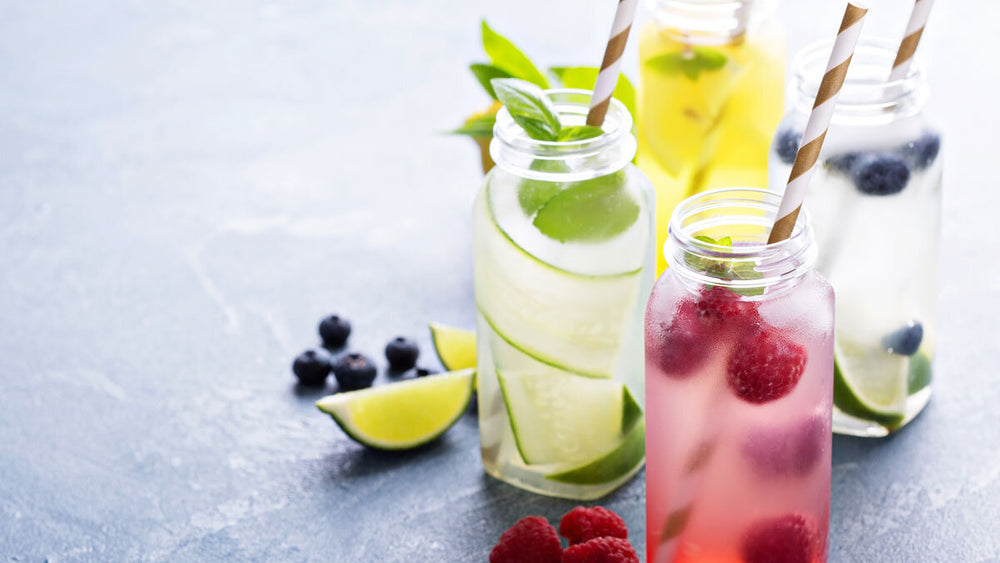
If you enjoy the experience of a drink but want to avoid the potential trigger, non-alcoholic options have come a long way.
I personally tried a non-alcoholic chardonnay from St. Regis, and it was surprisingly close to the real thing. It had the aroma and mouthfeel of traditional wine, just without the alcohol “burn” after swallowing. It’s a great option for those who want the experience without the risk of reflux.
How Different Drinks Affect GERD
Not all alcoholic beverages affect reflux the same way. In many cases, it’s not just the alcohol—it’s the additional ingredients that can make symptoms worse.
More Likely to Trigger Symptoms:
- Citrus-based cocktails (margaritas, daiquiris, screwdrivers)
- Drinks with chocolate, coffee, or peppermint (mudslides, espresso martinis, peppermint cocktails)
- Carbonated alcoholic beverages (beer, sparkling wine, mixers)
These ingredients can increase acidity or relax the LES, making reflux more likely.
Lower-Irritation Alcohol Options
- Spirits like gin, tequila, and non-grain vodkas (e.g., potato vodka) tend to be lower in acidity
- Wine is generally more acidic than beer, and sweeter wines may be more irritating
- Beer may contribute to bloating and pressure due to carbonation
Keep in mind—tolerance varies widely, so it’s important to pay attention to how your body responds.
Simple Tips to Reduce Reflux When Drinking
If you do choose to drink, a few small strategies may help minimize symptoms:
- Avoid drinking on an empty stomach
- Limit portion sizes and pace your intake
- Choose lower-acid, non-citrus options when possible
- Alternate alcoholic beverages with water
- Avoid lying down soon after drinking
Hydration is especially important—not just for preventing hangovers, but also for supporting overall digestion.
Final Thoughts
Alcohol can be a trigger for acid reflux, but it doesn’t have to be an all-or-nothing situation for everyone.
Understanding how different beverages affect your body—and making small, intentional choices—can help you enjoy social situations while still managing your symptoms.
As always, the goal is not perfection, but awareness and balance.
FAQs
Do all alcoholic beverages trigger acid reflux?
Not necessarily. Alcohol affects individuals differently, and some people may tolerate certain beverages better than others. Factors such as alcohol content, carbonation, acidity, serving size, and additional ingredients (such as citrus juices or coffee liqueurs) can all influence whether symptoms occur.
Are non-alcoholic beverages a good option for people with GERD?
For many individuals, yes. Non-alcoholic wines, beers, and mocktails may allow people to participate in social occasions while avoiding one potential reflux trigger. However, some alcohol-free beverages may still contain carbonation, citrus, caffeine, or other ingredients that can trigger symptoms, so it's important to check labels and monitor your individual tolerance.
What can I do to reduce reflux symptoms if I choose to drink alcohol?
A few strategies may help reduce the likelihood of symptoms, including drinking in moderation, avoiding alcohol on an empty stomach, alternating alcoholic beverages with water, limiting highly acidic or carbonated drinks, and remaining upright for several hours after drinking. Because trigger patterns vary, keeping track of which beverages affect you can be helpful.
Is wine or beer better for GERD?
There is no universal answer. Wine tends to be more acidic, while beer contains carbonation that may increase bloating and abdominal pressure. Some individuals tolerate one better than the other, while others find that both trigger symptoms. Paying attention to your personal response is often the most effective approach.
Should I completely avoid alcohol if I have GERD?
Not everyone with GERD needs to eliminate alcohol entirely. For some people, reducing intake, choosing beverages carefully, and practicing moderation may be enough to manage symptoms. If alcohol consistently triggers reflux or worsens symptoms despite lifestyle changes, discussing your symptoms with a healthcare provider may be beneficial.
References
1Tampa Bay Reflux Center. (2025, September 25). I’ll drink to that: Choosing alcohol that doesn’t cause acid reflux. Tampa Bay Reflux Center. https://www.tampabayrefluxcenter.com/acid-reflux-gerd-blog/2021/4/23/ill-drink-to-that-choosing-alcohol-that-doesnt-cause-acid-reflux













 Recipes
 Products

Comments
John Scadden
08/21/2026 at 01:05 PM
Hello Allison. I have reflux and hiatus hernia. Diagnosed last year and been on medication. I am making big changes to my diet. I am wondering if I get my diet right will I eventually be able to use my diet to manage the condition and come of medication in the future?
James Johnson
06/09/2025 at 08:43 AM
I hadn’t had vodka for a week and my acid reflux was literally killing me. I went to the liquor store today and bought some vodka. I did a shot and the acid reflux went away. Thank God because I was in extreme pain.
Join The Conversation...