



Navigating Restaurant Menus with GERD: How to Eat Out Without the Heartburn
Who doesn’t enjoy eating out or grabbing takeout?
Whether it’s a social outing, a date night, or simply a busy schedule that doesn’t allow time to cook every meal from scratch, having the option to dine out is important. But if you’re living with Gastroesophageal Reflux Disease (GERD), finding options that won’t trigger symptoms can feel challenging.
What’s Happening with GERD?
GERD can be a short-term or chronic condition where the Lower Esophageal Sphincter (LES)—the muscle between your esophagus and stomach—does not close completely.
When this happens, food, fluid, and stomach acid can flow back into the esophagus, leading to irritation and symptoms like heartburn or indigestion.
Why Restaurant Foods Can Be Tricky
Dining out often means larger portions, higher fat content, and richer ingredients—all of which can increase the risk of reflux.
High-fat foods are among the biggest triggers because they slow digestion and keep food in the stomach longer, which can increase acid production and pressure on the LES.
Other common triggers include:
- Mint (peppermint and spearmint)
- Chocolate
- Caffeine
- Alcohol
- Spicy or acidic foods
This is why that delicious slice of pizza loaded with cheese and pepperoni may come with some not-so-delicious consequences later.
Start with Your Personal Triggers
While general guidelines are helpful, GERD is highly individualized.
Keeping a simple food and symptom journal can help you connect:
- What you ate
- How it was prepared
- How you felt afterward
This awareness makes dining out much easier over time.
Making Smarter Choices at Restaurants
Instead of thinking in terms of strict “avoid vs. allowed” lists, it can be more helpful to think about patterns.
Meals that are higher in fat, fried, heavily sauced, or acidic tend to trigger symptoms more often. This includes things like creamy soups, fried entrées, cheesy sandwiches, and citrus-heavy dishes. Carbonated beverages, alcohol, and caffeinated drinks can also increase reflux symptoms.
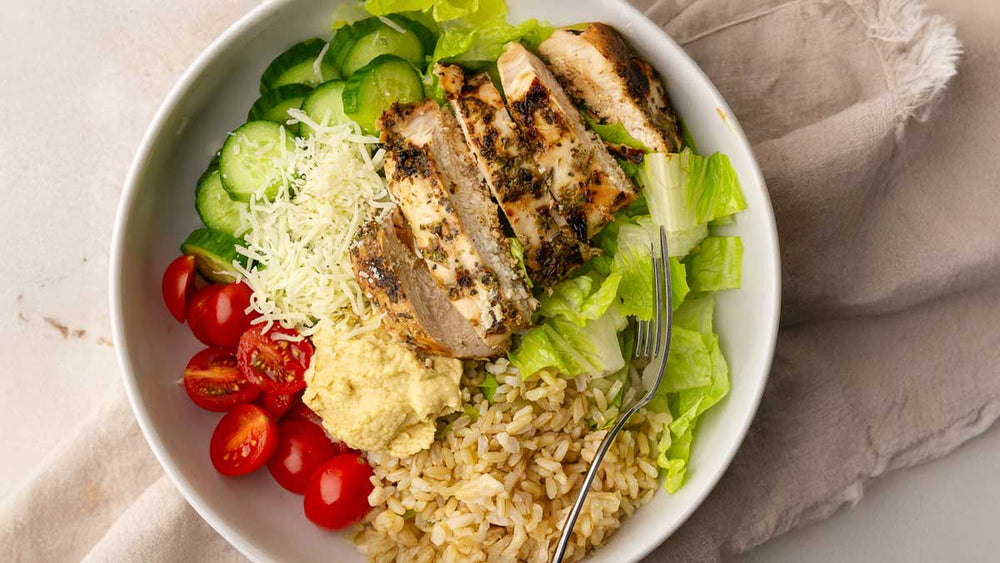
On the other hand, meals that are grilled, baked, or steamed tend to be better tolerated. Lean proteins like chicken, turkey, or fish, paired with vegetables and simple starches like rice or potatoes, are often safer choices. Broth-based soups and lighter sauces are also good options.
Small adjustments—like asking for sauce on the side, choosing grilled instead of fried, or skipping high-fat toppings—can make a big difference without making you feel restricted.
Navigating Different Cuisines
You don’t have to avoid your favorite cuisines—you just need to know how to work with them.
Mexican Cuisine
Mexican food can be very GERD-friendly with a few thoughtful swaps. Dishes like grilled chicken or fish fajitas, rice, beans, and tortillas are generally well tolerated. Choosing mild guacamole and avoiding heavy cheese, fried items, or spicy sauces can help minimize symptoms.
Italian & Mediterranean Cuisine
This category can be more challenging due to tomato sauces, garlic, and rich dishes—but there are still options.
Look for meals centered around grilled meats, seafood, or vegetables with minimal sauce. Broth-based soups like minestrone, or pasta dishes with light, vegetable-based preparations (instead of heavy sauces), can work well. Dishes like risotto or polenta with vegetables can also be good choices when prepared simply.
Asian Cuisine
Asian cuisine often offers a variety of lighter cooking methods, which can be helpful.
Steamed dishes, stir-fries with minimal oil, and meals built around rice, vegetables, and lean proteins are typically better tolerated. Choosing lighter sauces and avoiding very spicy or fried options can help keep symptoms in check.
Portion Size Matters Too
Even GERD-friendly foods can trigger symptoms if portions are too large.
Restaurant meals are often oversized, so consider:
- Sharing a meal
- Taking half home
- Eating slowly and stopping when comfortably full
Final Thoughts
Eating out with GERD doesn’t have to feel restrictive.
By understanding your personal triggers, choosing preparation methods wisely, and making small adjustments, you can still enjoy dining out without the discomfort.
It’s not about avoiding everything—it’s about making choices that allow you to feel your best.
FAQs
What are the best restaurant meals to order if you have GERD?
Meals featuring grilled, baked, or steamed proteins, vegetables, and simple sides such as rice or potatoes may be well tolerated by people with GERD. Grilled chicken, fish, lightly seasoned vegetables, and broth-based soups are practical options. However, the best choices depend on your individual reflux triggers and portion tolerance.
Can I eat Mexican, Italian, or Asian food with acid reflux?
Absolutely! You don't have to give up your favorite cuisines when managing GERD. Consider grilled fajitas with mild toppings, pasta with lighter sauces, or steamed Asian dishes with rice and vegetables. Asking for sauces and spicy seasonings on the side can make it easier to customize meals according to your tolerance.
How can I make restaurant meals more GERD-friendly?
Small modifications can make a difference. Try requesting grilled instead of fried foods, asking for dressings and sauces on the side, or choosing lighter toppings. Because restaurant portions are often large, sharing an entrée or taking leftovers home may also help reduce reflux symptoms.
What should I drink when dining out with GERD?
Still water is often a well-tolerated choice for people with GERD. Alcohol, carbonated beverages, caffeinated drinks, and acidic juices may trigger reflux in some individuals, but tolerance varies. Choose beverages based on your personal symptoms rather than assuming every potential trigger needs to be eliminated.
References
1Restivo, J. (2023, July 31). GERD diet: Foods to avoid to reduce acid reflux. Harvard Health Publishing. https://www.health.harvard.edu/diseases-and-conditions/gerd-diet-foods-to-avoid-to-reduce-acid-reflux
2Academy of Nutrition and Dietetics. (n.d.). Gastroesophageal reflux. https://www.eatright.org/health/health-conditions/digestive-and-gastrointestinal/gastroesophageal-reflux













 Recipes
 Products
Comments
Clara
08/21/2026 at 01:05 PM
Hi it seems like I have Gerb every night no matter what I eat fisnh, turkey green veggies very little spices . I drink.pepo Bismo like water , Tums, alkerzer I had another round of baking soda seems to be settling down somewhat. Like to get some sleep sitting up often. Ok.any advice appreciate it. Through my email . By the way Im.in my Glory days not young.:)
Kari Tallent, MA RD
05/14/2024 at 01:21 PM
Betty,
Thank you for your comment. If you check out other articles written by other contributors and myself, you can find some great food lists as well as recipes that are.specific for acid Reflux/GERD. If you are seen by a Gastroenterologist they may be able to refer you to a local dietitian who can provide you with outpatient nutrition counseling. I hope this helps and again, thank you so much for reading the article!
Betty
05/13/2024 at 08:26 AM
Enjoyed, what I got to read. Would like to find a good dietitian or I could have a list of foods that would be what I needed to eat for acid reflux after I eat, especially in the evenings like they’re still up and around the esophagus.
Join The Conversation...