


The Good, Bad, and Ugly of Snacking With Heartburn
As a registered dietitian, I am a big believer that snacking can make or break your eating plan. It really comes down to what you're snacking on, when you're snacking, and how much you’re consuming. Let’s break down the good, bad, and ugly of snacking and see what category your snacking habits fall under!
The Good:
Nutrient-rich snacking can actually be a cornerstone of a healthy eating pattern. When you consume snacks that contain high-fiber carbohydrates and protein, you are more likely to have steady blood sugar and, thus, steady energy throughout the day. Plus, consuming balanced snacks between meals can help you feel less hungry at the next meal, which can ultimately lead to more mindful choices and appropriate portion sizes.
The Bad:
Snacking on less healthy foods, like those high in added sugars and saturated fats, can increase overall calorie intake throughout the day and cause energy highs and lows. Typically, snacks high in sugar and low in nutrients satisfy you for the moment but leave you wanting more. You might know that as a blood sugar spike. Your blood sugar rises after eating a snack, but then quickly drops, leaving you looking for more sugar. The bad part is that not only are you consuming lower-quality calories, but you are also likely to experience energy spikes and drops throughout the day.
The Ugly:
Snacking is at its ugliest when people use it as a coping mechanism. Typically, the most coveted snacks during emotional eating are high in added sugars and fat and low in nutrients. Reaching for these types of snacks in times of stress and boredom can lead to excess calories, potential weight gain, and have a negative impact on your GERD symptoms.
Can snacking make GERD worse?
Overeating is a tried-and-true trigger of GERD symptoms. Consuming too much food at one time, whether from a meal or a snack, can often cause reflux. In addition, snacking too close to bedtime can also trigger a GERD flare-up. The general recommendation is to avoid eating 2–3 hours before lying down.
So, you might want to rethink that nighttime indulgence – munching on snacks after dinner, for enjoyment or to relieve stress, could contribute to negative GERD side effects. This becomes particularly important if those snacks are high in fat, like many post-dinner snacks are.
Finally, if your snacking leads to weight gain, it could exacerbate GERD. One of the best lifestyle changes to help manage the condition is to lose weight.
Can snacking help GERD?
One key aspect of snacking is that, when done correctly, it can help you manage portion sizes at mealtime. Often, people wait until they are so hungry that they end up eating more than they should at a meal. As mentioned, overeating can trigger GERD symptoms, so the goal is to eat smaller, more frequent meals throughout the day. This is where healthy snacking comes in. Nutrient-rich snacks eaten between meals can help you manage hunger and fullness, as well as the volume of food consumed, ultimately reducing GERD side effects.
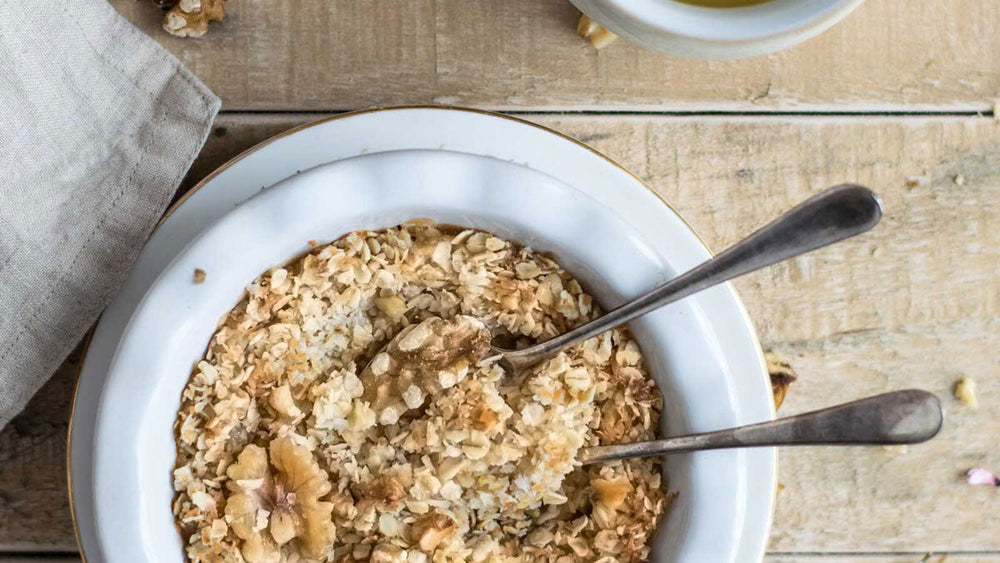
Snacks also offer an opportunity to include foods that can help you manage GERD, like oats, vegetables, lean protein, healthy fats, and ginger.
GERD Snacks Alternatives
The most GERD-friendly snacks include those that have both fiber and protein. Here are ten tasty combinations to keep you energized and help manage your symptoms:
- Whole-grain crackers and nut butter
- Apple and cheese
- Energy bites made with oats
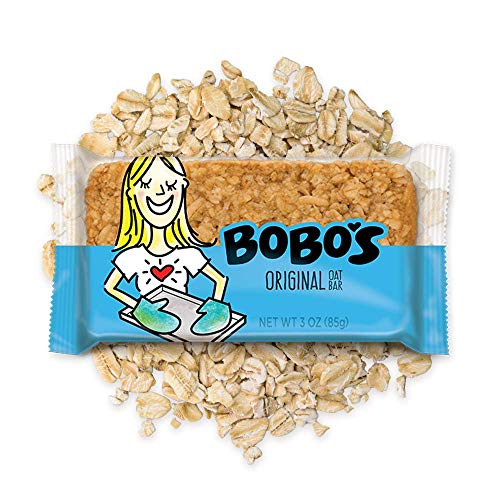
- Oat-based bar and nuts
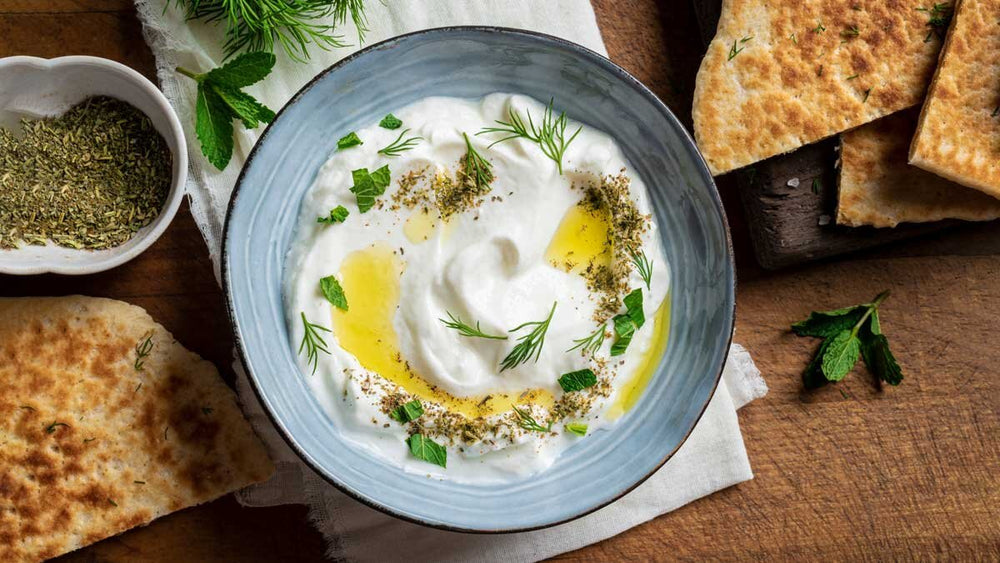
- Yogurt with berries
- Jerky and grapes
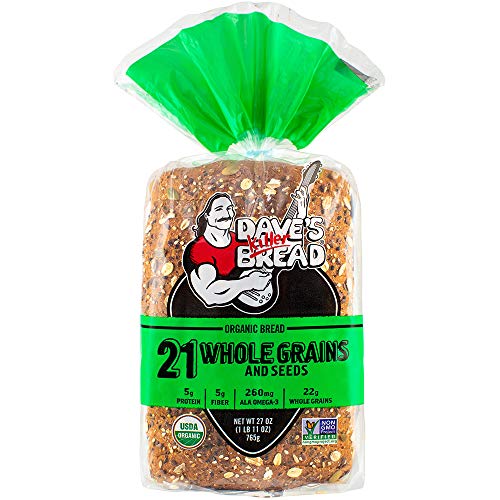
- Slice of whole-grain bread with lean protein
- Veggies, hummus, and berries
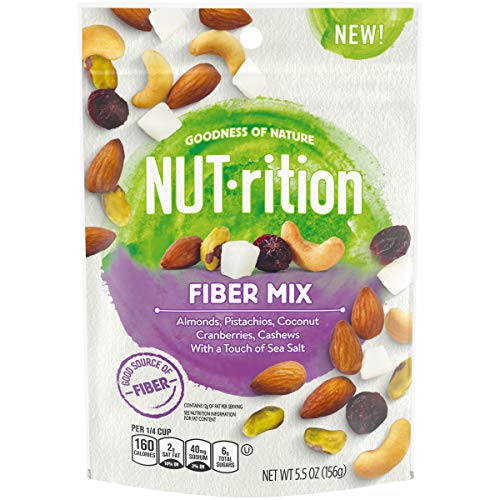
- Fiber-rich protein bar or packaged snack with nuts
FAQs
Is snacking good or bad for GERD?
Snacking itself is not inherently good or bad for GERD. The impact depends on the type of snack, portion size, and timing. Balanced snacks that contain fiber and protein may help manage hunger and prevent overeating at meals, while large portions or high-fat, high-sugar snacks may trigger reflux symptoms in some individuals.
What are the best snacks for people with GERD?
Many people with GERD tolerate snacks that combine fiber and protein, such as whole-grain crackers with nut butter, yogurt with berries, apples with cheese, vegetables with hummus, or oatmeal-based snacks. Because trigger foods vary between individuals, it is important to identify which foods work best for your specific symptoms.
Can eating before bed worsen acid reflux?
Yes. Eating too close to bedtime may increase the likelihood of reflux because lying down makes it easier for stomach contents to move into the esophagus. Most experts recommend avoiding meals and snacks for at least 2–3 hours before going to sleep.
Why does overeating trigger GERD symptoms?
Large meals and oversized snacks can increase pressure within the stomach, making reflux more likely. Eating smaller portions throughout the day may help reduce stomach distention and improve symptom management for some individuals.
Can healthy snacking help me avoid GERD flare-ups?
Potentially. Strategic snacking may help prevent extreme hunger, which can lead to overeating at meals—a common trigger for GERD symptoms. Choosing nutrient-dense snacks that provide fiber, protein, and healthy fats may support appetite regulation and help promote more balanced eating patterns throughout the day.
References
1Fiorentino, E. (2019). The consumption of snacks and soft drinks between meals may contribute to the development and to persistence of gastro-esophageal reflux disease. *Medical Hypotheses*. https://doi.org/10.1016/j.mehy.2019.02.034
2Takeshita, E., Furukawa, S., Sakai, T., Niiya, T., Miyaoka, H., Miyake, T., Yamamoto, S., Senba, H., Yamamoto, Y., Arimitsu, E., Yagi, S., Utsunomiya, H., Tanaka, K., Ikeda, Y., Matsuura, B., Miyake, Y., & Hiasa, Y. (2018). Eating Behaviours and Prevalence of Gastroesophageal Reflux Disease in Japanese Adult Patients With Type 2 Diabetes Mellitus: The Dogo Study. https://doi.org/10.1016/j.jcjd.2017.07.007
3Vakhshoori, M., Keshteli, A. H., Saneei, P., Esmaillzadeh, A., & Adibi, P. (2018). Relationship Between Meal Frequency and Gastroesophageal Reflux Disease (GERD) in Iranian Adults. *Digestive Diseases and Sciences*. https://doi.org/10.1007/s10620-018-5200-7









 Recipes
 Products
Comments
Briel
03/10/2025 at 10:07 AM
I’m a person who have acid reflux and would like to join this conversation to know more about food I can eat to help my acid reflux get better
Allison Koch, PhD, RDN
03/28/2024 at 08:23 AM
Thank you for your comment. As a Registered Dietitian, addressing misconceptions and providing accurate information about managing GERD through dietary choices is essential. While it’s true that certain high-fat and dairy-rich foods can exacerbate symptoms of GERD for some individuals, it’s not accurate to say that all dairy, including cheese, is universally off-limits. Similarly, while managing fat intake is important, it doesn’t mean that all sources of fat, such as nuts, are prohibited.
GERD management often involves identifying trigger foods and making personalized dietary adjustments based on individual tolerance levels. For some people, this may mean reducing or avoiding certain high-fat or dairy-containing foods, while moderation and portion control may be sufficient for others. Additionally, while obesity can contribute to GERD symptoms, it’s not the sole cause, and people of all body types can experience GERD.
Here at Foodguides, we provide guidance that empowers individuals to make informed choices that align with their unique needs and preferences. This includes encouraging a balanced diet rich in whole foods, including fruits, vegetables, lean proteins, and whole grains, while minimizing known triggers, supporting GERD management, and promoting overall health and well-being.
G Tucker
03/28/2024 at 08:17 AM
When you have GERD, dairy (and especially cheese) is not allowed, and you need to heavily manage fat intake, so “energy bites”, protein bars, and nuts won’t necessarily work either. This is misleading article that makes it seem as if managing GERD is simply a matter of eating healthy, and is caused by obesity, which is not the case.
Join The Conversation...