



The global wellness industry is a multi-trillion-dollar industry, and some days it feels like you must have a trillion dollars to keep up. Marketing wants us to believe that extensive testing, expensive supplements, and exotic ingredients are necessary for digestive wellness. The cold, hard truth is that we can have a healthy gut without shelling out cold, hard cash.
The Cost of Gut Health
You may be asking yourself, “Is the importance of gut health real, or is it all hype?” While some wellness trends do turn out to be all hype (here’s looking at you, grapefruit diet), caring for our gut is very much an integral part of longevity and well-being. An imbalanced gut microbiome can lead to digestive issues like gas, bloating, cramping, or heartburn, as well as exacerbated issues with irritable bowel syndrome. Our gut microbiome is also linked with our mood, immune system, and even our skin. Brain fog, anxiety, increased illness, and even acne may be alleviated by supporting the gut.
Keeping our digestive system healthy may prevent added costs down the line. Masking symptoms may involve paying for costly treatment. Think along the lines of expensive skincare, stress supplements, and endless doctor’s visits that can add up over time. Instead, it is almost always worth addressing the root cause.
Kitchen Staples for a Healthy Gut
High-fiber foods are foods that healthy gut bacteria need to thrive. Fiber also helps prevent constipation and promotes more regular bowel movements. If I were to suggest you make one change to positively influence gut health, it would be to make fiber your friend. For the general population, a daily fiber intake of 25-35 g is recommended. Luckily, there are many affordable high-fiber foods.
Fiber foods are always plant foods. This is good news because, as a general rule, plants tend to cost less than animal products. Fill your plate with fruits, vegetables, whole grains, nuts, seeds, and legumes. Some of my favorite options to always keep on hand include:
- Nuts and seeds: These make for a great snack, high-fiber granola alternative, and even a salad topper.
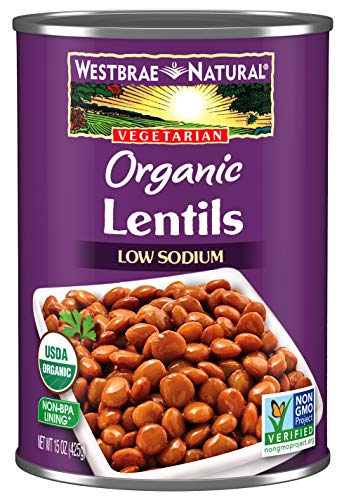
- Lentils: In addition to their fiber content, they also provide iron and protein for significantly less than red meat. As a bonus, they are shelf-stable.
- Oats: Instead of baking with white flour, incorporate oats into your baked goods for a fiber boost
- Beans and chickpeas: Whether canned or dry, these options are shelf-stable and low-cost. Almost every grocery store carries its own brand of legumes that are even more affordable than name-brand options.
- Frozen fruits: Many fruits, especially berries, are high in fiber. Buying them frozen means you don’t have to worry as much about food waste, since they won’t spoil for a few days after purchase.
Beyond fiber, fermented foods also pack a gut-supporting punch. Examples of fermented foods include some yogurts, kefir, sauerkraut, and kimchi. For some of the more “exotic” fermented foods, look into preparing them yourself!
Smart Shopping: Maximizing Your Gut Health Budget
Saving money rarely happens on its own. We have to plan for it. We should also plan our trips to the grocery store to avoid impulse spending. Spend some time organizing your weekly meal plan, making sure you include fiber-rich or fermented foods. Once you are in the grocery store, opt to buy foods in bulk rather than in individual containers to help save on packaging costs. For example, buy a tub of Greek yogurt instead of individual cups.
Consider foods that also require a little more prep work, such as dried beans instead of canned, or whole vegetables instead of pre-cut. You probably already know to check for coupons, but make sure you also scan the bottom of the grocery shelves. This is typically where the more budget-friendly options are kept, as they keep more expensive products at eye level for easy viewing.
Lifestyle hacks that are free
Gut health goes beyond the foods you put into your body. How you take care of your body on the outside matters too. Physical activity, stress reduction, and sleep all play a role. Moving your body regularly can help speed up digestion and reduce stress. Due to the gut-brain connection, high levels of stress may negatively impact the gut microbiome or worsen irritable bowel syndrome.
Spending time in nature, taking walks, prayer and meditation, and laughter are all completely free activities. Another free activity: sleep. Practice good sleep hygiene for enhanced sleep quality, and double-check your sleep quantity. Most healthy adults need 7-9 hours per night. Lastly, avoid tobacco products and alcohol. This will benefit far more than just gut health, and these products are costly! Save your health and your wallet all at once.
When to invest
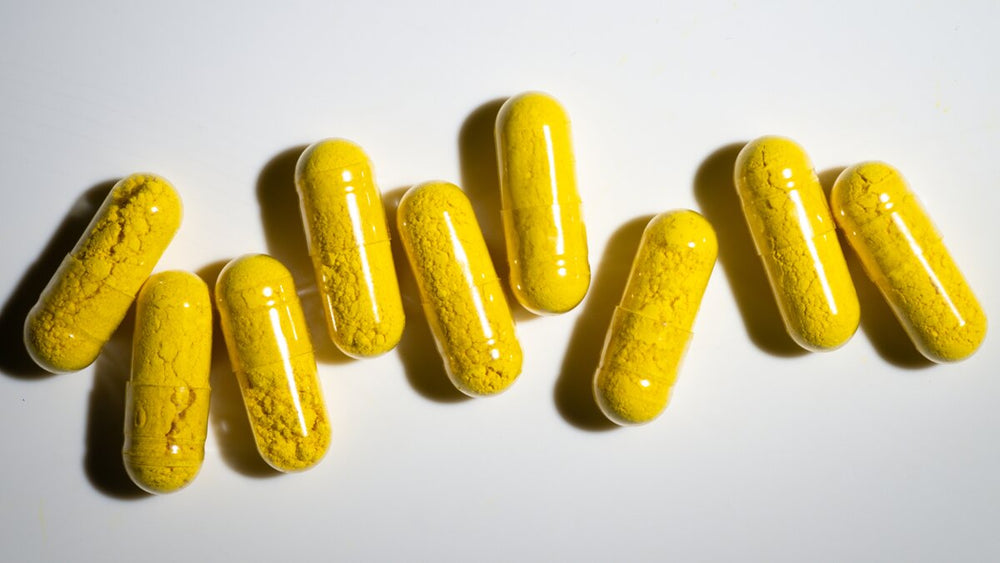
Sometimes upgrading our health does come with an extra price tag or two, but it's good to know when to splurge. If you have done everything you know to do and aren’t getting relief, visiting a healthcare professional in the moment may be warranted to prevent medical costs down the line. If a medical professional advises you to take a specific strain, it may be worth the extra investment. Not everyone needs to pay for the newest and trendiest probiotic supplement to feel their best! Sometimes the more affordable options are just as effective.
A healthy, happy gut can have a significant impact on quality of life. Invest time and intention in your gut health now and watch the benefits compound over time. No financial investment required.
FAQs
Can you improve gut health on a budget?
Yes. Supporting gut health doesn't require expensive supplements, specialty foods, or testing. Affordable habits such as eating more fiber-rich plant foods, staying physically active, getting adequate sleep, and managing stress can all support digestive wellness.
What are some inexpensive foods that support gut health?
Budget-friendly options include oats, dried or canned beans, lentils, chickpeas, frozen fruits and vegetables, nuts, seeds, and certain fermented foods such as yogurt. Buying store brands, purchasing in bulk, and choosing frozen or shelf-stable foods can help stretch your grocery budget even further.
Do I need to take a probiotic supplement for a healthy gut?
Not necessarily. Many people can support their gut microbiome with a varied diet rich in fiber-rich plant foods and fermented foods. Probiotic supplements may be appropriate in certain circumstances, but the most expensive or trendy product isn't automatically the most effective choice.
When should digestive symptoms be evaluated by a healthcare professional?
Persistent, worsening, or unexplained digestive symptoms deserve professional evaluation rather than continued spending on supplements or wellness products. A healthcare provider or registered dietitian can help identify potential causes and determine whether dietary changes, testing, or treatment may be appropriate.











 Recipes
 Products


Comments
Join The Conversation...