


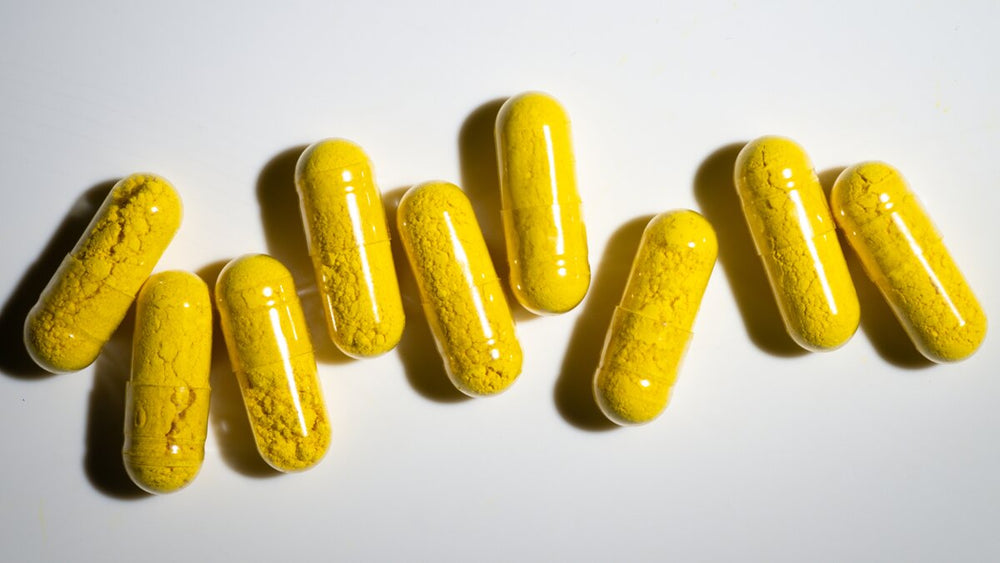
Have you heard of berberine before?
Berberine is a naturally occurring plant compound that has gained attention for its potential antimicrobial and anti-inflammatory properties. It is found in several plants, including Berberis species and goldenseal, and has been widely studied for its effects on metabolism, inflammation, and gut health.
Because of its ability to influence certain microorganisms, researchers have become increasingly interested in whether berberine may help support the treatment of small intestinal bacterial overgrowth (SIBO). While berberine is often promoted as a natural alternative to antibiotics, research into its effectiveness for SIBO is still emerging. Understanding what the current research shows, along with its potential benefits and limitations, can help determine whether berberine may have a role in digestive health.
What Is SIBO?
Small intestinal bacterial overgrowth (SIBO) occurs when excessive numbers of bacteria are present in the small intestine, potentially interfering with normal digestion and nutrient absorption. Under normal circumstances, the small intestine contains fewer bacteria than the large intestine. However, changes in intestinal motility, previous gastrointestinal surgery, and certain medical conditions may contribute to bacterial overgrowth.
SIBO can cause several uncomfortable digestive symptoms, including:
- Bloating and excessive gas
- Abdominal discomfort
- Diarrhea
- Constipation
- Changes in bowel habits
- Nutrient deficiencies in some individuals
Because these symptoms can also occur with irritable bowel syndrome (IBS), food intolerances, and other digestive conditions, symptoms alone cannot confirm a SIBO diagnosis.
How Is SIBO Diagnosed?
SIBO is commonly investigated using hydrogen and methane breath testing. During a breath test, individuals consume a solution containing glucose or lactulose. Researchers then measure the levels of hydrogen and methane produced by intestinal microorganisms over a period of time. These gases can provide information about microbial activity within the digestive tract and help healthcare providers evaluate whether bacterial overgrowth may be present. However, breath test results must be interpreted carefully because factors such as intestinal transit time and test accuracy can influence the results.
What Is Berberine and How Might It Help SIBO?
Berberine is a bioactive compound found in several plants and has been studied for its potential effects on gut bacteria, inflammation, and metabolic health. Research suggests berberine may have several important biological properties.
Studies have explored whether berberine may help:
- Inhibit the growth of certain microorganisms
- Influence gut microbial composition
- Support a healthy inflammatory response
- Affect metabolic processes within the body
Because SIBO involves excessive bacterial growth within the small intestine, researchers have become interested in whether berberine's antimicrobial properties may help reduce bacterial overgrowth. Berberine may also influence the gut microbiome by changing the intestinal environment and affecting how certain bacteria grow and function. However, it is important to remember that antimicrobial activity observed in laboratory studies does not necessarily translate into effective treatment in humans.
What Does the Research Show?
Research on berberine specifically for SIBO remains limited. The most direct clinical evidence comes from the BRIEF-SIBO trial, a single-center, open-label study comparing two weeks of berberine with rifaximin. The trial was designed to determine whether berberine was not substantially less effective than rifaximin—not whether it was superior or equivalent.
According to results presented in a 2025 conference abstract, 186 participants completed the study. At two weeks, breath tests became negative in 45% of participants receiving berberine and 51% receiving rifaximin. At six weeks, the reported rates were 53% and 44%, respectively. Berberine was associated with improved bloating at six weeks, while rifaximin was associated with improved bowel-movement frequency.
A 2025 network meta-analysis of 30 randomized trials involving 1,552 participants ranked berberine favorably among the SIBO treatments evaluated. However, network meta-analyses may include both direct and indirect comparisons. The authors also emphasized that differences among the studies and limited sample sizes make the findings better suited for generating hypotheses than establishing a preferred treatment.
These findings support continued research, but they do not yet establish berberine as a standard SIBO treatment. Larger, independently conducted trials are needed to clarify which patients might benefit, the most appropriate dose and duration, long-term safety, and the likelihood of recurrence.
How Does Berberine Compare to Rifaximin?
Rifaximin is a minimally absorbed antibiotic that is commonly prescribed for certain gastrointestinal conditions, including selected cases of SIBO. Unlike berberine, rifaximin is an established prescription medication with clinical research supporting its use in specific digestive conditions. Early research suggests berberine may have therapeutic potential, but there is currently insufficient evidence to establish that it is equally effective or safer than rifaximin.
Berberine Side Effects and Medication Interactions
Although berberine is a naturally occurring plant compound, supplementation is not appropriate for everyone. It may cause several gastrointestinal side effects, including nausea, abdominal discomfort, diarrhea, and constipation. Berberine may also affect certain drug-metabolizing enzymes and transport proteins, potentially changing how the body processes certain medications. This is particularly important for individuals taking medications for diabetes or immunosuppressants. Individuals should always consult with a healthcare provider before taking a new supplement if they are on other medications.
Who Should Avoid Berberine?
Berberine is generally not recommended during pregnancy or breastfeeding. It should also not be given to infants because of concerns about bilirubin-related complications. As with any supplement, understanding your individual health needs and potential risks is important before starting a new product.
What to Look for When Choosing a Berberine Supplement
Supplement quality can vary significantly between manufacturers. Because dietary supplements are not evaluated in the same way as prescription medications, choosing a reputable product is especially important. When considering a berberine supplement, look for:
- Transparent ingredient labeling
- Clearly listed ingredient amounts
- Manufacturers that provide information about product quality and purity
- Independent third-party testing when available
Why Treating the Underlying Cause of SIBO Matters
One important consideration when managing SIBO is understanding why bacterial overgrowth developed in the first place. SIBO can recur, particularly when the underlying factors contributing to bacterial overgrowth are not addressed. Some potential contributing factors include altered intestinal motility, post-gastric surgery, changes in normal digestion, and medical conditions. Addressing these underlying factors may be an important part of long-term digestive health management. Additionally, treatment may also involve identifying and correcting nutritional deficiencies and evaluating persistent digestive symptoms.
Questions to Ask Before Trying Berberine for SIBO
Before considering berberine supplementation, it is important to understand whether it is an appropriate option for your individual situation.
Some helpful questions to discuss with your healthcare provider include:
- Has SIBO been adequately confirmed through appropriate testing?
- Could berberine interact with my current medications or supplements?
- What research supports using berberine for my specific situation?
- Are there other treatment options available?
- What potential side effects should I be aware of?
- How will we determine whether treatment is working?
When Should You See a Gastroenterologist?
Persistent digestive symptoms should not automatically be attributed to SIBO. If you experience ongoing bloating, abdominal discomfort, unexplained weight loss, persistent diarrhea, or signs of nutritional deficiencies, seeking medical evaluation is important. A gastroenterologist can help determine whether SIBO or another gastrointestinal condition may be contributing to your symptoms. Severe abdominal pain, gastrointestinal bleeding, or signs of dehydration warrant prompt medical attention.
The Bottom Line
Berberine is a plant-derived compound that has gained attention for its potential antimicrobial properties and possible role in digestive health. Emerging research suggests berberine may help improve certain SIBO-related outcomes, with early clinical findings showing potential when compared with rifaximin. While berberine may be a promising area of research, it is important to remember that natural supplements are not necessarily safer or more effective than conventional treatments. Accurate diagnosis, addressing underlying causes, and working with a qualified healthcare professional remain important parts of effective SIBO management.
FAQs
What is berberine?
Berberine is a naturally occurring plant compound found in several plants, including Berberis species and goldenseal. It has been studied for its potential antimicrobial, anti-inflammatory, and metabolic effects.
Can berberine help treat SIBO?
Some early research suggests berberine may help improve breath test outcomes and certain digestive symptoms in individuals with SIBO. However, more clinical research is needed before it can be considered an established treatment.
Is berberine better than rifaximin for SIBO?
Current research does not establish that berberine is more effective or equally effective than rifaximin. More studies are needed to compare the two treatments.
Can berberine prevent SIBO from coming back?
There is currently insufficient evidence to determine whether berberine can prevent SIBO recurrence. Addressing the underlying factors contributing to bacterial overgrowth remains an important part of long-term management.
Is berberine safe for everyone?
No. Berberine can cause gastrointestinal side effects and interact with certain medications. It should generally be avoided during pregnancy and breastfeeding and should not be given to infants. Individuals taking prescription medications should consult a healthcare professional before use.
References
1A328. (n.d.). *Gut*, *74*(Suppl 3), A328. https://gut.bmj.com/content/74/Suppl_3/A328
2Cleveland Clinic. (n.d.). Berberine: Benefits, side effects and more. Health Essentials. https://health.clevelandclinic.org/berberine
3Cleveland Clinic. (n.d.). *Small intestinal bacterial overgrowth (SIBO)*. https://my.clevelandclinic.org/health/diseases/21820-small-intestinal-bacterial-overgrowth-sibo
4Sher, L. (2020). The impact of the COVID-19 pandemic on suicide rates. QJM: An International Journal of Medicine, 113(10), 707–712. https://pmc.ncbi.nlm.nih.gov/articles/PMC7386065/
5National Center for Biotechnology Information. (n.d.). PMC7933196. PubMed Central. https://pmc.ncbi.nlm.nih.gov/articles/PMC7933196/
6Cleveland Clinic. (n.d.). *Rifaximin tablets*. https://my.clevelandclinic.org/health/drugs/18573-rifaximin-tablets
7Guo, H., Lu, S., Zhang, J., Chen, C., Du, Y., Wang, K., & Duan, L. (2023). Berberine and rifaximin effects on small intestinal bacterial overgrowth: Study protocol for an investigator-initiated, double-arm, open-label, randomized clinical trial (BRIEF-SIBO study). Frontiers in Pharmacology, 14, 1121435. https://doi.org/10.3389/fphar.2023.1121435
8Gao, J., Guo, H., Zhu, L., Lu, S., Chen, C., Hu, N., Wang, K., & Duan, L. (2025). IDDF2025-ABS-0189 new choice for small intestinal bacterial overgrowth: An RCT comparing berberine and rifaximin. Gut, 74(Suppl. 3), A328–A329. https://doi.org/10.1136/gutjnl-2025-IDDF.227
9Zhang, Q., Li, H., Chen, C., Li, M., Song, J., Pan, S., Shen, B., & Huang, Y. (2025). Comparative efficacy of diverse therapeutic regimens for small intestinal bacterial overgrowth: A systematic network meta-analysis. Therapeutic Advances in Gastroenterology, 18, 17562848251399033. https://doi.org/10.1177/17562848251399033

















 Recipes
 Products


Comments
Join The Conversation...