



Getting Back Into Routine After an IBS Flare
There is nothing worse than finally getting into a good routine—especially with exercise—and then having to put everything on hold because of an IBS flare-up.
As an avid runner and exercise enthusiast, I can say firsthand that flare-ups can feel inevitable at times. And if you’ve been there, you know the hesitation that comes with getting back into movement. You start to wonder how your stomach is going to react, or if you’re going to make it through a workout comfortably.
If that sounds familiar, you’re not alone—and the good news is that there are ways to ease back in safely.
Start with a Plan (It Makes All the Difference)
When I’m recovering from an active flare-up, I never jump right back into my routine without a plan.
The most helpful approach is to ease back in gradually while thinking ahead about a few key things: where you’ll be exercising, what you’ll bring, and how you’ll fuel your body. These small details can make a big difference in both comfort and confidence.
Location and Peace of Mind
Let’s start with something simple—but incredibly important—location.
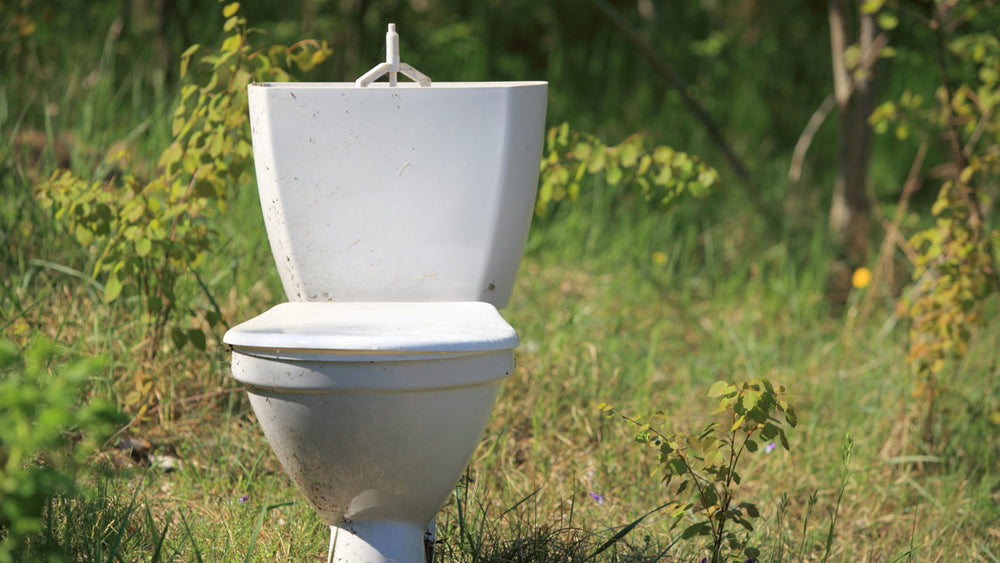
Whether you’re heading to the gym or going out for a walk, bike ride, or run, knowing where the bathrooms are can make a huge difference. My husband jokes that I always know where the nearest bathroom is wherever we go—but honestly, that level of awareness takes a lot of the anxiety out of exercising with IBS.
When you know you have easy access if you need it, you can focus more on your movement and less on the “what ifs.”
For outdoor workouts, especially running, choosing a route with bathrooms—or at least accessible ones—can help you feel more in control.
Gear That Supports You (Just in Case)
What you wear and carry matters more than you might think.
Loose-fitting clothing is key. Anything tight around your abdomen can increase discomfort or trigger symptoms, especially during movement. Personally, I also tend to wear darker clothing—just for peace of mind.
And yes, this is one of those “be prepared” situations. Having a small backup kit in your gym bag or running gear can go a long way. A change of clothes, wipes, and even a simple storage bag are not things you want to use—but having them on hand can significantly reduce stress.
For runners, something like a belt or small pack can be really helpful for carrying essentials without getting in the way of your workout.
Rethinking Exercise Intensity
One of the biggest adjustments during IBS recovery is how you approach intensity.
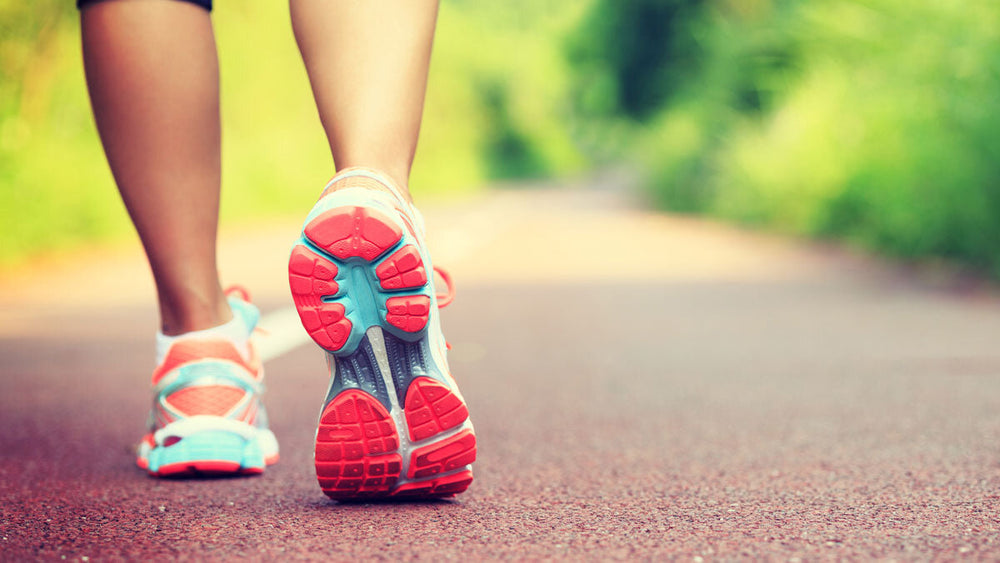
High-impact exercise—like running, jumping, or certain core workouts—can sometimes act like a natural stimulant for the gut. For some people, this can worsen urgency or discomfort, especially during or shortly after a flare.
That doesn’t mean you have to avoid these activities forever. It just means that when you’re coming out of a flare, it may help to:
- Start with lower-impact movement like walking or light cycling
- Gradually reintroduce higher-impact exercise
- Pay attention to how your body responds
Over time, you’ll start to recognize what feels manageable and what doesn’t—and that awareness is incredibly valuable.
Nutrition: Keeping It Simple and Predictable
Food plays a major role in how your body responds to exercise—especially with IBS.
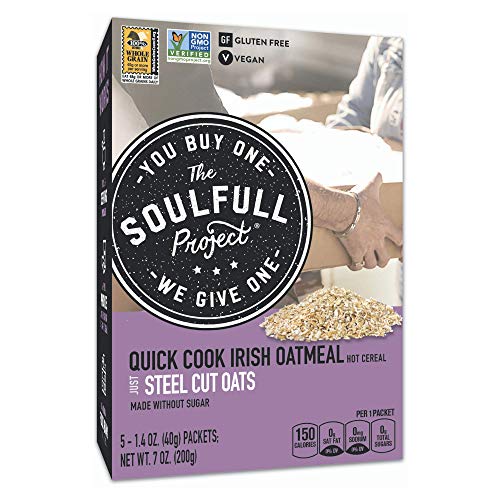
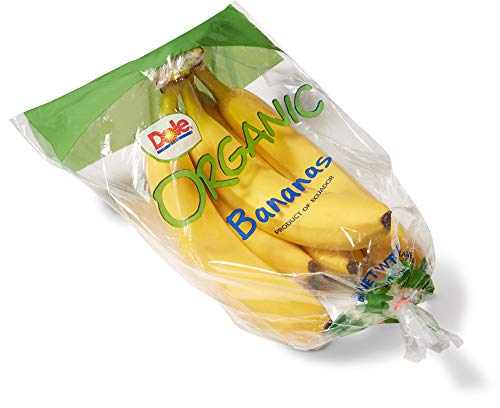
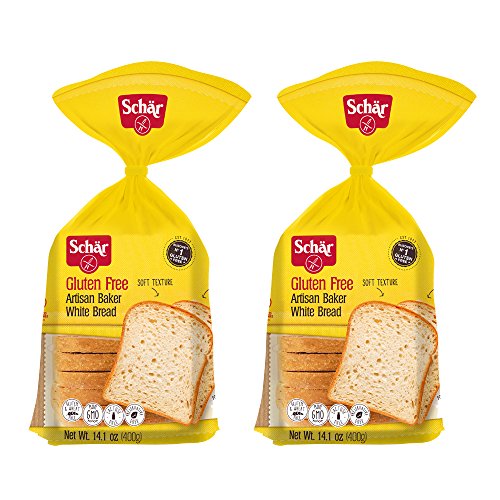
When getting back into a routine, I always recommend choosing foods that are easy to digest and lower in potential triggers, particularly before a workout. For me, that often looks like something simple, like oatmeal, cereal, toast, or a banana. These foods tend to sit well and provide enough energy without overwhelming the digestive system.
I also tend to avoid higher-fat foods and dairy before exercise, since both can slow digestion or cause discomfort, depending on your tolerance.
Timing Matters More Than You Think
The time of day you exercise can also influence how your body feels.
Morning workouts tend to be a bit easier to manage because your food intake is more controlled—you can keep things light and predictable before heading out.
Afternoon or evening workouts can be trickier since you’ve likely eaten multiple meals throughout the day. On those days, I’m more intentional with my earlier meals—keeping them lower in fat, moderate in fiber, and avoiding foods that are more likely to cause gas or discomfort.
For example, I typically steer clear of heavier proteins like beef or more gas-producing vegetables like cabbage, broccoli, or Brussels sprouts before a higher-impact workout. These are foods I’ll save for later in the day, once I know my stomach is feeling stable.
Finding What Works for You
One of the most important things to remember is that IBS is highly individual.
There will always be some level of trial and error when it comes to exercise, food, and timing. But if there’s one thing I’ve learned, it’s that being a little more cautious—especially when returning after a flare—almost always pays off.
Over time, you’ll build your own routine, your own safe foods, and your own strategies that help you stay active without constantly worrying about your symptoms.
Final Thoughts
Getting back into exercise after an IBS flare-up can feel intimidating, but it doesn’t have to derail your routine long-term.
With a little planning, some thoughtful adjustments, and a better understanding of your body, it is absolutely possible to stay active and feel confident doing it.
And if nothing else—know where the bathrooms are. Always.










 Recipes
 Products

Comments
Join The Conversation...