



What’s the Connection Between PCOS and Gut Health?
In addition to hosting Mother’s Day, the month of May is also home to National Women’s Health Week—so I could hardly think of a better time to turn my writer’s gut health gaze toward the topic of PCOS.
Polycystic ovary syndrome (PCOS) affects around 5 million women in the United States and is a leading cause of female infertility.
A growing body of evidence suggests that, in addition to insulin resistance and elevated androgen (male hormone) levels, imbalances in the gut microbiome (dysbiosis) may also play a significant role.
PCOS and the Gut Microbiome
While the exact progression of PCOS is still not fully understood, emerging research points to a connection between insulin resistance and imbalances in gut bacteria.
A number of preliminary studies—including those published in Frontiers in Microbiology (2017) and the Frontiers in Cellular and Infection Microbiology (2023)—have shown that women with PCOS tend to have:
- Lower gut microbiome diversity
- Greater likelihood of dysbiosis
Further research published in Frontiers in Endocrinology suggests that dysbiosis may be driven by both elevated androgen levels and insulin resistance—meaning the relationship between gut health and PCOS may be bidirectional.
In other words: Your gut may influence PCOS—and PCOS may influence your gut.
Can Improving Gut Health Help PCOS?
This leads to one very important question:
Do interventions that improve the gut microbiome actually improve PCOS outcomes?
While the answer is still evolving, researchers have begun exploring this through:
- Probiotic supplementation
- Synbiotics (probiotics + prebiotics)
- Dietary strategies
Insulin Resistance & Probiotics
The findings showed that:
- Multi-strain probiotics (including Lactobacillus and Bifidobacterium)
- Taken over 8–12 weeks
Were associated with improvements in insulin resistance, one of the most significant metabolic features of PCOS.
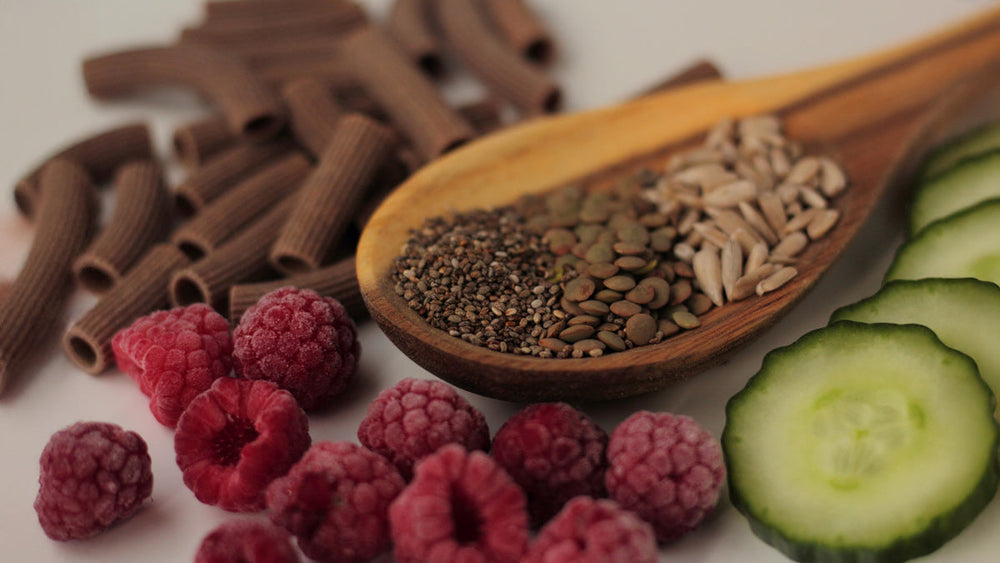
From a dietary perspective, low glycemic index eating patterns—featuring:
- Legumes
- Nuts and seeds
- Whole grains (brown rice, quinoa, oats)
…may also support insulin sensitivity.
These foods are also rich in fiber and magnesium, two nutrients often under-consumed in women with PCOS.
Androgens, Inflammation & Gut Health
The review found that these interventions may:
- Reduce testosterone levels
- Improve inflammatory markers
- Support metabolic health
The probiotics studied commonly included strains such as:
- Lactobacillus acidophilus
-
Lactobacillus casei
And prebiotics included:
- Inulin
- FOS (fructooligosaccharides)
These prebiotic fibers are naturally found in foods like:
- Garlic
- Onion
- Bananas
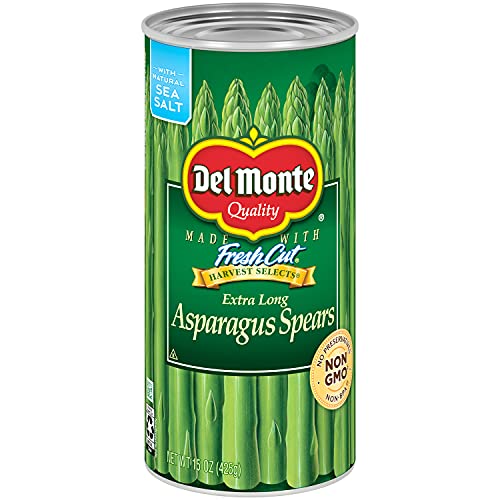
- Asparagus
- Oatmeal
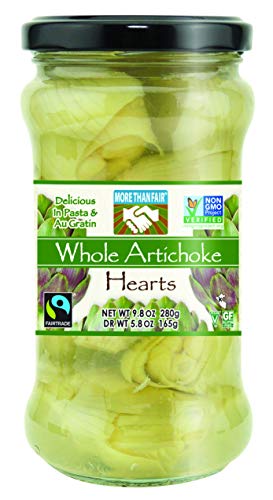
- Artichokes
A Quick Note on Fermented Foods
Although there are currently no direct fermented food intervention studies in PCOS, research in other areas shows that fermented foods like:
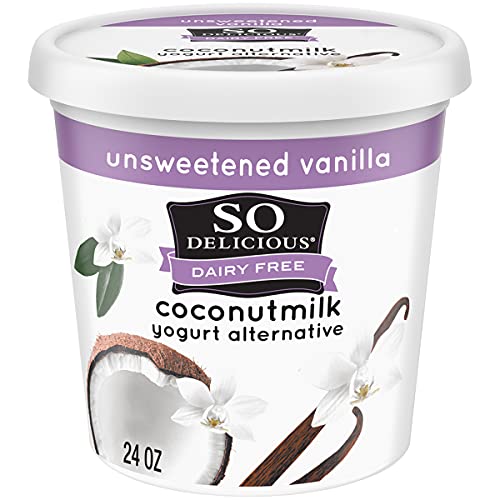
- Kefir
- Kimchi
- Kombucha
…can:
- Increase microbiome diversity
- Reduce inflammation
This makes them an interesting area for future research in PCOS management.
Final Thoughts
Dysbiosis is increasingly recognized as a feature of PCOS that may interact with two of its most prominent markers:
- Insulin resistance
- Elevated androgen levels
Emerging—though still limited—evidence suggests that improving gut health through:
- Probiotic and synbiotic supplementation
- Fiber-rich dietary patterns
…may offer meaningful benefits.
That said, these strategies are best viewed as supportive tools, not standalone treatments.
The current consensus? Improving gut health is a low-risk, potentially beneficial approach that can complement broader PCOS management strategies.
- Cozzolino, M., Vitagliano, A., Pellegrini, L., Chiurazzi, M., Andriasani, A., Ambrosini, G., & Garrido, N. (2020). Therapy with probiotics and synbiotics for polycystic ovarian syndrome: a systematic review and meta-analysis. European journal of nutrition, 59(7), 2841–2856. https://doi.org/10.1007/s00394-020-02233-0
- Gu, Y., Zhou, G., Zhou, F., Li, Y., Wu, Q., He, H., Zhang, Y., Ma, C., Ding, J., & Hua, K. (2022). Gut and Vaginal Microbiomes in PCOS: Implications for Women's Health. Frontiers in endocrinology, 13, 808508. https://doi.org/10.3389/fendo.2022.808508
- He, F. F., & Li, Y. M. (2020). Role of gut microbiota in the development of insulin resistance and the mechanism underlying polycystic ovary syndrome: a review. Journal of ovarian research, 13(1), 73. https://doi.org/10.1186/s13048-020-00670-3
- Liu, R., Zhang, C., Shi, Y., Zhang, F., Li, L., Wang, X., Ling, Y., Fu, H., Dong, W., Shen, J., Reeves, A., Greenberg, A. S., Zhao, L., Peng, Y., & Ding, X. (2017). Dysbiosis of Gut Microbiota Associated with Clinical Parameters in Polycystic Ovary Syndrome. Frontiers in microbiology, 8, 324. https://doi.org/10.3389/fmicb.2017.00324
- Mayo Foundation for Medical Education and Research. (2026, April 21). Polycystic ovary syndrome (PCOS). Mayo Clinic. https://www.mayoclinic.org/diseases-conditions/pcos/symptoms-causes/syc-20353439
- Miao, C., Guo, Q., Fang, X., Chen, Y., Zhao, Y., & Zhang, Q. (2021). Effects of probiotic and synbiotic supplementation on insulin resistance in women with polycystic ovary syndrome: a meta-analysis. The Journal of international medical research, 49(7), 3000605211031758. https://doi.org/10.1177/03000605211031758
- Sun, Y., Gao, S., Ye, C., & Zhao, W. (2023). Gut microbiota dysbiosis in polycystic ovary syndrome: Mechanisms of progression and clinical applications. Frontiers in cellular and infection microbiology, 13, 1142041. https://doi.org/10.3389/fcimb.2023.1142041













 Recipes
 Products
Comments
Join The Conversation...