


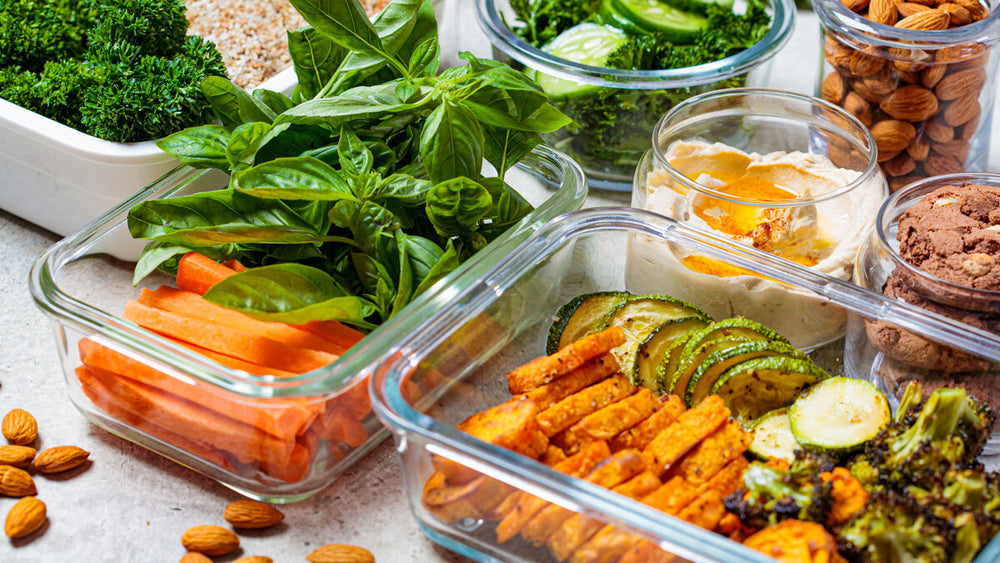
Simple Meal Prep Tips for Managing GERD (Without Spending Hours in the Kitchen)
Whether you are pressed for time or just looking for a few practical tips, we’ve got you.
Back in the 1960s, the average meal preparation and clean-up time was about 2½ hours per day. Today, that’s simply not realistic. Meal prep now averages closer to 42 minutes per day for men and just under 1½ hours for women—and even that can feel like a stretch during busy weeks.
Because of this, it’s no surprise that on any given day, over one-third of adults are eating fast food, often 1–3 times per week. Convenience plays a huge role—but for those managing GERD, frequent reliance on fast food can make symptom control more difficult due to higher fat content, larger portion sizes, and hidden trigger ingredients.
The good news? With a few simple strategies, cooking at home can become more manageable—and much more supportive of your digestive health.
Why Meal Prep Matters for GERD
As a dietitian, I find that one of the most effective ways to manage GERD symptoms is to maintain consistency in both food choices and eating habits.
Preparing meals at home allows you to:
- Control portion sizes (which helps prevent overeating, a common reflux trigger)
- Limit high-fat, fried, or heavily processed foods
- Avoid common triggers like excess garlic, onion, citrus, and spicy ingredients
- Eat earlier and more regularly, which can reduce symptom flare-ups
Even small changes in how and when you prepare meals can make a noticeable difference in how you feel.
Block Off Time in Your Schedule Each Week
Blocking off time each week for meal prep can help you stay on track with reflux-friendly eating.
Preparing meals ahead of time keeps you from relying on last-minute options that may not support your symptoms. Try preparing your first couple of meals for the week and refrigerating them, then freezing additional portions for later in the week.
If you don’t mind leftovers—or even enjoy getting creative with them—making a double batch of simple dishes like pasta, rice, or lean protein can give you multiple meal options without extra effort.
Prepare Simple, One-Dish Meals
Anything you can prepare ahead of time—whether fully cooked or ready to cook—will save time and reduce stress.
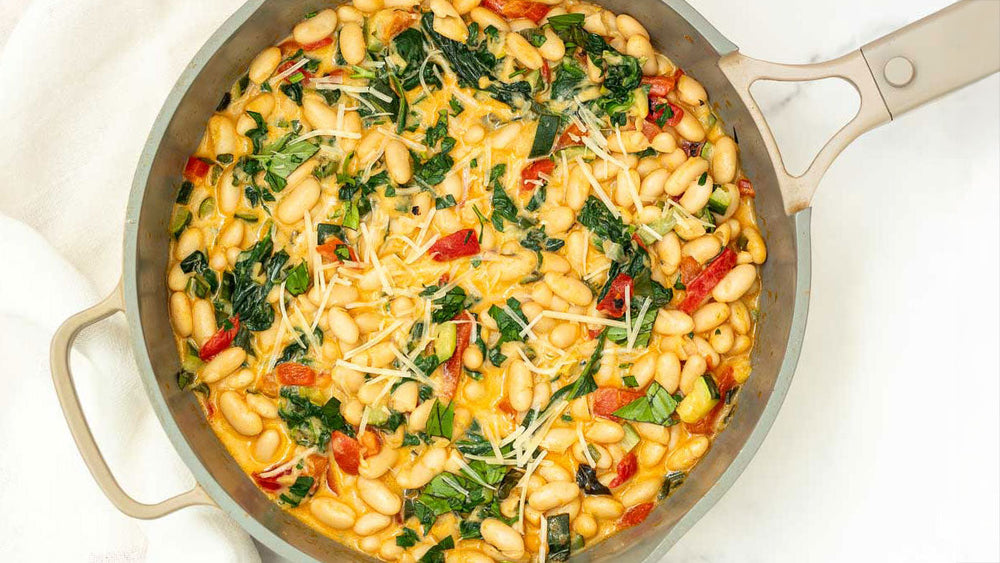
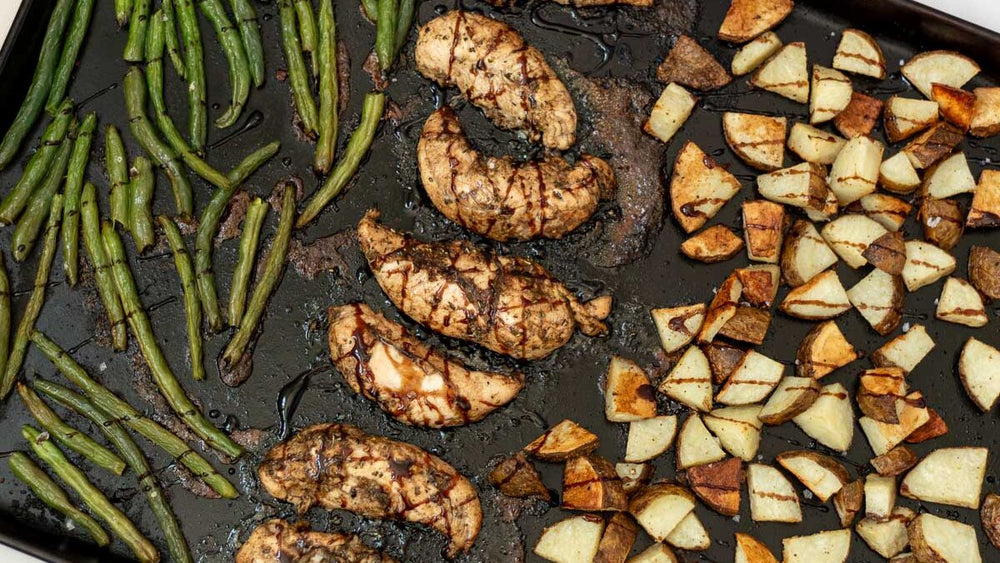
Look for simple one-dish meals like:
- Chicken and rice
- Vegetable-based pasta dishes
- Stir-fries with lean protein and low-acid sauces
- Egg-based dishes like quiche
For GERD, aim for meals that are:
- Lower in fat
- Mildly seasoned
- Balanced with protein, carbohydrates, and vegetables
These types of meals are often easier to tolerate and help prevent symptoms triggered by heavier, more complex dishes.
Stock Your Pantry and Refrigerator Smartly
If you don’t have time to prepare meals for the entire week—or just aren’t in the mood for what you planned—having a well-stocked kitchen can help you avoid the drive-thru.
Keeping simple, GERD-friendly staples on hand makes it easier to build quick meals, such as:
- Frozen vegetables (a great alternative to canned options with less added sodium)
- Pasta or rice
- Eggs
- Tuna or other lean proteins
- Bread or wraps
- Mild cheeses (if tolerated)
- Simple pancake or baking mixes
With just a few staple ingredients, you can create a variety of meals that are both convenient and easier on digestion.
Use Your Kitchen Equipment to Your Advantage
Kitchen tools like slow cookers and Instant Pots can be incredibly helpful when time is limited.
Preparing a meal in advance and storing it in a freezer bag lets you cook it when needed. Slow cookers are especially helpful for creating tender, easy-to-digest meals, while pressure cookers can speed up cooking time without sacrificing nutrition.
For GERD-friendly cooking, these methods can also help:
- Reduce the need for added fats
- Create softer textures that are easier to tolerate
- Allow flavors to develop without relying on acidic or spicy ingredients
Final Thoughts
Cooking at home doesn’t have to be time-consuming to be effective. With a little planning and a few simple strategies, you can create meals that are not only convenient but also supportive of managing GERD symptoms.
Small, consistent changes—like prepping ahead, choosing simpler meals, and keeping the right ingredients on hand—can help you feel more in control of both your schedule and your digestive health.
We’d love to hear from you! If you have meal prep tips or favorite GERD-friendly meals, share them in the comments.
FAQs
How can meal prep help manage GERD symptoms?
Meal prep can make it easier to maintain consistent eating habits and avoid common reflux triggers. Preparing meals in advance may help reduce reliance on fast food, oversized portions, and high-fat convenience foods, all of which can contribute to GERD symptoms in some individuals.
What are some easy GERD-friendly foods to keep on hand?
Simple staples such as oatmeal, rice, pasta, eggs, frozen vegetables, lean proteins, whole-grain bread, and low-fat dairy products (if tolerated) can be used to create quick, balanced meals. Having these ingredients readily available may help reduce the temptation to choose less reflux-friendly options when time is limited.
Do I need to spend hours meal prepping to eat well with GERD?
No. Effective meal prep doesn't have to be time-consuming. Preparing a few meals ahead of time, cooking extra portions for leftovers, or stocking your kitchen with convenient staples can help support GERD-friendly eating without requiring extensive time in the kitchen.
What cooking methods are best for GERD-friendly meal preparation?
Methods such as baking, steaming, roasting, slow cooking, and pressure cooking are often well-suited for GERD-friendly meals because they typically require less added fat than frying. These techniques can also create flavorful meals without relying heavily on spicy, acidic, or high-fat ingredients.
Can meal prepping help prevent overeating?
For many people, yes. Having planned meals and snacks available throughout the day may help reduce excessive hunger and make portion control easier. Since overeating is a common trigger for acid reflux symptoms, regular meal planning can be a useful strategy for managing GERD.













 Recipes
 Products

Comments
Join The Conversation...