



Eosinophilic Esophagitis (EoE): Understanding the Connection Between Food Allergies and Acid Reflux
Eosinophilic Esophagitis, commonly referred to as EoE, is a chronic allergic and immune-mediated condition that impairs esophageal function.
Eosinophils are a specific type of disease-fighting white blood cell. Under normal circumstances, these cells help the body respond to parasitic infections, allergic reactions, and other immune challenges. However, when large numbers of eosinophils accumulate within the esophagus, they can trigger significant inflammation and damage.
Although EoE was first recognized as a distinct condition in the early 1990s, it is now considered one of the most common causes of swallowing difficulties and food impaction in both children and adults.
The Complicated Relationship Between EoE and Acid Reflux
EoE and gastroesophageal reflux disease (GERD) have a complicated history.
For many years, people with EoE were frequently diagnosed with GERD because the symptoms can be remarkably similar. Heartburn, chest discomfort, difficulty swallowing, and food getting "stuck" can occur in both conditions.
Researchers now understand that EoE and GERD can coexist, and each condition may influence the other. Some individuals with EoE also experience GERD, and chronic reflux-related inflammation may contribute to esophageal changes that overlap with those seen in EoE. Because of this relationship, healthcare providers often need additional testing to distinguish between the two conditions.
This overlap is one reason why some individuals who do not improve with traditional acid reflux treatment may eventually undergo further evaluation and receive an EoE diagnosis.
What Happens in Eosinophilic Esophagitis?
You might be thinking, "White blood cells are supposed to be helpful."
Generally, that is true.
The problem occurs when eosinophils begin accumulating within the lining of the esophagus. This buildup can occur in response to food allergens, environmental allergens, or other immune triggers.
Over time, the resulting inflammation can cause the esophagus to become swollen, stiff, and narrowed.
This may lead to symptoms such as:
- Difficulty swallowing
- Food is becoming stuck while eating
- Chest discomfort
- Heartburn that does not respond well to reflux medications
- Regurgitation of food
- Feeding difficulties in children
In severe cases, food impaction can become a medical emergency requiring endoscopic removal.
Why Does EoE Develop?
EoE appears to be driven by an abnormal immune response.
Interestingly, diagnoses often increase during the spring and fall allergy seasons when pollen levels are highest. Researchers believe environmental allergens may contribute to inflammation in susceptible individuals.
Unlike traditional food allergies, which often cause immediate reactions, EoE reactions are delayed and may develop over several days. This delay can make identifying the offending food particularly challenging.
As a result, individuals often struggle to connect symptoms with specific foods.
Food Elimination Diets and EoE
One of the primary nutrition strategies used in EoE management is an elimination diet.
The goal is simple: remove potential trigger foods long enough for inflammation to improve, then systematically reintroduce them to identify which ones provoke symptoms.
I often tell clients that we need to allow things to calm down before we can determine exactly what is causing the problem.
Historically, the most common trigger foods include:
- Dairy products
- Wheat
- Eggs
- Soy
Depending on symptoms and provider recommendations, additional foods such as peanuts, tree nuts, fish, and shellfish may also be evaluated.
In the past, many patients followed a Six Food Elimination Diet (SFED), which removed all six major food allergen groups simultaneously. More recent approaches often start with fewer foods and escalate only if needed, making the process somewhat easier for patients while still achieving good outcomes.
Most elimination phases last approximately six to eight weeks before foods are reintroduced one at a time under medical supervision.
Why Allergy Testing Isn't Always Helpful
Many people wonder whether a skin prick test or a blood test can identify their EoE triggers.
Unfortunately, it is not that simple.
Unlike classic food allergies, EoE is not primarily driven by IgE antibodies, which are what most allergy tests measure. Because of this, skin and blood testing often fail to accurately identify foods responsible for EoE symptoms. Endoscopy with biopsy remains the gold standard for diagnosis and monitoring.
Other Treatment Options
While dietary therapy can be highly effective, it is not the only treatment option.
Current EoE management may include:
- Proton pump inhibitors (PPIs)
- Swallowed topical corticosteroids
- Dietary elimination therapy
- Biologic medications in select patients
- Elemental diets in severe or refractory cases
Elemental diets use amino acid-based formulas that contain virtually no intact proteins capable of triggering an immune response. These diets can be highly effective but are generally reserved for individuals who have not responded to other treatment approaches.
Living Well with EoE
Although EoE can feel overwhelming initially, treatment options continue to improve.
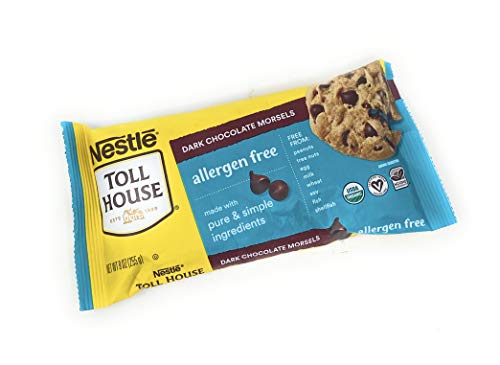
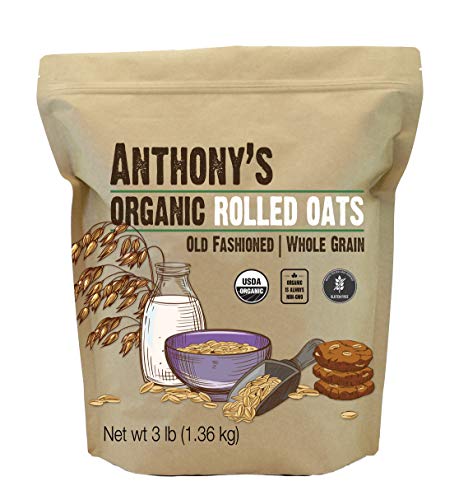
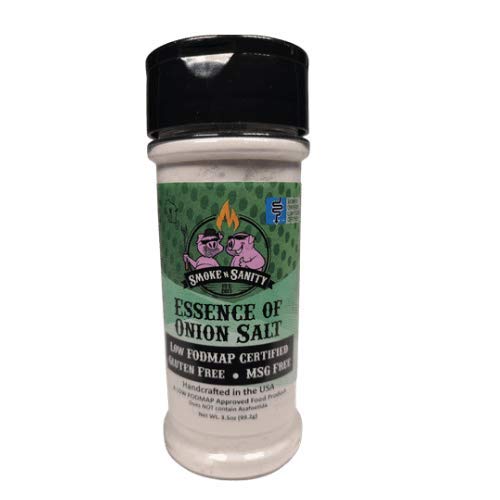
Fortunately, finding substitutes for common allergens has become much easier than it was even a decade ago. From dairy-free yogurts and milk alternatives to allergen-friendly baked goods and condiments, there are now countless products available to help people maintain variety in their diets.
The goal of treatment is not simply to avoid symptoms—it is to reduce inflammation, protect the esophagus, and improve quality of life.
When your esophagus is angry, there are solutions available to help you feel better and continue enjoying food.
Frequently Asked Questions
Is EoE the same thing as acid reflux?
No. EoE and GERD are separate conditions, although they can cause similar symptoms and sometimes occur together. EoE is an immune-mediated disease involving eosinophils, while GERD is caused by stomach contents refluxing into the esophagus.
Can EoE cause heartburn?
Yes. Many people with EoE experience heartburn, chest discomfort, or reflux-like symptoms, which is one reason the condition is sometimes mistaken for GERD.
What foods most commonly trigger EoE?
Dairy, wheat, eggs, and soy are among the most common food triggers. However, triggers vary significantly from person to person.
How is EoE diagnosed?
Diagnosis requires an upper endoscopy with biopsy. A healthcare provider examines tissue samples from the esophagus to identify elevated eosinophil counts.
Can EoE be cured?
Currently, there is no cure for EoE. However, medications, dietary therapy, and other treatments can successfully manage symptoms and reduce inflammation in many individuals.
- Eluri, S. (2025, February 19). A look at the updated ACG eosinophilic esophagitis clinical guidelines. American College of Gastroenterology. https://gi.org/journals-publications/ebgi/eluri_feb2025/
- Mayo Foundation for Medical Education and Research. (2024, July 2). Eosinophilic esophagitis. Mayo Clinic. https://www.mayoclinic.org/diseases-conditions/eosinophilic-esophagitis/symptoms-causes/syc-20372197
- Mayo Foundation for Medical Education and Research. (2017, November 17). Use of dietary strategies in treating eosinophilic esophagitis. Mayo Clinic. https://www.mayoclinic.org/medical-professionals/digestive-diseases/news/use-of-dietary-strategies-in-treating-eoe/mac-20431442
- Spechler S. J. (2019). Gastroesophageal Reflux Disease and Eosinophilic Esophagitis. Gastroenterology & hepatology, 15(2), 111–113. https://pmc.ncbi.nlm.nih.gov/articles/PMC6469260/















 Recipes
 Products

Comments
Join The Conversation...