



Low FODMAP vs. Gluten-Free: What’s the Difference?
It has long been believed that following a Low FODMAP diet automatically means eating gluten-free. Unfortunately, this is a common misconception.
While the two diets overlap in certain foods, they are designed for very different purposes and eliminate different components of those foods.
Understanding the distinction between Low FODMAP and gluten-free eating patterns can help individuals with IBS, IBD, celiac disease, and other gastrointestinal concerns make more informed nutrition choices without becoming unnecessarily restrictive.
What Is the Low FODMAP Diet?
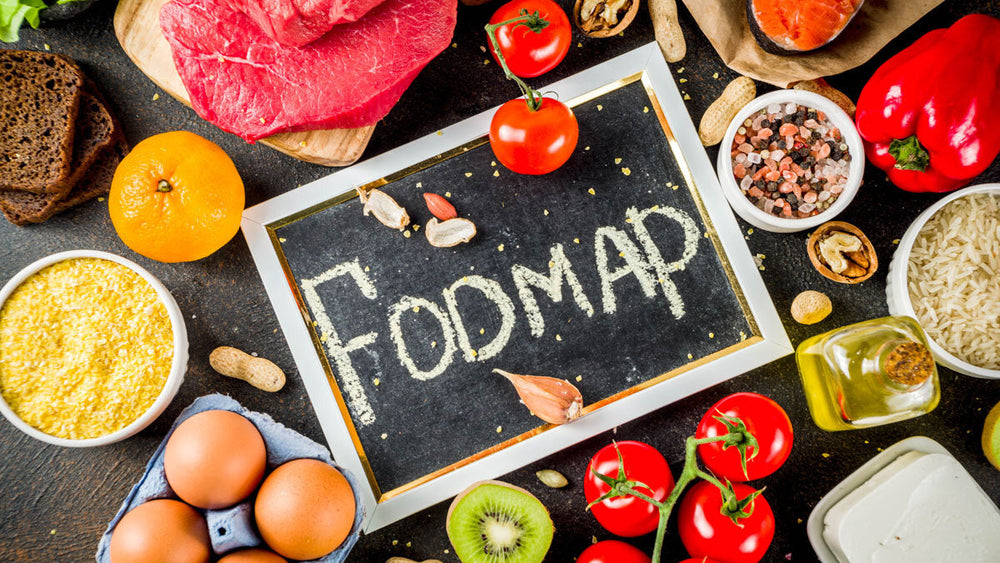
The Low FODMAP diet is designed to temporarily reduce intake of foods high in fermentable carbohydrates, known as FODMAPs.
FODMAP stands for:
- Fermentable
- Oligosaccharides
- Disaccharides
- Monosaccharides
- And
- Polyols
These carbohydrates may be poorly absorbed in the small intestine and fermented in the colon, potentially contributing to digestive symptoms such as:
- Gas
- Bloating
- Abdominal pain
- Diarrhea
- Constipation
The Low FODMAP diet is often used as a therapeutic approach for individuals with irritable bowel syndrome (IBS) and certain other gastrointestinal disorders.
What Is a Gluten-Free Diet?
A gluten-free diet eliminates all sources of gluten, a naturally occurring protein found in:
- Wheat
- Barley
- Rye
Gluten is commonly used in foods to provide texture, structure, and elasticity.
A strict gluten-free diet is medically necessary for individuals with celiac disease, an autoimmune condition in which gluten triggers immune-mediated damage to the lining of the small intestine.
Why Do People Confuse Low FODMAP and Gluten-Free?
The confusion often happens because wheat, barley, and rye contain both gluten and fructans.
Fructans are a type of oligosaccharide (a FODMAP carbohydrate) that can trigger digestive symptoms in sensitive individuals.
Because many gluten-containing foods are also high in fructans, removing high FODMAP foods may naturally reduce gluten intake—even though gluten itself is not the primary target of the Low FODMAP diet.
Fructans vs. Gluten: What’s the Difference?
Fructans
Fructans are carbohydrates composed of chains of fructose molecules. They are fermented by gut bacteria in the large intestine and may contribute to symptoms like bloating, gas, abdominal discomfort, diarrhea, and constipation.
Gluten
Gluten is a protein, not a carbohydrate. For individuals with celiac disease, gluten triggers an inflammatory immune response that damages the small intestine.
This distinction is important because many individuals who believe they are “gluten sensitive” may actually be reacting more strongly to fructans rather than gluten itself.
Can You Eat Gluten on a Low FODMAP Diet?
Yes—some foods can contain gluten while still being considered Low FODMAP in certain serving sizes.
Examples include:
- Sourdough bread made from spelt or wheat
- Soy sauce (up to approximately 2 tablespoons)
- Certain Low FODMAP specialty products contain small amounts of gluten
This is one reason why Low FODMAP and gluten-free diets are not interchangeable.
Can You Eat High FODMAP Foods on a Gluten-Free Diet?
Absolutely.
A food can be completely gluten-free while still containing high amounts of FODMAPs.
Examples of gluten-free foods that may still be high FODMAP include:
- Chickpea flour
- Coconut flour
- Soy flour
- Honey
- Agave syrup
- Molasses
- Inulin and chicory root
- Dried fruits like dates and mango
- Garlic
- Artichokes
- Cherries
This is why individuals following a gluten-free diet may still experience digestive symptoms if FODMAP intake remains high.
What Does the Research Show?
Multiple studies have demonstrated that Low FODMAP diets may help reduce gastrointestinal symptoms in both celiac and non-celiac populations experiencing IBS-like symptoms.
One double-blind, placebo-controlled randomized clinical trial found that fructans—not gluten—were more likely to exacerbate symptoms in many individuals with IBS.
Avoid Becoming Overly Restrictive
If you do not have celiac disease but do struggle with IBS or IBD symptoms, a Low FODMAP approach may be more appropriate than unnecessarily eliminating all gluten-containing foods.
Because the elimination phase of the Low FODMAP diet already restricts many foods, adding unnecessary restrictions may increase the risk of nutrient deficiencies and make the diet more difficult to sustain over the long term.
The challenge and reintroduction phases of the Low FODMAP diet are important for identifying personal tolerances and expanding food variety whenever possible.
Work With a Qualified Professional
Navigating IBS, IBD, food intolerances, and elimination diets can feel overwhelming.
Working with a Registered Dietitian Nutritionist (RDN)—particularly one trained in the Monash Low FODMAP approach—may help ensure the diet is followed appropriately while supporting nutritional adequacy and long-term gut health.
If you suspect celiac disease, it is important to speak with your healthcare provider before starting a gluten-free diet, since eliminating gluten before testing may interfere with diagnostic accuracy.
- Biesiekierski, J. R., Peters, S. L., Newnham, E. D., Rosella, O., Muir, J. G., & Gibson, P. R. (2013). No effects of gluten in patients with self-reported non-celiac gluten sensitivity after dietary reduction of fermentable, poorly absorbed, short-chain carbohydrates. Gastroenterology, 145(2), 320–328.e3. https://doi.org/10.1053/j.gastro.2013.04.051
- Celiac Disease Foundation. (2024). What is celiac disease? https://celiac.org
- Mohseni, F., Agah, S., Ebrahimi-Daryani, N., Taher, M., Nattagh-Eshtivani, E., Karimi, S., Rastgoo, S., Bourbour, F., & Hekmatdoost, A. (2022). The effect of low FODMAP diet with and without gluten on irritable bowel syndrome: A double blind, placebo controlled randomized clinical trial. Clinical Nutrition ESPEN, 47, 45–50. https://doi.org/10.1016/j.clnesp.2021.12.019
- Monash University. (2025). The low FODMAP diet. https://www.monashfodmap.com
- Naseri, K., Dabiri, H., Rostami-Nejad, M., et al. (2021). Influence of low FODMAP-gluten free diet on gut microbiota alterations and symptom severity in Iranian patients with irritable bowel syndrome. BMC Gastroenterology, 21, 292. https://doi.org/10.1186/s12876-021-01868-5
- Nordin, E., Brunius, C., Landberg, R., & Hellström, P. M. (2021). FODMAPs, but not gluten, elicit modest symptoms of irritable bowel syndrome: A double-blind, placebo-controlled, randomized three-way crossover trial. The American Journal of Clinical Nutrition, 114(4), 1438–1448. https://doi.org/10.1093/ajcn/nqab143
- Skodje, G. I., Sarna, V. K., Minelle, I. H., Rolfsen, K. L., Muir, J. G., Gibson, P. R., et al. (2018). Fructan, rather than gluten, induces symptoms in patients with self-reported non-celiac gluten sensitivity. Gastroenterology, 154(3), 529–539.e2. https://doi.org/10.1053/j.gastro.2017.10.040
- van Megen, F., Skodje, G. I., Lergenmuller, S., Zühlke, S., Aabakken, L., Veierød, M. B., Henriksen, C., & Lundin, K. E. A. (2022). A low FODMAP diet reduces symptoms in treated celiac patients with ongoing symptoms—A randomized controlled trial. Clinical Gastroenterology and Hepatology. Advance online publication. https://doi.org/10.1016/j.cgh.2022.01.011













 Recipes
 Products

Comments
Shirley
10/21/2025 at 10:41 AM
My husband has ibs , and things on low fodmap diet still upset his ibs
Join The Conversation...