



Can Your Home Be Too Clean for a Healthy Gut?
Grab your gloves, readjust your masks, and don your goggles; it’s about to get clean in here! Today, we’re diving into a world of Lysol, Clorox, microbes, and bacteria in order to answer a perplexing question: can being too clean affect the gut microbiome?
If you're curious about cleanliness, keep an eye out for clean-component fun facts throughout the article!
What Is the Hygiene Hypothesis?
According to the Encyclopedia of Infection and Immunity, the hygiene hypothesis proposes that increased exposure to microbes early in life can prevent diseases (specifically allergies and autoimmune diseases). This hypothesis further posits that the rising prevalence of autoimmune diseases and allergies is directly linked to reduced exposure to microbes.
So, what does that mean?
Remember when you were a kid and you’d go outside, roll around in the mud, and drink from a water hose? When you came inside, did you wash your hands? Did your mom make you use hand sanitizer? Chances are, probably not.
Nowadays, children are exposed to numerous cleaning materials, all designed to create a sterile, germ-free environment. This change in cleaning behavior directly influences and supports the Hygiene Hypothesis.
Clean Component #1 - Water hoses left outside can harbor millions of bacteria. E. coli has been measured in water hoses left outside in temperatures between 34 and 98.6 degrees Fahrenheit.
Why Microbial Exposure Matters for the Gut Microbiome
Cleanliness may be next to godliness when it comes to hygiene, but it can also wreak havoc on your gut. Your digestive tract (mouth, esophagus, stomach, small intestine, large intestine, and colon) has loads of bacteria, generally referred to as “good” bacteria. When harmful bacteria enter the digestive tract and outnumber the good ones, they can contribute to digestive conditions such as GERD and IBS. A proper balance of these microbes, called homeostasis, is vital to proper gut health.
Believe it or not, exposure to bad bacteria can be good. When bad bacteria enter the gut microbiome, good bacteria help stimulate the immune system. White blood cells and other helpful cells from the immune system can recognize the bad bacteria and help create defenses within your body to prevent you from getting sick in the future.
Clean Component #2 - One type of bacteria, Staphylococcus aureus, can live within the digestive tract at low levels without causing harm. When the bacteria increase, they can cause symptoms ranging from pimples to pneumonia.
Reduction of Microbial Diversity Through Ancient and Modern Cleaning Methods
Since the invention of Bon Ami in 1886, we have been waging war against harmful bacteria. The invention of Lysol in 1889, Clorox in 1913, and Tide in 1942 further added to our cleaning arsenal. These products help create a sparkling clean home, but when used improperly, they can leave a sparkling clean gut biome too, which is not a good thing (see below).
Prior to these inventions, most people relied on water and soap for disinfection. Heat was also commonly used as a disinfectant, as diseased bodies were typically burned outside of town to prevent others from getting sick. The first chemical disinfectants were primarily composed of sulfur, mercury, and copper. These cleaning methods may have been primitive, but they did complete their mission. However, the side effects of ingesting these materials could be more harmful than the original bacteria!
No matter what cleaning method is used, as homes are disinfected to the extreme, the chance of encountering the bacteria needed to bolster the immune system dwindles. Without these defenses, people (especially children) will get sick faster and more often.
Clean Component #3 - Lysol was originally marketed to housewives as a feminine hygiene product, but was reported to cause inflammation, burning sensations, and death when used in this manner.
Oversanitation and Immune System Balance
Modern cleaners clean too well. Ancient remedies could disinfect, but left users with horrid side effects. What’s the solution? The answer is simple: balance.
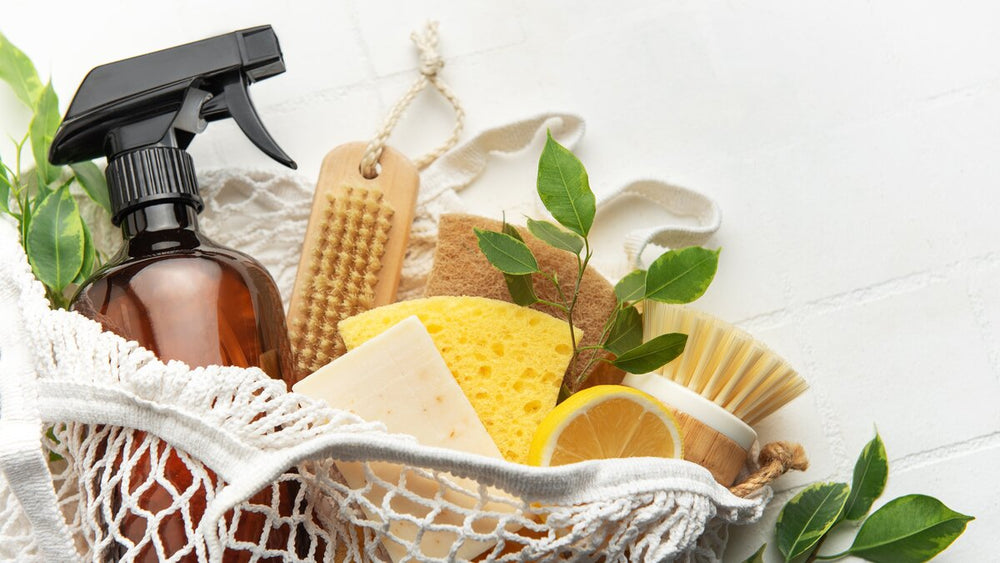
Use cleaning products properly throughout the home. Ensure the room is well-ventilated before using the cleaning product, and follow the directions on the bottle/can. Here’s a suggestion for a healthy cleaning guide according to experts Becky Rapinchuk and Jason Tetro:
Item | When to Clean
Disinfect the Sinks (Bathroom and Kitchen) | Every day
Vacuum/Mop/Steam Floors | Every week to two weeks
Wipe Doorknobs/Other Commonly-Used Surfaces | Once a week
Clean the Bathroom | Once a week
Disinfect the Sinks (Bathroom and Kitchen) | Every day
Vacuum/Mop/Steam Floors | Every week to two weeks
Wipe Doorknobs/Other Commonly-Used Surfaces | Once a week
Clean the Bathroom | Once a week
Routine cleaning is an important part of preventing illness. However, some researchers suggest that creating overly sterile environments—particularly during early childhood—may reduce opportunities for beneficial microbial exposure. More research is needed to understand how household cleaning practices influence the gut microbiome.
Clean Component #4 - UV light is another disinfectant. UV-C light can cause chemicals in RNA and DNA to fuse in bacteria and viruses, preventing them from multiplying.
Finding a Healthy Balance Between Hygiene and Microbial Exposure
How do you know when you’ve achieved a balance between hygiene and microbial exposure? Keep an eye on your health!
Talk to your doctor about any unpleasant digestion-related health issues you may be experiencing (bloating, inflammation, acid reflux, diarrhea, constipation, etc.). They may recommend some over-the-counter products or prescription medications to help restore your gut biome. Additionally, some labs offer stool tests to assess the health of your digestive tract. Your healthcare provider can order these tests, along with blood and breath tests.
If you’re worried your cleaning regimen may include harsh chemicals that are endangering the good bacteria in your system, check the labels! Look for products with the Safer Choice logo. You can also use this website to see if your favorite products make the cut!
Clean Component #5 - Bathing wasn't considered part of an everyday routine until 1926!
Do you have any questions about maintaining healthy gut flora? Do you have questions about safe cleaning products? Let us know in the comments below and feel free to reach out to us on social media!
FAQs
What is the hygiene hypothesis?
The hygiene hypothesis is a scientific theory suggesting that reduced exposure to certain microbes during early childhood may influence immune system development. Researchers continue to study how microbial exposure affects allergies, autoimmune diseases, and the gut microbiome, although the relationship is complex and still evolving.
Does cleaning your home harm your gut microbiome?
No. Regular cleaning is important for preventing the spread of harmful germs and reducing the risk of illness. The concern isn't routine cleaning itself, but whether excessive efforts to eliminate all microbial exposure—particularly during childhood—may affect microbiome diversity. More research is needed to fully understand this relationship.
How does microbial exposure support gut health?
Your gut naturally contains trillions of microorganisms that help digest food, produce certain vitamins, and support immune function. Exposure to a variety of environmental microbes throughout life may help maintain microbial diversity and contribute to healthy immune system development.
Should I stop using disinfectants to protect my gut microbiome?
No. Disinfectants play an important role in preventing the spread of infectious diseases, especially when used appropriately in kitchens, bathrooms, and after illness. Rather than avoiding cleaning products altogether, experts recommend using them as directed while also spending time outdoors, eating a fiber-rich diet, and maintaining other healthy lifestyle habits that support a diverse gut microbiome.
References
1Rezaei, N., et al. (2022). Encyclopedia of Infection and Immunity, Science Direct, https://www.sciencedirect.com/topics/medicine-and-dentistry/hygiene-hypothesis
2Vicidomimi, A. (2017). The effects of temperature on bacterial numbers found in garden hose water, Governor’s State University, https://opus.govst.edu/research_day/2017/Poster_sessions/8/
3Yttri, J. (2026). Bacteria: The good, the bad, and the ugly, National Center for Health Research, https://www.center4research.org/bacteria-good-bad-ugly/
4Lehn & Fink Products. (2026). Lysol bottle, OSHU Digital Collections, https://digitalcollections.ohsu.edu/record/42262
5The Clorox Company (2026). Tracing 100+ years of the Clorox company story: A century marked by meaningful contributions, The Clorox Company, https://www.thecloroxcompany.com/company/our-story/timeline/
6American Cleaning Institute. (2026). 100 years of cleaning progress: A journey through the last century of cleaning, ACI, https://www.cleaninginstitute.org/about-aci/anniversary/100-years-cleaning-progress
7Manning-Schaffel, V. (2018). How often you should wash everything in your home, according to science, Better by Today, https://www.nbcnews.com/better/pop-culture/how-often-you-should-wash-everything-your-home-according-science-ncna826271
8Allegri, T. (2024). Shedding light on healthcare’s disinfecting solution, UV Smart, https://www.uvsmart.nl/articles/a-new-light-in-healthcares-disinfection
9Search Products that Meet the Safer Choice Standard. United States Environmental Protection Agency. (n.d.). https://www.epa.gov/saferchoice












 Recipes
 Products
Comments
Join The Conversation...