



Why Social Events Can Trigger IBS Symptoms
Navigating social calendars when your gut has other plans

And then the “what ifs” start creeping in:
- "What if I can’t find a bathroom when I need one?"
- "What if my symptoms get worse while I'm away from home?"
- "What if I'm not near a doctor?"
It’s a lot. And the uncertainty, combined with the very real physical symptoms of IBS, can turn what should be an exciting or enjoyable experience into something filled with stress and anxiety.
Social-event related triggers of anxiety in patients with IBS
What the research says:
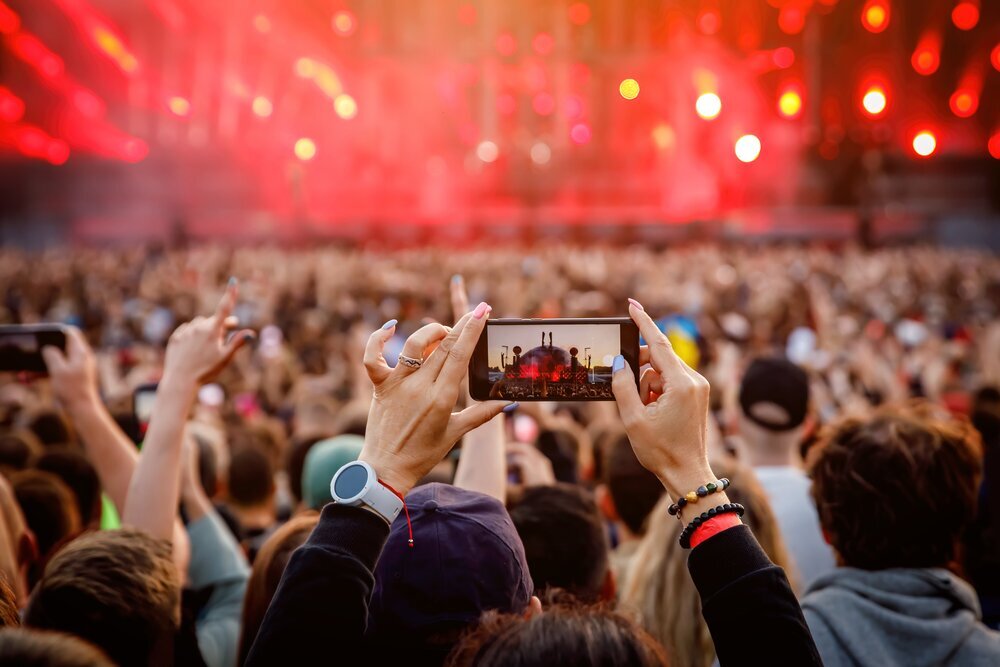
Social Dining and Recreation Anxiety: A prospective survey of 100 individuals with IBS and 100 healthy controls found that social situations and dining at large events elicited the highest levels of anxiety among those with IBS because of concerns surrounding eating and anticipating urgent bathroom access after meals.
Examples of socially related anxiety triggers include:
- Walking outdoors in public areas
- Long-distance traveling
- Formal settings (weddings, parties, and conventions)
- Meeting friends or dating in public places (restaurants)
- Visiting a friend's apartment
- Eating at social events
- Being a part of a large crowd
Why social events can be stressful when managing IBS
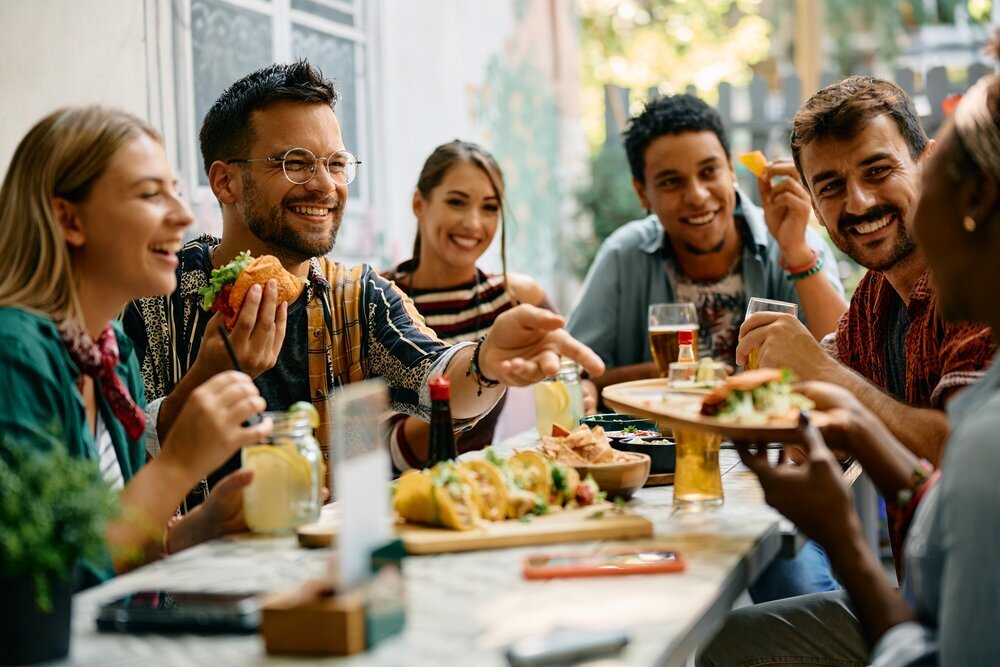
Here is a simplified breakdown of why these situations cause stress:
Key stress factors:
Key stress factors:
- Uncertainty: Not knowing what food will be served or where the nearest restroom is located creates fear that a restroom will not be accessible or available in the event of an IBS flare. This often causes people with IBS to withdraw from social activities and avoid big events.
- Unfamiliar foods: Many food choices at large events involve "mystery ingredients" (like garlic or onions), which can cause stomach discomfort and trigger IBS symptoms. People with IBS often have to worry about what foods are safe and what ingredients are in their meals when traveling or at an event.
- Fear of judgment over dietary needs: Because dietary needs for IBS vary widely from person to person, individuals often have to be especially mindful when selecting foods to manage their symptoms. This can make eating in social situations stressful, especially if they feel like requesting modifications might make them seem difficult or different.
- Fear of accidents: Anticipating a sudden flare-up or urgent need for a restroom while being trapped in a long car ride or in a crowded place can make people feel anxious and on edge. They may worry about having an accident and the embarrassment it would cause, which can make social outings or travel feel overwhelming.
- Social stigma: Many people with IBS worry about being negatively judged or perceived as “disgusting” or unhygienic. Research reveals that people with IBS often report feeling invalidated by others who suggest their symptoms are self-inflicted or "all in their head," which can add to the emotional burden of the disease.
- Schedule disruptions: People with IBS may worry that sudden symptoms could disrupt plans or schedules for others. They might feel anxious about canceling or leaving early, torn between attending and potentially inconveniencing others or staying home to avoid causing disruption.
The brain-gut connection and stress
IBS is characterized by unusual visceral hypersensitivity and is closely linked to the gut–brain axis, a major pathway connecting the nervous and digestive systems.
Here is why stress and anxiety can sometimes trigger IBS symptoms:
Here is why stress and anxiety can sometimes trigger IBS symptoms:
- Stress activates the hypothalamic-pituitary-adrenal axis (HPA), which leads to the release of cortisol.
- High levels of cortisol can change the environment of the gut and affect multiple gastrointestinal functions such as intestinal permeability, digestive function, motility, gut microbiota, sensitivity, and secretion.
- High stress alters gut microbiota, which can lead to digestive symptoms like abdominal pain, bloating, and changes in bowel habits.
- Gut microbiome changes influence emotional processing and brain function, often amplifying emotional responses and increasing the risk for depression and anxiety.
- Depression and anxiety contribute to the worsening and persistence of gut-related issues, increasing the gut's sensitivity and making it more reactive when stressed by social situations.
How to Manage IBS Social Anxiety: A Guide for Dining and Travel
Helpful strategies for dining with IBS:
- Research menus ahead of time: Many restaurants have their menus posted online or available on their website. That way, you can preview the options to identify IBS-friendly foods and avoid trigger foods. If you are unsure about the ingredients in a dish, contact the restaurant and ask how the dish is prepared.
- Request dietary modifications: Communicate with your server to request any modifications for a specific dish. Most restaurants are happy to accommodate dietary restrictions.
- Limit alcohol and stay hydrated: Alcohol can irritate the gut and increase the risk of heartburn. Avoid alcohol and drink plenty of water to help your body absorb important nutrients and prevent constipation.
- Be transparent about your IBS: Let your trusted friends or companions know about your IBS and specific needs or concerns you have.
- Carry an emergency kit: Be prepared by keeping any medications, supplements, or essentials you may need to manage symptoms easily accessible, such as antispasmodics, pain relievers, a change of clothing or underwear, peppermint oil capsules, or a heating pad.
Helpful strategies for big events:
- Book aisle seats or positions near exits: Have an escape planned in case your symptoms become intolerable. The certainty of an escape route reduces the anxiety that triggers a sense of urgency.
- Eat a familiar meal beforehand: If food is being served at a large event, try eating a small, IBS-friendly meal beforehand so you’re less likely to overeat or eat foods that might trigger symptoms.
- Avoid caffeine and high-fat foods: Caffeine and high-fat foods stimulate gut motility and can cause painful contractions in IBS after eating. Stick to low-fat foods to avoid digestive discomfort and flatulence during an event.
-
Practice Gut-Focused Cognitive-Behavioral Therapy to reduce catastrophic thinking: Research suggests that catastrophizing social events (e.g., "What if I can't get to a bathroom and have an accident in front of everyone?") triggers physical symptoms. In other words, thinking of the worst-case scenario often leads to anxiety that makes the gut hyperaroused and triggers the very symptoms you were afraid of in the first place!
- Practicing cognitive restructuring can help ease your anxiety about IBS and avoid symptoms during an event.
- Example of a restructured thought: "I have a medical emergency 'pass' I can use verbally, and I have a physical backup kit in my bag. I am not helpless."
- Have an exit strategy: If your symptoms start to feel overwhelming, it’s absolutely okay to step away and head out early. Give yourself credit for showing up! You did it! That’s something to be proud of, and it makes the next time feel a little easier, too.
Helpful strategies for traveling with IBS:
-
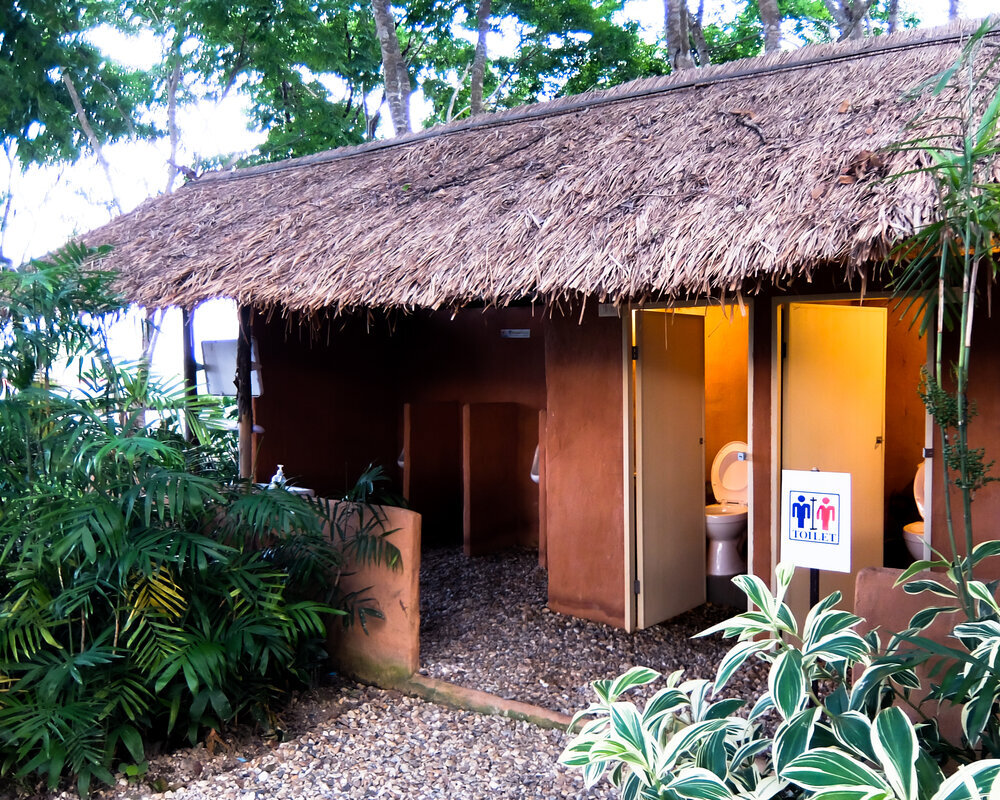
Use public restroom finder apps to plan ahead for restroom access: Map out restrooms in advance. Research the locations of restrooms along your route or at your destination. When flying, choose an aisle seat near a restroom. A number of apps are available below to help you locate public restrooms:
- We Can't Wait: Created by the Crohn's & Colitis Foundation, this app includes a digital access card that helps you quickly find businesses that allow people with IBS or IBD to use their restrooms.
- GoHere: A bathroom locator app that helps you find available bathrooms during long road trips.
- SitOrSquat: A crowd-sourced app where users rate public restrooms based on how clean they are and what amenities they offer. This will help locate well-maintained bathrooms and ensure sanitary conditions for those with IBS.
- Volunteer to drive: Being the driver puts you in control of the schedule and allows you to decide when and where to stop for bathroom breaks.
- Pack IBS-friendly snacks: Bring your "safe" snacks with you to avoid relying on airport meals or rest stop food options. Avoid overeating before and during travel, and choose light foods that will not cause gas, bloating, or discomfort.
- Use a Gut-Directed Hypnotherapy Mobile App: Travel can be stressful because of long TSA lines, possible flight delays, extended car rides, or uncertainty about reaching the final destination. Nerva is a six-week digital self-management and well-being program that uses gut-directed hypnotherapy to help you manage IBS symptoms by calming the gut-brain miscommunication that causes stress-related urgency.
- Start small: To ease anxiety, start with shorter trips or quick getaways. As you grow more comfortable, you can gradually work up to longer vacations. Learn your IBS patterns and triggers along the way, and build a preparation routine that works best for you.
Your gut does not own you! Don’t let it hold you back from enjoying life to the fullest. Plan ahead, manage stress, and focus on the fun. Now go out there, enjoy the event, and make it a happy, joyous occasion!
FAQs
Can stress alone trigger IBS symptoms during social events?
Yes. Stress and anxiety can activate the brain-gut axis, increasing gut sensitivity, changing intestinal motility, and contributing to symptoms such as abdominal pain, bloating, diarrhea, or constipation. For many people with IBS, emotional stress is just as important to manage as dietary triggers.
How can I eat out with IBS without worrying about a flare-up?
Planning ahead can make dining out much less stressful. Review restaurant menus before you arrive, choose familiar foods when possible, request ingredient modifications if needed, and don't hesitate to communicate your dietary needs with restaurant staff.
What should I pack when traveling with IBS?
Consider bringing IBS-friendly snacks, any prescribed medications or supplements, a refillable water bottle, and an emergency kit with essentials such as a change of clothing, if it provides peace of mind. Planning restroom locations in advance and choosing aisle seats when traveling can also help reduce anxiety.
Can therapy help reduce IBS-related social anxiety?
Yes. Research supports gut-directed psychological therapies, including cognitive behavioral therapy (CBT) and gut-directed hypnotherapy, as effective tools for reducing IBS symptom severity and the anxiety that often accompanies social situations and travel.
References
1Chuhunov, V. V., Horodokin, A. D., Kazakov, V. Y., & Havrish, O. V. (2023). Trigger survey approach to the evaluation of anxiety in patients with irritable bowel syndrome. Zaporozhye Medical Journal, 25(5), 434–438. https://doi.org/10.14739/2310-1210.2023.5.279174
2Kuliaviene, I., Gelman, S., & Kupcinskas, J. (2023). Patient-Physician Relationship in Irritable Bowel Syndrome: Review on Empathy and Stigma. Journal of Gastrointestinal and Liver Diseases, 33(1), 107–114. https://doi.org/10.15403/jgld-5018
3Mustafa, Y. F. (2025). When the gut Speaks: The hidden toll of irritable bowel syndrome on body and mind. Gastroenterology & Endoscopy, 3(3), 135–151. https://doi.org/10.1016/j.gande.2025.05.002
4Madison, A. A., & Bailey, M. T. (2024). Stressed to the Core: Inflammation and Intestinal Permeability Link Stress-Related Gut Microbiota Shifts to Mental Health Outcomes. Biological Psychiatry, 95(4), 339–347. https://doi.org/10.1016/j.biopsych.2023.10.014
5Mayer, E. A., Knight, R., Mazmanian, S. K., Cryan, J. F., & Tillisch, K. (2014). Gut Microbes and the Brain: Paradigm Shift in Neuroscience. Journal of Neuroscience, 34(46), 15490–15496. https://doi.org/10.1523/JNEUROSCI.3299-14.2014
6Gorelick, A. B. (2023, December 20). Avoid holiday travel ibs woes and stay comfy on the go . Nuvance Health. https://www.nuvancehealth.org/health-tips-and-news/avoid-holiday-travel-ibs-woes-and-stay-comfy-on-the-go
7Prokupek, D. (2023, May 8). Navigating social situations with IBS: Tips and coping mechanisms. Dr. Dale Prokupek. https://www.drdalemd.com/blog/2024/3/25/navigating-social-situations-with-ibs-tips-and-coping-mechanisms
8Kinsinger, S. W. (2017). Cognitive-behavioral therapy for patients with irritable bowel syndrome: Current insights. Psychology Research and Behavior Management, 10, 231–237. https://doi.org/10.2147/PRBM.S120817
9We Can’t Wait: Restroom Finder App | Crohn’s & Colitis Foundation. (n.d.). Retrieved April 3, 2026, from https://www.crohnscolitisfoundation.org/patientsandcaregivers/wecantwait


















 Recipes
 Products
Comments
Join The Conversation...