



Summer and Acid Reflux: How to Stay Active Without the Burn
Summer has arrived in all of its hot, humid glory (or at least that’s how it feels here). A quick dip in the pool is an amazing solution to these high temperatures, but would your GERD symptoms agree?
If you’re looking for cool ways to keep GERD in check, you’ve come to the right place! We’ve got some sizzling suggestions to keep your summer as comfortable as possible. As you read, look for some cool considerations to make sure your summer remains fun in the sun!
Why Some Summer Activities Can Trigger GERD
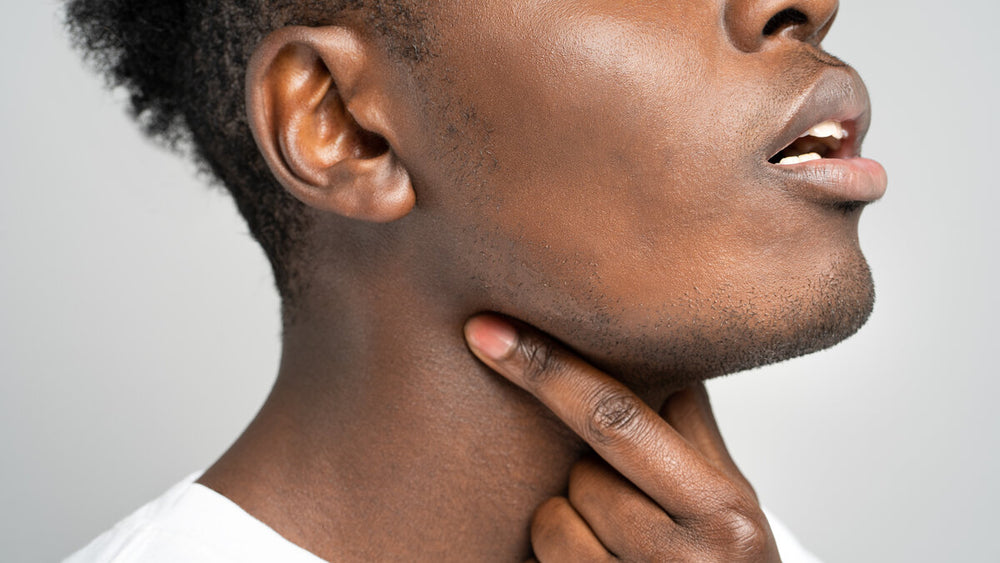
Before you learn ways to close those rings on your fitness tracker, let’s refresh ourselves on GERD, its causes, symptoms, and common remedies. GERD is an acronym for gastroesophageal reflux disease, a common condition that affects up to 20% of adults in the United States. GERD occurs when stomach acid (necessary for digesting food) moves upward into the throat, causing a burning sensation.
This feeling can also extend into the chest and cause difficulty swallowing, a dry cough, and/or asthma-like symptoms. GERD can be treated with over-the-counter medications such as antacids, but prescription medication may be needed if symptoms become unmanageable.
This feeling can also extend into the chest and cause difficulty swallowing, a dry cough, and/or asthma-like symptoms. GERD can be treated with over-the-counter medications such as antacids, but prescription medication may be needed if symptoms become unmanageable.
Cool Consideration #1 - Uncontrolled GERD can lead to serious health problems such as Barrett’s Esophagus. Talk to your doctor if you think you may have GERD.
GERD-Friendly Outdoor Activities
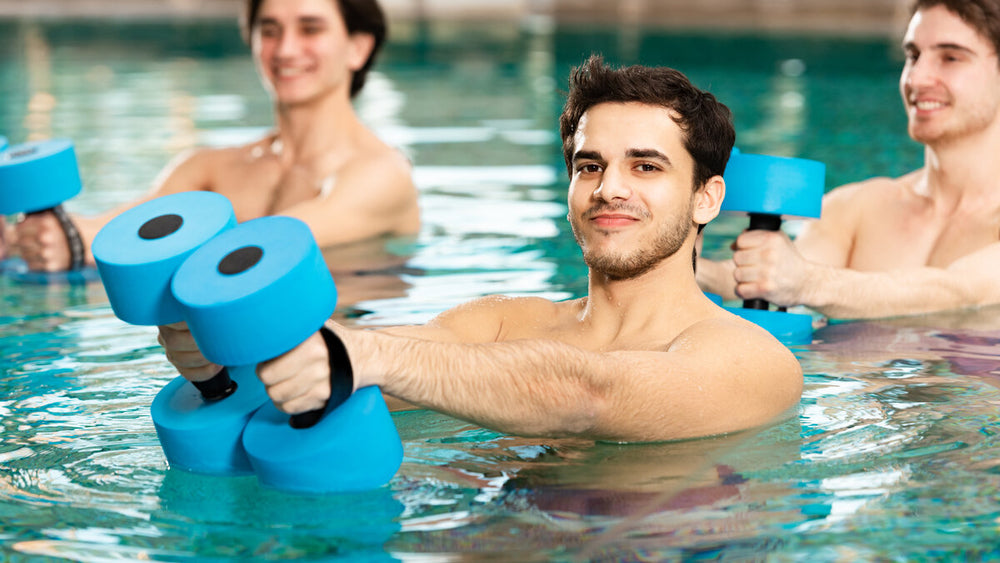
There are dozens of outdoor activities to explore during the summer, but having GERD may make the selection a little daunting. Try to choose activities that provide low to moderate exercise, such as walking, swimming, yoga, and light jogging. For those who are more adventurous, try kayaking, a light hike, or even gardening!
Cool Consideration #2 - What you wear matters! Try to avoid tight clothing during exercise to help prevent GERD. Tight clothing, especially waist trainers and compression shorts, may restrict your internal organs, leading to unpleasant GERD symptoms.
Activities That May Trigger Reflux Symptoms
Just as there are GERD-friendly activities, there are also some that are not so friendly. As you have probably guessed, any activities that involve lying down (e.g., crunches, sit-ups, etc.) or high-intensity interval training (HIIT) can exacerbate GERD symptoms, as your organs are jostled by movement. Don’t be discouraged, though! Low-impact activities like those mentioned above are excellent forms of exercise and great for your overall health.
Cool Consideration #3 - Keep a watch on the timing of your activities. Late-night adventures often include late-night snacking, which can increase your chance of GERD flare-ups. Try to avoid eating three hours before lying down to sleep to promote a heartburn-free slumber.
Tips for Preventing Reflux During Summer Activities
Here are some tips to make this time the best summer ever!
- Wait one to two hours after eating before you participate in any activities. This allows the contents of your stomach to “settle” and prevents heartburn!
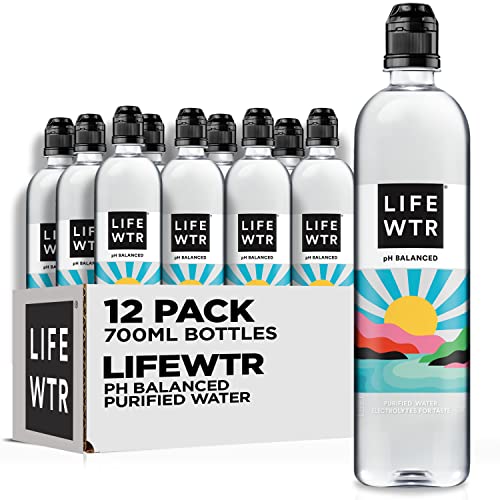
- Remember to stay hydrated. Dehydration can lead to GERD flare-ups. Try to stick with water; as any caffeinated drinks, alcoholic beverages, carbonated sodas, and citrusy refreshers can irritate the acid in your stomach.
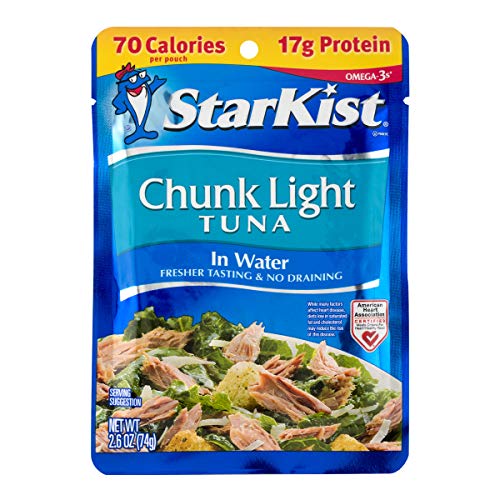
- Keep an eye on your food intake. The spicier the food, the more heartburn you may have. Swap hot dogs and hamburgers for leaner proteins like chicken or fish, and try ginger instead of hot sauce for a GERD-safe kick.
Building a GERD-Friendly Summer Routine
Remember, if you’re looking for a low-GERD summer, choose low-impact activities, stay hydrated with water, and watch what you eat. While you’re out and about, give these GERD-friendly recipes a try:
Making these simple changes can turn your summer from a bummer to a blast. How will you prevent GERD this summer? Let us know in the comments below.
FAQs
Can hot weather make GERD symptoms worse?
While heat itself does not directly cause GERD, summer habits can contribute to symptom flare-ups. Dehydration, outdoor barbecues, late-night gatherings, alcohol consumption, and eating larger meals may increase the likelihood of reflux symptoms. Staying hydrated and maintaining regular eating habits may help support symptom management during warmer months.
Is swimming a good exercise option for people with GERD?
For many individuals, swimming can be a comfortable, low-impact form of exercise that supports overall fitness. However, some people may notice symptoms when swimming immediately after eating or during vigorous workouts. Waiting at least 1–2 hours after a meal before swimming may help reduce the risk of reflux.
What are some GERD-friendly foods for summer cookouts?
Consider options such as grilled chicken, fish, turkey burgers, melon, cucumbers, green beans, corn, oatmeal-based side dishes, and non-citrus fruits. Since trigger foods vary from person to person, it may be helpful to identify which barbecue foods and beverages are best tolerated before attending summer events.
How can I prevent nighttime reflux during summer vacations and gatherings?
Try to avoid eating large meals or snacks within 2–3 hours of bedtime, especially after late-night cookouts or celebrations. Staying upright after meals, limiting alcohol, and maintaining a consistent sleep routine may help reduce the likelihood of nighttime reflux symptoms while traveling or enjoying summer activities.
References
1Medline Plus. (2026). What is GERD?, Medline Plus, https://medlineplus.gov/gerd.html
2Berg, S. (2024). What doctors wish patients knew about GERD, American Medical Association, https://www.ama-assn.org/public-health/prevention-wellness/what-doctors-wish-patients-knew-about-gerd
3Maryland Surgery Center. (2026). Activewear dos and don’ts for heartburn sufferers, Maryland Surgery Center, https://marylandsurgerycenter.com/news/activewear-dos-anddontsforheartburnsufferers
4Nathoo, S. (2022). 7 tips for exercising with GERD, Orlando Health, https://www.orlandohealth.com/content-hub/7-tips-for-exercising-with-gerd
5Palmetto ENT and Allergy. (2026). Tips to prevent reflux flare-ups as the weather warms, Palmetto ENT and Allergy, https://palmettoentallergy.com/tips-to-prevent-reflux-flare-ups-as-the-weather-warms/















 Recipes
 Products

Comments
Join The Conversation...