


A Dietitian's Guide to Vegetarian and Vegan Low FODMAP Eating
Navigating a specialized diet like the Low FODMAP diet is hard enough. Combining it with a vegan or vegetarian diet can feel like going on a road trip without a GPS. Consider this your roadmap to successfully navigate the Low FODMAP diet without compromising your health or your values.
Road Trip “Potholes” for Plant-Based Eaters
The Low FODMAP diet eliminates many fermentable carbohydrates that can trigger IBS symptoms. Unfortunately, many plant-based staples contain FODMAPs. This overlap adds a layer of complexity for plant-based eaters who are already susceptible to nutrient deficiencies. These holes include protein, iron, calcium, and vitamin B12.
Red Light Foods: High FODMAP Foods to Avoid
Some vegan protein sources must be avoided altogether due to their high FODMAP content. Unfortunately, certain soy products are off the table. This includes soya beans, silken tofu, and soy milk or yogurt made from whole soybeans. Most beans, including kidney beans and black beans, which are used in many vegetarian bean dishes, should be avoided. Lastly, cashews and pistachios are two kinds of nuts that can trigger an IBS reaction.
Yellow Light Foods: Low FODMAP Foods in Moderation
Some foods are low in FODMAPs when kept to small portions, usually about ½ of a serving. Edamame, butter beans, canned lentils, and canned chickpeas fall into this category. It is wise that, within the same meal, two or more of these foods are not combined.
Green Light Foods: FODMAP-Friendly Foods
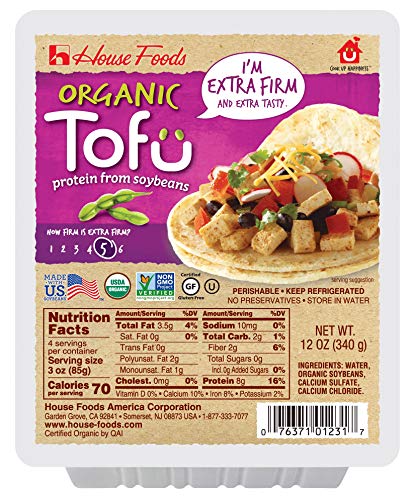
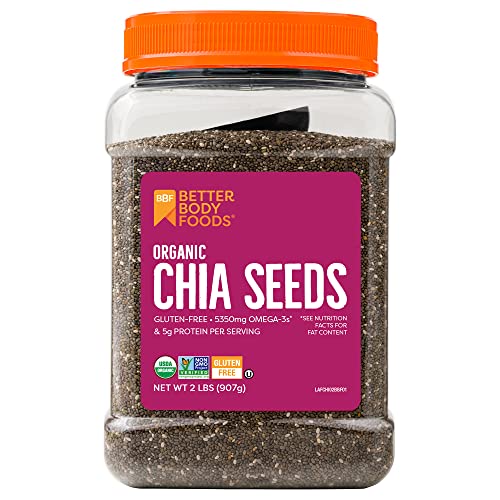
Luckily, there are some nutrient-dense foods that are safe to eat on a FODMAP diet. Specific soy products are OK. These include firm tofu, tempeh, and soy milk, made from soy protein rather than soybeans. Dairy alternatives include coconut, almond, hemp, and rice milks, as well as yogurts. Acceptable seeds include chia, pumpkin, sunflower, and sesame seeds. Buckwheat and quinoa are two grains that add some protein benefits. Safe nuts include peanuts, walnuts, and macadamia nuts. Lastly, nutritional yeast can be used as a safe vitamin B12 addition to your meals.
Example meal ideas may include:
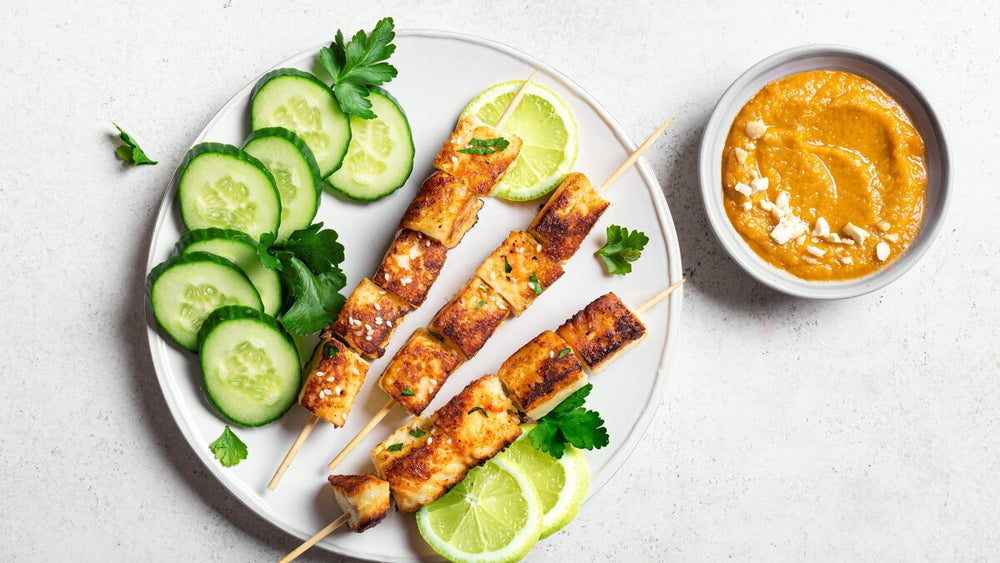
- Firm tofu (protein, calcium) with vegetables stir-fry and rice
- Quinoa (protein) salad with roasted vegetables and pumpkin seeds (protein, iron)
- Chia seed (protein, calcium) pudding made with fortified almond milk (calcium) and low FODMAP fruits
- Soy protein yogurt with peanut butter and walnuts (protein, omega-3)
- Tofu “egg” scramble (protein) with nutritional yeast (vitamin B12)
Smart Strategies for Avoiding Nutrient Potholes
To avoid digestive triggers while meeting nutrient needs, follow these top five tips.
- Pair protein sources together. Most plant-based protein sources don’t contain as much protein per serving compared to their animal food counterparts. Increase total protein content by combining two or more plant-based protein sources in each meal.
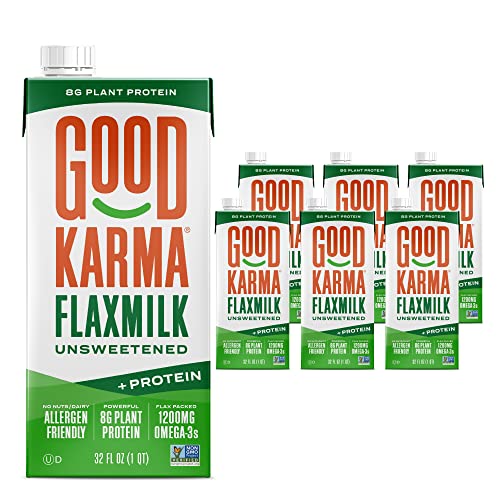
- Choose fortified foods such as calcium- and vitamin B12-enriched milk and yogurt products. Many dairy alternatives don’t naturally contain these nutrients, so it is best to look for options that have them added in.
- Create a go-to list of well-tolerated fruits and vegetables that you can add to your meals for bulk and satiety. This removes guesswork each time you grocery shop.
- Remember, the elimination phase is temporary. While you may need to avoid some foods long-term, the goal of the FODMAP diet is to temporarily avoid all FODMAP-containing foods and then reintroduce each category one by one until you identify your unique triggers.
- Work with a dietitian for personalized guidance. If you feel overwhelmed by your digestive triggers and the plant-based diet, seek support from a professional. Consider your dietitian as a backseat driver, helping you navigate the road ahead safely.
Ultimately, your gut’s response to the foods that you eat is like your internal GPS, guiding your food choices to a safe destination. Pay attention to your body’s natural speed limits, which tell you how much of certain FODMAP foods you can handle. Fuel up with the plant foods that nourish you and help you to thrive and drive!
FAQs
Can you follow a vegan or vegetarian diet while doing the Low FODMAP diet?
Yes. While combining a plant-based diet with the Low FODMAP diet can be challenging, it is possible with careful planning. FODMAP-friendly protein sources such as firm tofu, tempeh, quinoa, chia seeds, pumpkin seeds, and certain nuts can help meet nutritional needs while minimizing IBS symptoms.
What are the best Low FODMAP protein sources for vegetarians and vegans?
Some of the best options include firm tofu, tempeh, soy milk made from soy protein, quinoa, chia seeds, hemp seeds, pumpkin seeds, peanuts, walnuts, and nutritional yeast. Combining multiple plant-based protein sources throughout the day can help ensure adequate protein intake.
Are beans and lentils allowed on a Low FODMAP diet?
Some are, but portion size matters. Most beans are high in FODMAPs and are avoided during the elimination phase. However, small servings of canned lentils, canned chickpeas, edamame, and butter beans may be tolerated by some individuals because the canning process reduces certain FODMAP compounds.
How can plant-based eaters get enough calcium and vitamin B12 on a Low FODMAP diet?
Fortified plant milks, yogurts, and nutritional yeast can be excellent sources of calcium and vitamin B12. Since vitamin B12 is naturally found primarily in animal products, vegans may also benefit from discussing supplementation with a healthcare provider or registered dietitian.
Do I have to stay on the Low FODMAP elimination phase forever?
No. The elimination phase is designed to be temporary, typically lasting 2–6 weeks under professional guidance. Afterward, foods are systematically reintroduced to identify personal triggers, allowing for the most varied and nutritious diet possible while managing symptoms.










 Recipes
 Products
Comments
Join The Conversation...