


Common Pantry Foods That Can Trigger IBS and Gut Issues (And How to Spot Them)
Your pantry might be hiding unexpected gut triggers! Learn about sneaky sources of added sugars, hidden high-FODMAPs, problematic fats, and common additives in everyday food items and how to identify them for a happier, healthier gut.
Unmasking Gut Irritants: Everyday Pantry Items Causing Digestive Distress
Beyond Obvious Offenders: Unexpected Sources of Gut Problems
In today’s society, with increasing rates of IBS, IBD, and other chronic diseases, it's becoming increasingly more obvious that diet is playing a huge role in driving these conditions. So what are we consuming on a daily basis that could lead to potential problems within our guts?
Higher intakes of highly processed or ultra-processed foods that contain preservatives and emulsifiers, refined vegetable oils high in omega-6 inflammatory fatty acids, high FODMAP foods, artificial sweeteners, and acidic, spicy foods can all become potential dietary triggers for individuals prone to IBS or who have been diagnosed with IBD or other chronic diseases.
The Cumulative Effect: Small Amounts Leading to Big Issues
It’s not that all these foods are inherently bad; in very small amounts, infrequently but consistent intake over time can lead to problems in people who are more susceptible. The goal is to identify potential triggers in your diet and limit exposure to them to help soothe inflammation.
Common Hidden Gut Triggers and How to Spot Them
Sneaky Sources of Added Sugars: Feeding Bad Gut Bacteria
It has been well established that high consumption of foods with added sugars leads to adverse health consequences. But there is also more research examining artificial sweeteners and their negative effects on the gut microbiome and overall health. Sugar alcohols like erythritol, sorbitol, mannitol, etc., can cause microbial disturbances (due to poor absorption), leading to IBS-related symptoms like gas, bloating, and diarrhea. Other sources of artificial sweeteners, such as saccharin, sucralose, aspartame, neotame, and acesulfame potassium, can also lead to dysbiosis in gut bacteria, metabolic disruptions, leaky gut, and general inflammation.
Better options for gut-friendly sweeteners include stevia and monk fruit, which are considered Low FODMAP. Coconut sugar, date sugar, and raw honey are other alternatives, but use caution if you are FODMAP-intolerant.
The Lowdown on Hidden High-FODMAPs: Garlic and Onion Powder, Certain Sweeteners
As previously mentioned, certain sugar alternatives can be higher in FODMAPs, so it is key to read ingredient labels to identify sources of these. Also, other common ingredients like garlic, onion powder, wheat-based products, nuts, dried fruits, canned beans, coconut flour, or foods containing inulin or soy flour may also pose potential risks. Make sure to check the packages of crackers, pasta, protein bars, granola bars, sauces, seasoning packs, and other snack-based foods to see whether they contain these high-FODMAP ingredients.
Watch Out for Problematic Fats and Oils: Processed and Inflammatory Options
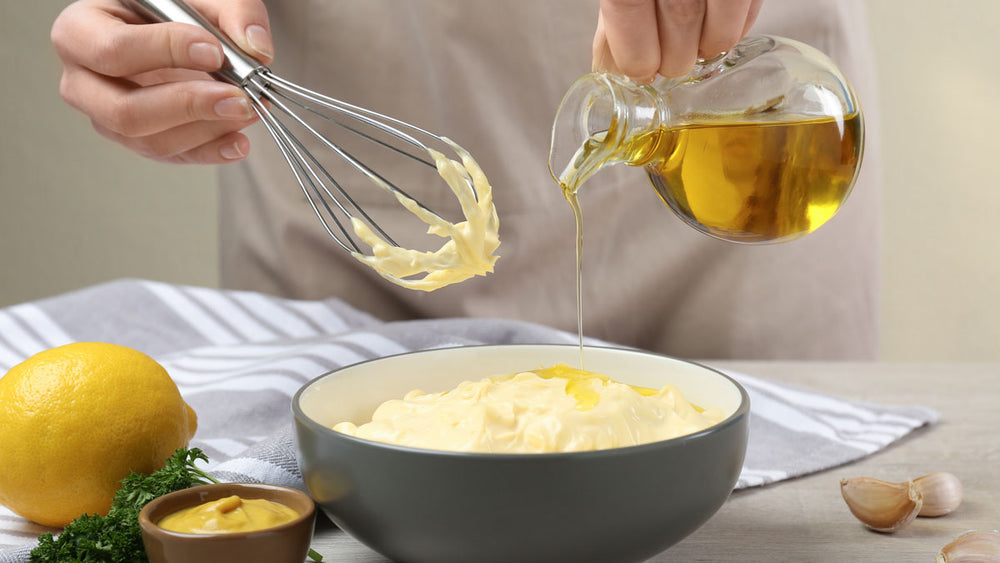
Highly processed seed oils (canola, soy, cottonseed, and corn oils) can also be problematic due to their higher levels of Omega-6 fatty acids, which are inflammatory when consumed in excess. Opt to purchase cold-pressed oils like extra-virgin olive oil and avocado oil. You may also use unrefined coconut oil in small amounts.
Try to limit butter use due to its high saturated fat content, which is linked to cardiovascular inflammation. To enhance flavor in cooking, you may try garlic or onion-infused oils, as they are Low FODMAP. I highly recommend trying Choosen or Primal Kitchen’s oil lines, as they are not mixed with filler oils like some other brands on the market.
Try to limit butter use due to its high saturated fat content, which is linked to cardiovascular inflammation. To enhance flavor in cooking, you may try garlic or onion-infused oils, as they are Low FODMAP. I highly recommend trying Choosen or Primal Kitchen’s oil lines, as they are not mixed with filler oils like some other brands on the market.
The Mystery of Additives and Preservatives: Potential Gut Sensitivities
There is a lot of hype about food additives in processed foods and their potential to cause inflammation. As a dietitian, I always recommend consuming whole foods and limiting intakes of processed foods. However, it cannot always be avoided; therefore, I recommend looking for foods with minimal ingredients and avoiding certain kinds of ingredients.
Emulsifiers such as polysorbate-80 and carboxymethylcellulose have been linked to inflammation of the gut lining, which can lead to leaky gut. Other preservatives like sodium benzoate, calcium propionate, and potassium sorbate may disrupt gut microbes, leading to dysbiosis. Flavor enhancers like MSG have been linked to gut irritation and inflammation. Some artificial colors are linked with immune sensitivities, and nitrates are linked to increased incidence of cancer.
Emulsifiers such as polysorbate-80 and carboxymethylcellulose have been linked to inflammation of the gut lining, which can lead to leaky gut. Other preservatives like sodium benzoate, calcium propionate, and potassium sorbate may disrupt gut microbes, leading to dysbiosis. Flavor enhancers like MSG have been linked to gut irritation and inflammation. Some artificial colors are linked with immune sensitivities, and nitrates are linked to increased incidence of cancer.
For more guidance on your diet and food sensitivities, please talk with a registered dietitian. They will be able to help you narrow down your food triggers and identify ingredients you need to watch out for.
FAQs
What pantry ingredients commonly trigger IBS symptoms?
Some common pantry ingredients that may trigger IBS symptoms include garlic powder, onion powder, wheat-based ingredients, inulin (chicory root fiber), sugar alcohols such as sorbitol and mannitol, and certain artificial sweeteners. These ingredients are often hidden in products like sauces, seasoning blends, protein bars, crackers, and packaged snacks, making it important to read ingredient labels carefully.
Are artificial sweeteners bad for gut health?
Not everyone reacts to artificial sweeteners the same way, but some research suggests that certain sweeteners may alter the gut microbiome and contribute to digestive symptoms such as gas, bloating, diarrhea, or abdominal discomfort. Sugar alcohols, including erythritol, sorbitol, and mannitol, are particularly known to cause gastrointestinal symptoms in sensitive individuals.
How can I identify hidden high-FODMAP ingredients on food labels?
Look for ingredients such as garlic, onion, onion powder, garlic powder, wheat flour, inulin, chicory root fiber, honey, high-fructose corn syrup, and certain sugar alcohols. These ingredients commonly appear in packaged foods, sauces, soups, seasonings, snack bars, and convenience foods, even when they are not obvious from the product name.
Do food additives and preservatives affect gut health?
Some additives and preservatives have been studied for their potential effects on the gut microbiome and intestinal barrier. Ingredients such as polysorbate-80, carboxymethylcellulose, sodium benzoate, and certain artificial colors have been associated with digestive symptoms or gut irritation in some individuals. More research is needed, but choosing foods with shorter ingredient lists and fewer additives may be beneficial for sensitive digestive systems.
How can I make my pantry more IBS-friendly?
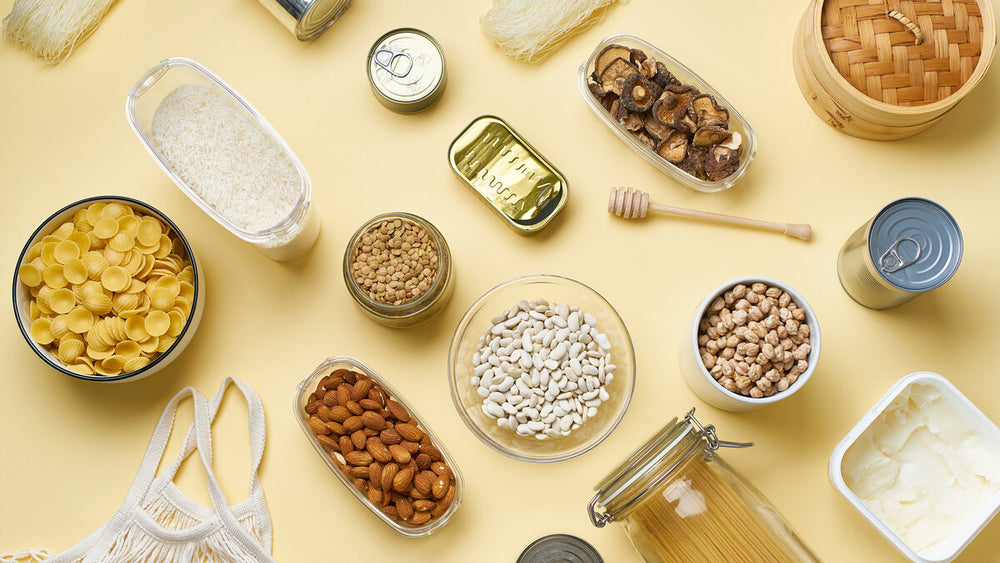
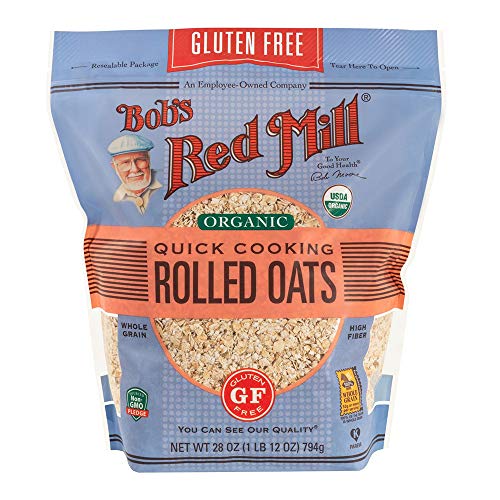
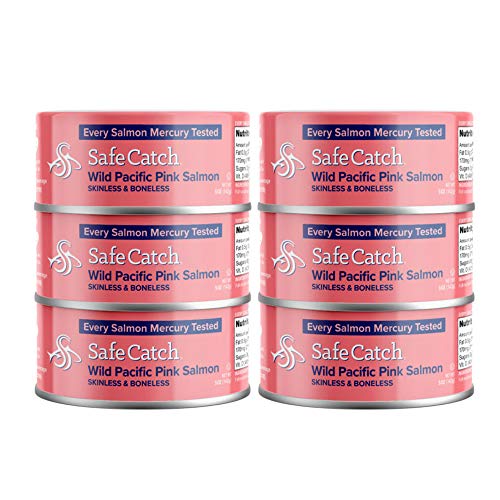
Start by stocking minimally processed foods such as plain oats, rice, quinoa, canned fish, nuts and seeds (as tolerated), Low FODMAP spices, garlic-infused olive oil, and canned or frozen fruits and vegetables that fit your individual tolerance. Replacing heavily processed snacks and convenience foods with simple, whole-food alternatives can help reduce exposure to common digestive triggers while supporting overall gut health.
References
1Sarvepalli, S. S., Vemula, S. L., Aramadaka, S., Mannam, R., Narayanan, R. S., Bansal, A., & Yanamaladoddi, V. R. (2023). Digesting the Impact of Diet on Irritable Bowel Syndrome (IBS): Exploring solutions for controlling IBS. Cureus, 15(9), e45279. https://doi.org/10.7759/cureus.45279
2M, M., & Vellapandian, C. (2024). Exploring the Long-Term Effect of Artificial Sweeteners on Metabolic Health. Cureus, 16(9), e70043. https://doi.org/10.7759/cureus.70043
3High and low Fodmap Foods. FODMAP food list | Monash FODMAP - Monash Fodmap. (n.d.). https://www.monashfodmap.com/about-fodmap-and-ibs/high-and-low-fodmap-foods/
4Selmin, O. I., Papoutsis, A. J., Hazan, S., Smith, C., Greenfield, N., Donovan, M. G., Wren, S. N., Doetschman, T. C., Snider, J. M., Snider, A. J., Chow, S. H., & Romagnolo, D. F. (2021). n-6 High Fat Diet Induces Gut Microbiome Dysbiosis and Colonic Inflammation. International Journal of Molecular Sciences, 22(13), 6919. https://doi.org/10.3390/ijms22136919
5Seto, T., Grondin, J. A., & Khan, W. I. (2025). Food additives: Emerging Detrimental roles on gut health. The FASEB Journal, 39(13), e70810. https://doi.org/10.1096/fj.202500737r
6Wang, H., Bai, J., Miao, P., Wei, Y., Chen, X., Lan, H., Qing, Y., Zhao, M., Li, Y., Tang, R., & Yang, X. (2024). The key to intestinal health: a review and perspective on food additives. Frontiers in Nutrition, 11, 1420358. https://doi.org/10.3389/fnut.2024.1420358












 Recipes
 Products

Comments
Join The Conversation...