



Evidence-Based Gut Health: Separating Fact from Fiction
Gut health has become one of the most talked-about topics in nutrition, but the internet is filled with conflicting advice. From detox cleanses to miracle supplements, many popular claims are not supported by scientific evidence. Understanding the difference between gut health myths and gut health facts can help you make informed decisions that truly benefit your digestive system. Recent research shows that maintaining a healthy gut depends on long-term lifestyle habits rather than quick fixes or trendy products.
Myth 1: You Need to Detox Your Gut
One of the most persistent gut health myths is that your digestive system regularly requires detoxes or cleanses to remove toxins. In reality, your body already has highly efficient detoxification systems. The liver, kidneys, and gastrointestinal tract continuously process and eliminate waste without requiring expensive detox teas or supplements.
Research indicates that no high-quality clinical evidence supports commercial gut detox programs as an effective way to improve digestive health. Instead, experts recommend eating plenty of dietary fiber from fruits, vegetables, legumes, and whole grains. Fiber nourishes beneficial gut bacteria, which produce short-chain fatty acids that strengthen the intestinal barrier and help regulate inflammation.
Myth 2: All Probiotics Are Created Equal
Many people believe every probiotic supplement offers the same benefits. However, the truth about probiotics is much more complex. Different probiotic strains perform different functions, meaning one strain may help prevent antibiotic-associated diarrhea while another supports relief from symptoms of irritable bowel syndrome.
Recent clinical guidelines recommend choosing probiotics based on scientific evidence for specific conditions rather than selecting products based solely on marketing claims. Product quality also varies considerably between manufacturers. For many healthy adults, regularly consuming fermented foods such as yogurt, kefir, kimchi, and sauerkraut may provide beneficial microorganisms alongside valuable nutrients.
Myth 3: Gluten-Free Is Always Better for Your Gut
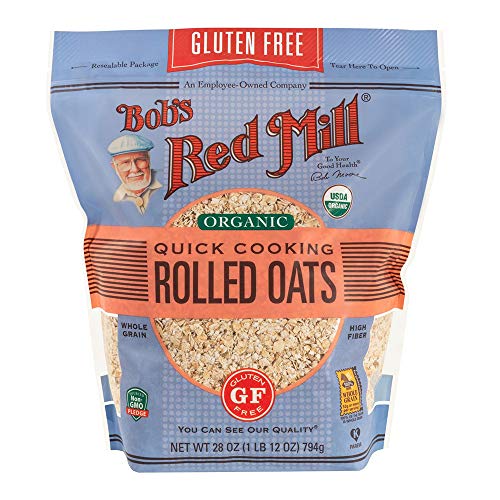
The growing popularity of gluten-free diets has led many people to believe that eliminating gluten automatically improves digestive health. In reality, a gluten-free gut is medically necessary only for individuals diagnosed with celiac disease or non-celiac gluten sensitivity.
Whole grains containing gluten provide dietary fiber, B vitamins, and prebiotic compounds that support beneficial gut bacteria. Eliminating these foods without medical necessity may reduce dietary fiber intake and negatively affect microbial diversity. Current research suggests that overall diet quality plays a much greater role in digestive health than avoiding gluten alone. Anyone experiencing chronic digestive symptoms should consult a healthcare professional before making significant dietary restrictions.
Myth 4: Bloating Is Always Normal
Occasional bloating after eating large meals or gas-producing foods is common. However, believing persistent bloating is always harmless is another important digestive misconception.
Frequent or worsening bloating may signal underlying conditions such as irritable bowel syndrome, food intolerances, inflammatory bowel disease, small intestinal bacterial overgrowth, or celiac disease. Medical evaluation is recommended if bloating occurs regularly or is accompanied by symptoms such as unexplained weight loss, persistent diarrhea, vomiting, gastrointestinal bleeding, or severe abdominal pain.
Myth 5: You Can Fix Your Gut Overnight
Social media often promises dramatic improvements in gut health within days. Scientific evidence does not support these claims. Although changes in diet can begin influencing gut microbes relatively quickly, developing a stable and diverse microbiome requires consistent healthy habits over weeks or months.
Factors including sleep quality, physical activity, stress management, medication use, and long-term eating patterns all contribute to digestive health. Sustainable improvements result from gradual lifestyle changes rather than miracle supplements or restrictive diets.
Evidence-Based Gut Health Practices
Current scientific evidence supports several practical strategies for maintaining digestive health:
- Eat a wide variety of fiber-rich fruits, vegetables, legumes, nuts, seeds, and whole grains.
- Include fermented foods when appropriate.
- Limit ultra-processed foods high in added sugars and unhealthy fats.
- Exercise regularly to support digestive function.
- Prioritize quality sleep.
- Manage chronic stress through healthy coping strategies.
- Use antibiotics only when medically necessary and as prescribed.
- Stay adequately hydrated to support normal digestion.
These evidence-based habits consistently outperform popular wellness trends based on unsupported gut health myths.
When to Trust Your Gut (and Your Doctor)
Learning to distinguish gut health facts from misinformation is essential for protecting your digestive health. While social media often promotes simplified solutions, healthcare professionals rely on peer-reviewed research and clinical guidelines when making recommendations.
If digestive symptoms persist or worsen, consult a qualified healthcare provider rather than relying solely on supplements or restrictive diets. Early diagnosis can identify treatable gastrointestinal conditions and help you avoid unnecessary dietary changes. Building lifelong digestive health begins with informed choices grounded in science rather than digestive misconceptions.
FAQs
Are gut detoxes necessary for digestive health?
No. Healthy individuals generally do not need gut detoxes or cleanses. Your liver, kidneys, and digestive tract naturally remove waste and toxins. Eating a balanced diet rich in fiber and staying hydrated are more effective ways to support digestive health than commercial detox products.
Should everyone take a probiotic supplement?
Not necessarily. Probiotic supplements are strain-specific, meaning different strains have different effects. Some people may benefit from probiotics for certain digestive conditions, while others may get enough beneficial bacteria from fermented foods. It's best to discuss probiotic use with a healthcare professional if you have ongoing digestive concerns.
Is a gluten-free diet healthier for your gut?
A gluten-free diet is essential for people with celiac disease and may help those with non-celiac gluten sensitivity. However, for most people, whole grains that contain gluten provide fiber and other nutrients that support a healthy gut microbiome. Eliminating gluten without a medical reason is not generally recommended.
How long does it take to improve gut health?
Gut bacteria can begin responding to dietary changes within days, but meaningful, long-term improvements in gut health typically occur over weeks to months. Consistently eating a fiber-rich diet, exercising regularly, managing stress, and getting enough sleep all contribute to lasting digestive health.
When should bloating be evaluated by a healthcare provider?
Occasional bloating is common, but persistent, severe, or worsening bloating should be evaluated by a healthcare provider. Seek medical attention if bloating occurs alongside symptoms such as unexplained weight loss, blood in the stool, severe abdominal pain, persistent diarrhea, vomiting, or difficulty swallowing, as these may indicate an underlying gastrointestinal condition.
References
1Strand J. (2022). Distinctive Detoxification: The Case for Including the Microbiome in Detox Strategy. Integrative medicine (Encinitas, Calif.), 21(4), 26–30.
2Cohen, A. (2025). Using Food to Detoxify: Top Detoxifying Foods to Prioritize. *Integrative and Complementary Therapies*. https://doi.org/10.1089/ict.2025.81113.ac
3Su, G. L., Ko, C. W., Bercik, P., Falck-Ytter, Y., Sultan, S., Weizman, A. V., & Morgan, R. L. (2020). AGA clinical practice guidelines on the role of probiotics in the management of gastrointestinal disorders. *Gastroenterology*. https://doi.org/10.1053/j.gastro.2020.05.059
4Cenni, S., Sesenna, V., Boiardi, G., Casertano, M., Russo, G., Reginelli, A., Esposito, S., & Strisciuglio, C. (2023). The role of gluten in gastrointestinal disorders: A review. *Nutrients*, *15*(7), 1615. https://doi.org/10.3390/nu15071615
5Cleveland Clinic. (n.d.). *Bloated stomach*. Retrieved from https://my.clevelandclinic.org/health/symptoms/21740-bloated-stomach
6Rinninella, E., Cintoni, M., Raoul, P., Lopetuso, L. R., Scaldaferri, L. R., Pulcini, G., Miggiano, G. A. D., Gasbarrini, A., & Mele, M. C. (2019). Food components and dietary habits: Keys for a healthy gut microbiota composition. *Nutrients, 11*(10), 2393. https://doi.org/10.3390/nu11102393















 Recipes
 Products
Comments
Join The Conversation...