Servings: 12Prep: 2 hoursCook: 2 hoursTotal: 4 hours
Cozy Butternut Squash Soup with Ginger and Coconut
Soups. I LOVE making soups.
Soups are one of the best ways to "clean out" your pantry and refrigerator while creating something warm, comforting, and nourishing. One of my favorite ingredients to build soups around is butternut squash.
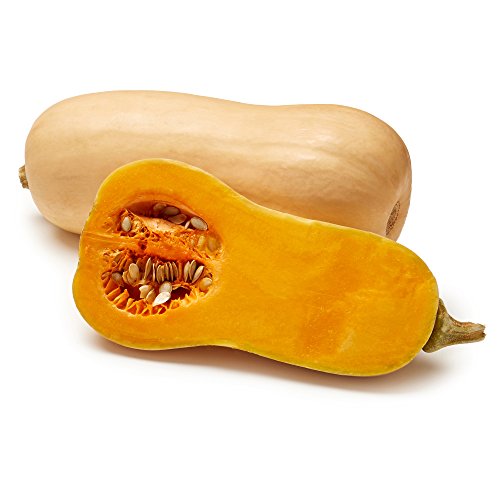
Butternut squash is a fall gourd, but it can be purchased year-round. It has a fairly long shelf life, freezes beautifully after cooking, and provides a naturally sweet flavor that works well in a variety of recipes.
For many people managing digestive concerns such as GERD or IBS, soups can be an easy way to enjoy vegetables in a gentle, satisfying form. The smooth texture and warm temperature can be particularly appealing during times when heavier meals feel less comfortable.
Why Butternut Squash Works So Well in Soup
The downfall with butternut squash soup is that the squash can be rather tough to cut. However, with a little elbow grease and a sharp knife, we can get the job done.
This is also one of the reasons I prefer roasting the squash before scooping out the flesh. Roasting softens the squash, enhances its natural sweetness, and makes preparation much easier.
At this point during the squash processing, you can choose to freeze some for future meals. Around this time of year, I start stocking up on roasted butternut squash for quick soups and simple weeknight dinners.
Butternut squash is also a good source of several important nutrients, including:
- Vitamin A, which supports eye and immune health
- Vitamin C, an antioxidant that supports overall wellness
- Fiber, which can support healthy digestion when tolerated
A Flexible Recipe You Can Make Your Own
This is a soup that I change every time I make it.
Butternut squash pairs beautifully with a variety of different flavors. Curry, cinnamon, nutmeg, garlic, and warming herbs can all work well depending on your personal preferences.
For this recipe, I chose to focus on classic fall flavors with added depth from coconut, ginger, and honey.
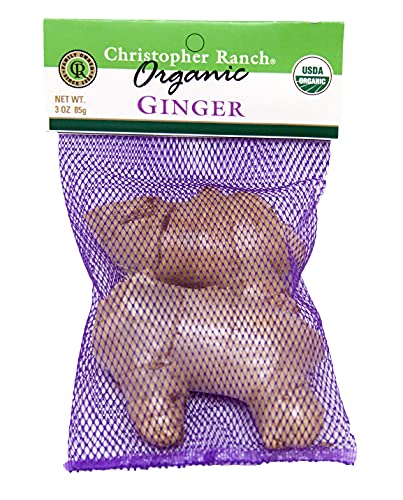
Ginger not only contributes flavor but is also commonly used to help ease digestive discomfort and nausea. The coconut adds creaminess without requiring heavy cream, creating a rich texture while keeping the ingredient list simple.
Making This Soup GERD- and IBS-Friendly
One of the things I love most about this recipe is how adaptable it can be for people with digestive concerns.
If you are managing GERD, consider limiting ingredients that you know personally trigger reflux symptoms. Ginger is often well-tolerated and can provide plenty of flavor without relying on spicy ingredients.
For individuals with IBS, tolerance can vary significantly from person to person. While butternut squash contains beneficial nutrients and fiber, portion size may matter for some individuals. Paying attention to your own symptom patterns and serving sizes can help determine what works best for you.
As always, the most effective digestive-friendly meal plan is one that is personalized to your individual tolerances.
Prep Ahead for Easy Meals
This soup can easily be started the day before by roasting the squash and carrots ahead of time.
I roast the carrots until they develop a nice caramelized color, which enhances the flavor of the finished soup. Roasting both the squash and carrots adds depth and natural sweetness while simplifying preparation on the day of cooking.
When making this soup, feel free to experiment with additional ingredients that work for you. Apples and butternut squash taste wonderful together and can add another layer of fall flavor.
That's one of the reasons I keep coming back to this recipe—it is simple, comforting, versatile, and easy to adapt based on what's available in your kitchen.
Gentle Comfort Food for Digestive Health
Whether you're looking for a cozy fall meal, a make-ahead lunch, or a simple recipe that fits many GERD- and IBS-friendly eating patterns, this butternut squash soup is worth adding to your rotation.
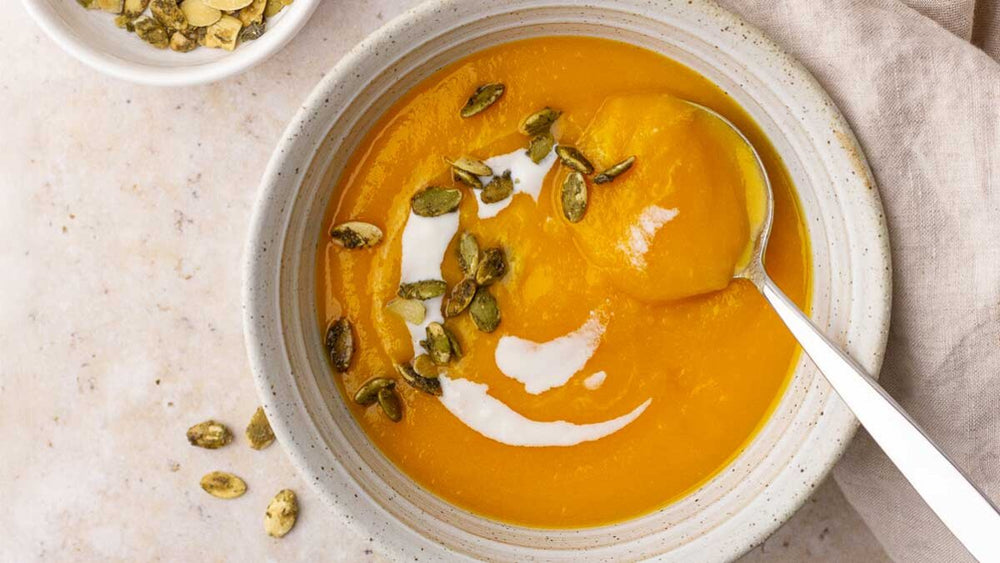
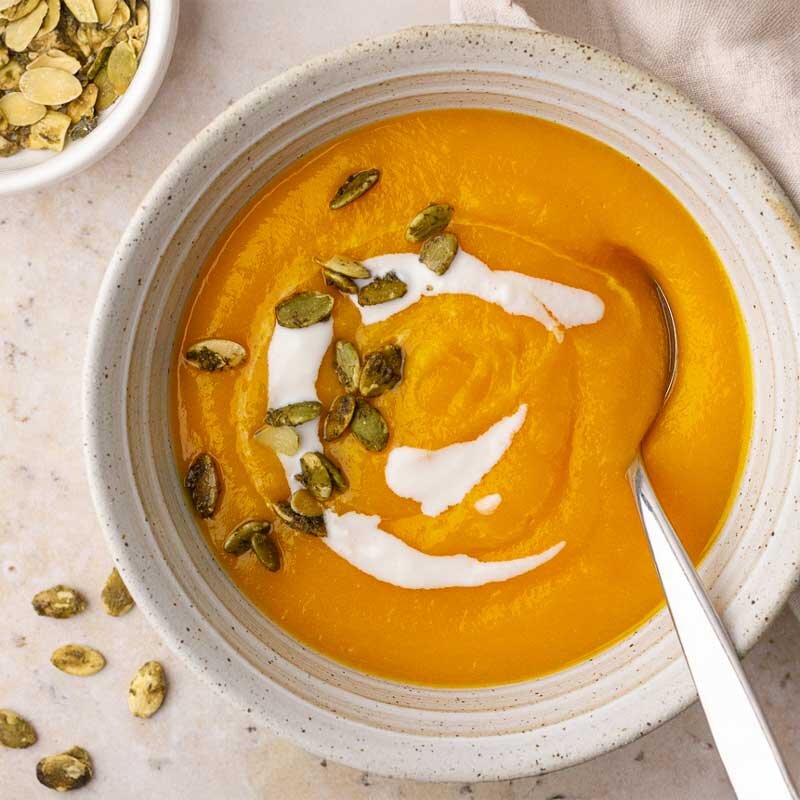
The combination of roasted vegetables, warming ginger, creamy coconut, and natural sweetness creates a soup that feels indulgent yet is packed with nourishing ingredients.
Sometimes the simplest recipes become the ones we return to again and again.
FAQs
Is butternut squash good for people with IBS?
Butternut squash can be included in many IBS-friendly meal plans, but portion size matters. Some individuals tolerate it very well, while others may find larger servings trigger symptoms. Keeping a food and symptom journal can help you determine your personal tolerance.
Can I make this soup GERD-friendly?
Yes. This recipe is naturally free of many common reflux triggers and uses ginger for flavor instead of spicy ingredients. If you have GERD, consider avoiding any ingredients that you know personally trigger symptoms and enjoy the soup in moderate portions.
Can I freeze butternut squash soup?
Absolutely. Butternut squash soup freezes very well. Allow the soup to cool completely before transferring it to freezer-safe containers. It can typically be stored in the freezer for up to 3 months and reheated as needed.
Do I have to roast the squash first?
Roasting is highly recommended because it enhances the squash's natural sweetness and creates a deeper, richer flavor. It also makes the squash easier to scoop and blend. However, pre-cut or frozen butternut squash can be used as a time-saving alternative.
What proteins pair well with this soup?
This soup pairs nicely with grilled chicken, turkey, shrimp, salmon, or a simple side salad. For a vegetarian option, consider serving it alongside a quinoa dish or, if tolerated, a slice of whole-grain bread.
Can I add other vegetables or fruits?
Yes. One of the best things about butternut squash soup is its versatility. Roasted carrots, sweet apples, parsnips, or pumpkin can all complement the flavor while adding additional nutrients.
Is ginger beneficial for digestion?
Ginger has been traditionally used to help ease nausea and support digestion. Some research suggests it may help promote gastric emptying and reduce digestive discomfort in certain individuals, making it a popular ingredient in digestive-friendly recipes.
How can I make the soup creamier?
For a creamier texture, blend the soup thoroughly and consider adding coconut milk, lactose-free milk, or another tolerated dairy-free alternative. The natural starches in the squash also help create a rich, velvety consistency without needing heavy cream.













 Articles
 Products

Comments
Join The Conversation...