Servings: 6Prep: 15 minsCook: 25 minsTotal: 40 mins
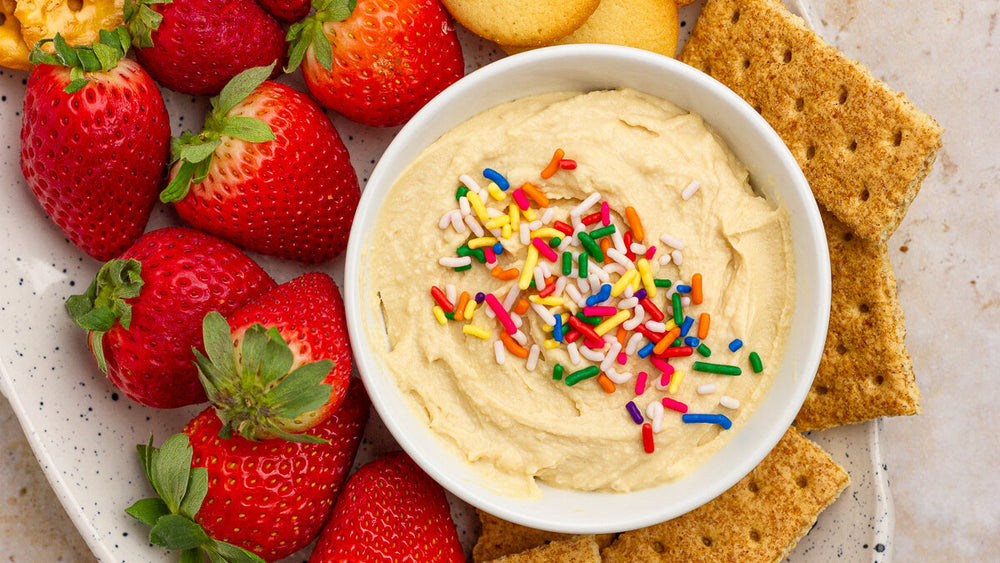
GERD-Friendly Carrot Hummus: A Creamy, Flavorful Twist on a Classic Dip
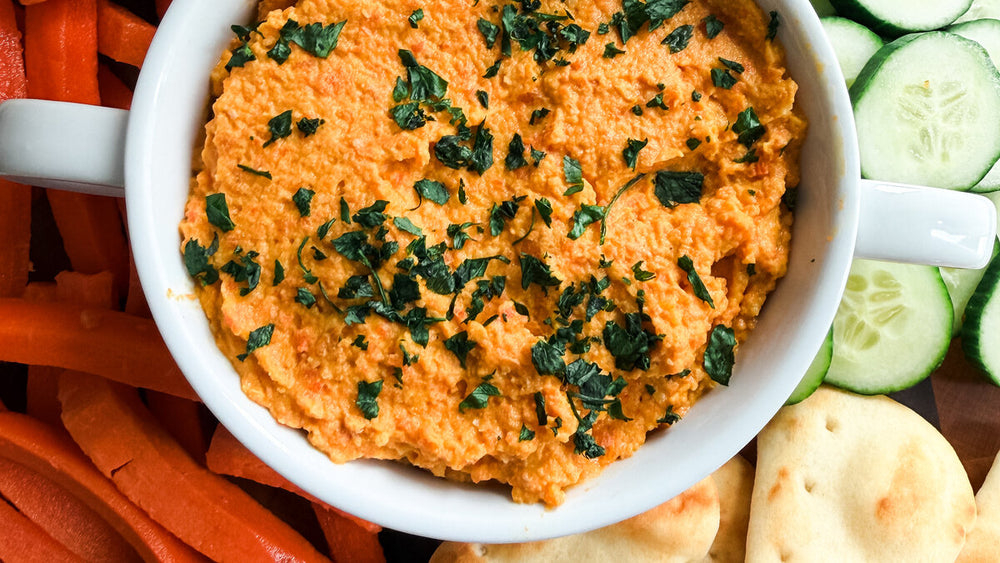
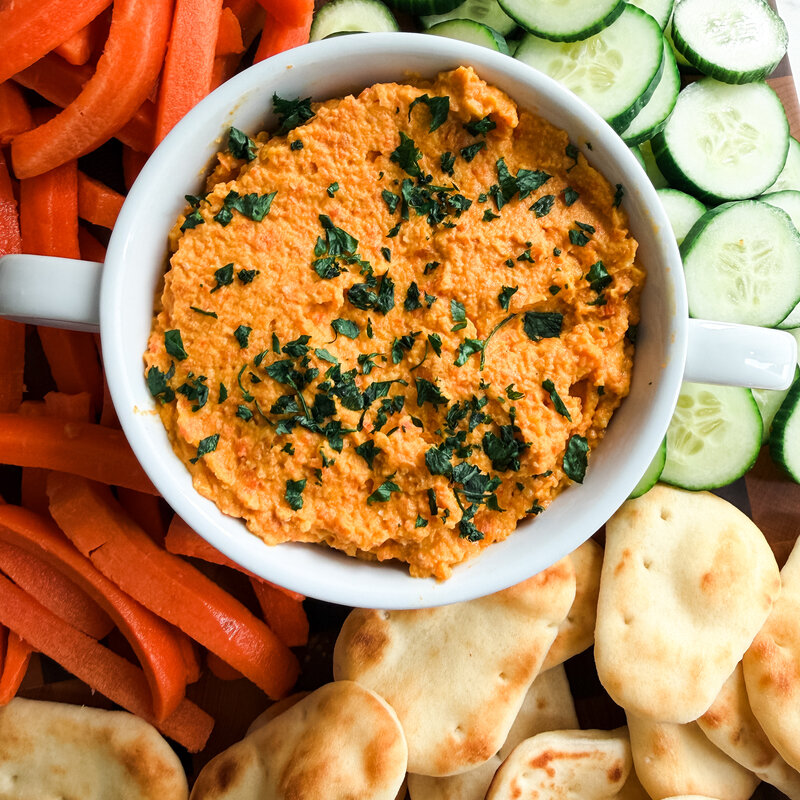
If you've been looking for acid reflux-friendly snacks that you can actually make without a long list of specialty ingredients, this GERD-friendly carrot hummus is for you. It comes together in about 40 minutes, uses everyday ingredients, and is incredibly versatile. Dip it, spread it, add it to a bowl - it works well in so many ways.
What Makes This Hummus GERD-Friendly?
Traditional hummus often includes raw garlic and lemon juice. Both of these are common GERD triggers for many people. Raw garlic can relax the lower esophageal sphincter, which is the muscle that keeps stomach acid where it belongs, and citrus like lemon juice can add to irritation.
This version swaps those out. Garlic-infused olive oil gives you that savory, garlicky flavor without the raw garlic itself. Unseasoned rice vinegar adds a gentle tang in place of lemon juice. It's a much milder option that works well for most people with reflux.
It's worth noting that GERD triggers vary from person to person. What bothers one person may not bother another. This recipe avoids the most common triggers, but you know your body best. If something doesn't work for you, adjust as needed!
Ingredients and Why They Work
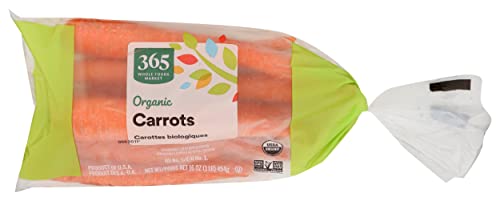
Carrots: Roasting the carrots first is the move here. It concentrates their natural sweetness and creates a slightly caramelized flavor that makes this hummus taste anything but plain. Carrots are also packed with fiber and vitamin A, making them a nourishing base for a dip.
Chickpeas: A classic hummus base for good reason. They're filling, high in plant-based protein and fiber, and blend up beautifully smooth in a food processor. Chickpeas are generally well tolerated by people with GERD.
Tahini: This is sesame seed paste, and it adds richness and depth to the hummus. A little goes a long way, and it keeps the texture super creamy.
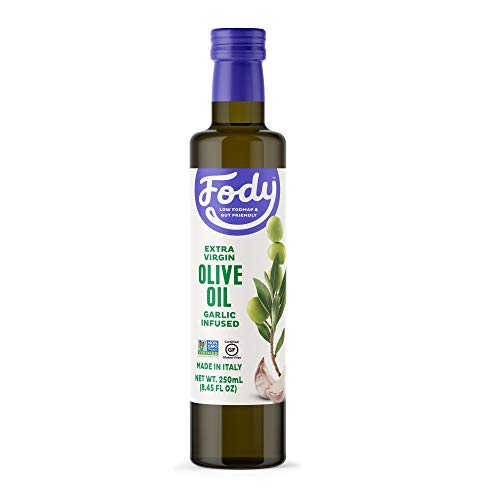
Garlic-infused olive oil: This is one of the most important swaps in this recipe. You get all the savory, garlicky flavor without any of the raw garlic that can trigger reflux.
Unseasoned rice vinegar: This replaces the lemon juice you'd typically find in hummus. It adds just enough brightness and tang without the acidity of citrus.
Substitutions and Variations
No tahini? You can use a small amount of well-stirred almond butter or sunflower seed butter instead. The flavor will be slightly different.
Swap the carrots: Roasted butternut squash or roasted beets make great swaps if you have them on hand. Both blend up smooth and add their own natural sweetness.
Add more veggies: Stir in a handful of roasted zucchini or yellow squash for extra fiber and a slightly lighter texture.
Tips and Serving Ideas
Roast the carrots until they're soft. You want them fork-tender and with some golden color on the edges. Under-roasted carrots won't blend as smoothly and won't have that natural sweetness.
Let the hummus rest before serving. After blending, give it a few minutes in the bowl before you dig in. The flavors come together and mellow out a bit, which makes a noticeable difference.
Add water slowly. Start with one tablespoon at a time and blend in between. It's easy to add too much and end up with a thinner texture than you want.
Serving Ideas:
This carrot hummus is incredibly versatile. Serve it as a dip with pita bread, cucumber slices, celery, or crackers. Spread it on a sandwich or wrap in place of mayo. Use it as a base for a grain bowl or add a big scoop to a snack plate. It also works really well as a topping for roasted vegetables.
Storage Suggestions:
Refrigerator: Store in an airtight container for up to 5 days. Give it a good stir before serving since it may thicken slightly in the fridge.
FAQs
Is hummus okay for GERD?
Traditional hummus made with raw garlic and lemon juice can trigger GERD for some people. This version is designed with those common triggers in mind, using garlic-infused olive oil and rice vinegar as gentler alternatives.
Can I eat chickpeas with acid reflux?
Chickpeas are generally considered GERD-friendly. They're high in fiber and protein and are not typically listed among common reflux triggers. If you're unsure, start with a small portion and see how you feel.
What can I use instead of lemon juice in hummus?
Unseasoned rice vinegar is a great swap! It adds brightness and a mild tang without the acidity of citrus. Apple cider vinegar diluted with water is another option, though it's stronger in flavor, so use a small amount.
How do I know if a food triggers my GERD?
Keeping a food journal is one of the most helpful tools for identifying personal triggers. Note what you eat, the portion size, and how you feel afterward. Over time, patterns will start to emerge. Working with a registered dietitian can also help you identify triggers and build a plan that works for your lifestyle.













 Articles
 Products

Comments
Join The Conversation...