



Love Condiments? Here's How to Keep the Flavor Without the Heartburn
I am a condiment connoisseur. Fresh hot pizza? Needs ranch. Chicken tender wrap? Honey mustard is a must! Hamburger from CookOut? Barbecue sauce is highly recommended.
For those with GERD/acid reflux, the condiment aisle at the supermarket might as well be a restricted area. They don't have the luxury of adding sauces to their meals without worrying about horrid heartburn. Not to worry, Foodguides fam, we’ll act as your guide to sauce satisfaction. Keep an eye out for some sauce statistics to add to your food knowledge (a condiment to your food facts, if you will).
Why Condiments Can Trigger Acid Reflux
If you’re a frequent reader of Foodguides, you know that GERD (gastroesophageal reflux disease) is caused by stomach acid flowing up into the esophagus.GERD causes heartburn, chest pain, and other uncomfortable symptoms.
What you may not know is why certain foods trigger acid reflux and why others don’t. Certain acidic, spicy, or high-fat foods may trigger reflux symptoms in people with GERD, although triggers vary by person. The pH scale is a unit of measurement used to determine a substance's acidity. The scale measures very acidic foods (notated as 1-6 on the pH scale) and non-acidic foods, known as bases (notated as 8-14 on the pH scale). A perfectly neutral item (neither acid nor base) is denoted as a pH of 7.
Stomach acid measures anywhere between 1 and 4 on the pH scale. It’s generally recommended for people with GERD to avoid foods with a pH below 5 to reduce unpleasant acid reflux symptoms. Unfortunately, certain common condiments have a pH of 5 or lower and can cause flare-ups.
Sauce Statistic #1 - You don’t need special training or a PHD to check the pH levels of an item. pH paper can be purchased online at Amazon or at your local pharmacy. Simply dip the paper into the item, wait for it to change color, then match the color to the packaging (or the pamphlet included with the packaging) to determine the pH level.
Condiments That Commonly Trigger Reflux
Common triggers of acid reflux include tomato- or citrus-based foods, as well as peppermint, onions, garlic, caffeine, alcohol, and dairy. If your favorite condiment contains one of these ingredients, chances are you’ll have some upsetting side effects after indulging.
Condiment | Why It May Trigger Reflux
Ketchup | Tomato + acidity
Ranch | Higher fat content
Barbecue sauce | Tomato, vinegar, sugar
Hot sauce | Capsaicin/spiciness
Mustard | Vinegar + acidity
Ketchup | Tomato + acidity
Ranch | Higher fat content
Barbecue sauce | Tomato, vinegar, sugar
Hot sauce | Capsaicin/spiciness
Mustard | Vinegar + acidity
Sauce Statistic #2 - Another common trigger of acid reflux is chocolate. Keep that in mind the next time you order a hot-fudge sundae.
GERD-Friendly Condiment Options
If your favorite dipping sauce comes with disappointing digestive effects, check out this sauce swap!
Sauce | GERD-Friendly Swap
Ketchup | Hummus
Hot Sauce | Cumin or paprika
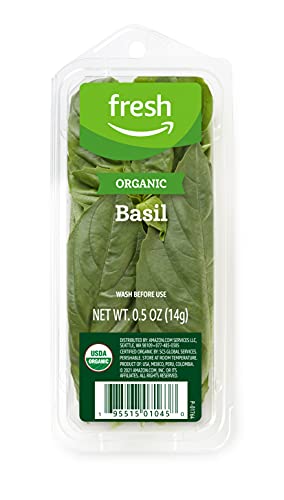
Ranch Dressing/Thousand Island Dressing/Blue Cheese | Add basil, oregano, rosemary, and/or thyme to olive oil
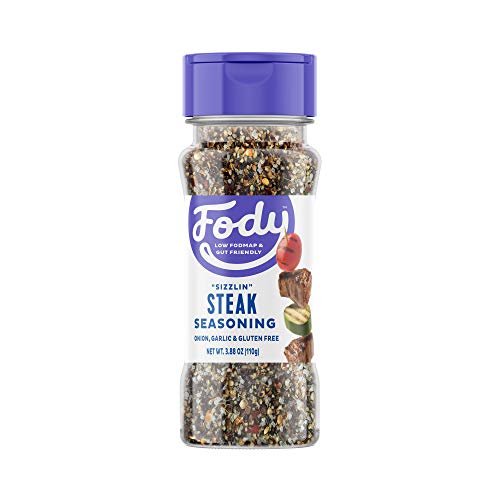
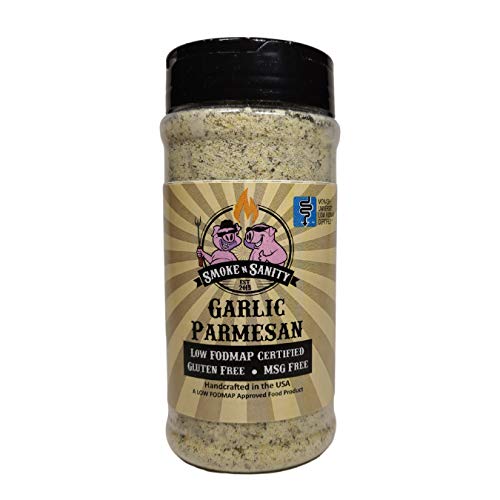
Barbecue Sauce | Dry rub (paprika, brown sugar, salt, onion powder, etc.)
Ketchup | Hummus
Hot Sauce | Cumin or paprika
Ranch Dressing/Thousand Island Dressing/Blue Cheese | Add basil, oregano, rosemary, and/or thyme to olive oil
Barbecue Sauce | Dry rub (paprika, brown sugar, salt, onion powder, etc.)
Sauce Statistic #3 - There are several over-the-counter medications for acid reflux. Ask your local pharmacist for suggestions. If your acid reflux is more frequent, reach out to your healthcare provider. They may be able to prescribe a medication to alleviate GERD-related discomfort.
Building Flavor Without Triggering Reflux
Adding flavor does not mean adding acid reflux. Instead of adding a sauce, try adding spices. Or, you can swap your favorite sauce for a low-fat version. The combinations are endless! Plus, you may find a flavor combination that’s even tastier than your tried-and-true topping.
Sauce Statistic #4 - If you’re looking for some tasty flavor combinations, take a look at GERD-Friendly Cooking: Spices to Avoid and Tasty Alternatives by Kari Tallent, MA, RD.
Reading Labels in the Condiment Aisle
If you’re unsure whether your condiment of choice is GERD-friendly, check the label! Ingredients are often listed under the nutrition facts. If you notice ingredients that have previously triggered your reflux symptoms, make a note and look for alternatives.
Sauce Statistic #5 - If you’re not willing to give up your favorite sauce, there are alternatives! Try eating earlier in the day, eating smaller portions, and avoiding lying down 2-3 hours after eating.
Are you willing to put your favorite sauce to the pH test? What GERD-friendly swap will you make? Let us know in the comments section below or on social media!
FAQs
Can people with GERD still eat condiments?
Yes. Many people with GERD can still enjoy condiments, but certain sauces may trigger symptoms. Because reflux triggers vary from person to person, it can be helpful to identify which condiments you tolerate well rather than eliminating all of them.
Which condiments are less likely to trigger acid reflux?
Herb-infused olive oil, hummus, mild herb blends, and dry spice rubs are often good alternatives to tomato-based, spicy, or creamy sauces. However, everyone's tolerance is different, so experimenting with small amounts can help you find what works best.
How can I add flavor to meals without heavy sauces?
Fresh herbs, dried spices, citrus zest (if tolerated), garlic-infused oil, and cooking methods like roasting or grilling can add plenty of flavor without relying on rich or acidic sauces that may trigger reflux symptoms.
How does choosing GERD-friendly condiments support gut health?
Choosing condiments that don't aggravate your reflux symptoms can make meals more enjoyable and may help reduce post-meal discomfort. Combined with other lifestyle habits—such as eating smaller meals, staying upright after eating, and identifying personal trigger foods—these simple swaps can support better digestive comfort over time.
References
1Koufman, J. (2013). Acid reflux? pH (acidity) measurements of common condiments, Diet and Lifestyle, https://jamiekoufman.com/acid-reflux-ph-acidity-measurements-of-common-condiments/















 Recipes
 Products

Comments
Join The Conversation...