


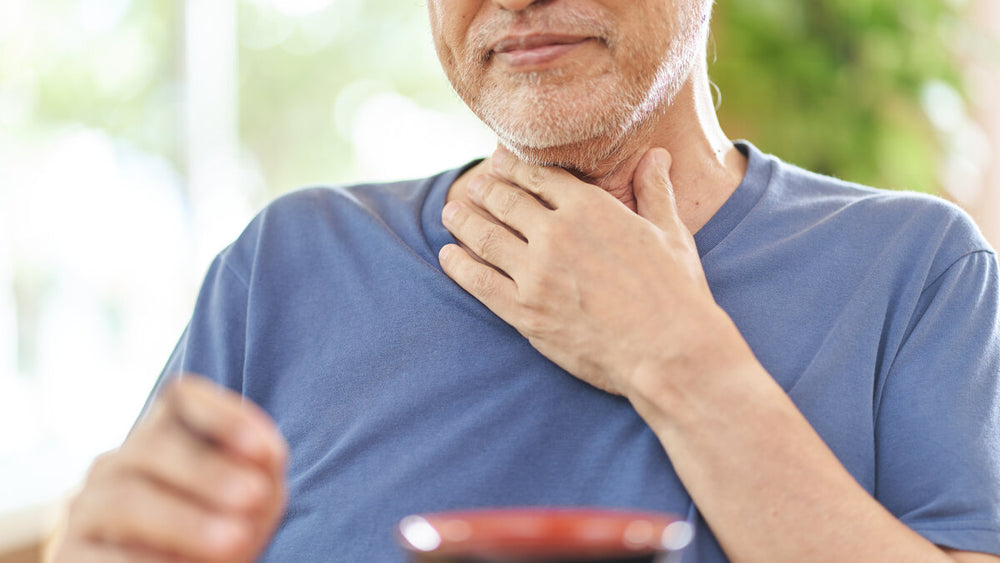
What is Phagophobia? Defining the Fear of Swallowing
Phagophobia is a specific phobia characterized by a persistent fear of swallowing. It can manifest in a wide range of swallowing-related complaints, such as avoiding certain foods, eating very slowly, or refusing to eat altogether; however, it typically lacks any identifiable physical cause. Phagophobia should not be confused with dysphagia, which is the medical term for difficulty swallowing caused by a physical or neurological condition.
Symptoms of dysphagia include pain while swallowing, an inability to swallow, a sensation that food is stuck in the throat or chest, regurgitation of food or liquids, and coughing or gagging during meals. Risk factors for dysphagia include advanced age, neurological disorders such as Parkinson’s disease or stroke, and structural abnormalities of the esophagus.
While both conditions involve problems with swallowing, their origins are fundamentally different. Dysphagia stems from structural or functional impairments, whereas phagophobia is rooted in psychological fear.
Identifying Symptoms and Impact on Daily Life
Though relatively rare, affecting an estimated 7–9% of the population, phagophobia can have a deep impact on a person’s daily life, leading to malnutrition, dehydration, significant weight loss, and heightened anxiety around mealtimes. For many people living with the condition, frustration is a central emotional experience. Swallowing disorders are typically evaluated by a range of healthcare providers, most notably speech-language pathologists.
Patients with phagophobia often report significant perceived changes in swallowing function. However, diagnostic testing frequently reveals no physical abnormality. This disconnect can reinforce behavioral changes such as food avoidance and restrictive eating, leaving patients feeling as though recovery is out of reach. Over time, these patterns can hinder social participation around mealtimes and contribute to serious nutritional deficiencies.
Patients with phagophobia often report significant perceived changes in swallowing function. However, diagnostic testing frequently reveals no physical abnormality. This disconnect can reinforce behavioral changes such as food avoidance and restrictive eating, leaving patients feeling as though recovery is out of reach. Over time, these patterns can hinder social participation around mealtimes and contribute to serious nutritional deficiencies.
Causes and Risk Factors for Developing Phagophobia
The causes of phagophobia are not always clear, but the condition often develops following a traumatic experience such as choking, vomiting, or a severe allergic reaction. In some cases, phagophobia can develop in children after a frightening incident at mealtime and may persist into adulthood if left untreated. It may also arise in conjunction with other anxiety disorders, such as generalized anxiety disorder or panic disorder.
Treatment and Management Strategies
Once all causes of swallowing difficulty have been ruled out and a diagnosis of phagophobia has been confirmed, several strategies can help reduce symptoms. Addressing co-occurring anxiety and depression through medication is often a valuable first step. Cognitive behavioral therapy and exposure therapy have also shown meaningful results.
One case to reference involves a middle-aged man diagnosed with phagophobia. During behavioral therapy, food items were arranged in a hierarchy based on the level of anxiety they provoked. In each session, he was gradually exposed to these items while practicing cognitive restructuring (learning to confront anxious thoughts rather than suppress or neutralize them).
Muscle relaxation exercises were also incorporated, with the patient instructed to practice them twice daily. Over time, he approached sessions with greater structure and composure, and his confidence steadily grew. By the end of seven to eight sessions, he reported little to no anxiety while eating or drinking.
One case to reference involves a middle-aged man diagnosed with phagophobia. During behavioral therapy, food items were arranged in a hierarchy based on the level of anxiety they provoked. In each session, he was gradually exposed to these items while practicing cognitive restructuring (learning to confront anxious thoughts rather than suppress or neutralize them).
Muscle relaxation exercises were also incorporated, with the patient instructed to practice them twice daily. Over time, he approached sessions with greater structure and composure, and his confidence steadily grew. By the end of seven to eight sessions, he reported little to no anxiety while eating or drinking.
While working with medical professionals to identify and rule out underlying causes is essential, partnering with a mental health provider is equally important. For many patients, mental health providers are the key to lasting recovery!
FAQs
What is the difference between phagophobia and dysphagia?
Phagophobia is a fear-based condition involving anxiety around swallowing, while dysphagia is a medical condition that causes physical difficulty swallowing. Dysphagia may result from neurological disorders, muscle dysfunction, or structural problems in the throat or esophagus, whereas phagophobia is considered a psychological condition.
Can anxiety really make swallowing feel difficult?
Yes. Anxiety can create physical sensations such as throat tightness, muscle tension, dry mouth, or the feeling that food is “stuck,” even when no structural swallowing problem is present. These symptoms can reinforce fear around eating and swallowing over time.
Can GERD or acid reflux contribute to swallowing fears?
Yes. Chronic GERD and acid reflux can sometimes cause symptoms such as throat irritation, regurgitation, a globus sensation (a feeling of a lump in the throat), or discomfort when swallowing. In some individuals, repeated reflux symptoms or choking fears related to reflux may increase anxiety around eating and contribute to swallowing-related fears or avoidance behaviors.
How is phagophobia treated?
Treatment often involves addressing both the emotional and behavioral aspects of the condition. Cognitive behavioral therapy (CBT), exposure therapy, relaxation techniques, and treatment for underlying anxiety can all help individuals gradually rebuild confidence around eating and swallowing. Working with healthcare providers to rule out physical causes is also an important part of the process.
References
1Mayo Foundation for Medical Education and Research. (2024, July 31). Dysphagia. Mayo Clinic. https://www.mayoclinic.org/diseases-conditions/dysphagia/symptoms-causes/syc-20372028
2Blumenfeld, L. (2019, August 27). Phagophobia: The fear of eating. National Foundation of Swallowing Disorders. https://swallowingdisorderfoundation.com/phagophobia-the-fear-of-eating
3Rijal, R., & Pokhrel, P. (2024). Conquering Phagophobia: A Journey to Overcoming the Fear of Choking. Case reports in psychiatry, 2024, 8827460. https://doi.org/10.1155/2024/8827460



















 Recipes
 Products

Comments
Join The Conversation...