



Can a Stomach Infection Cause IBS? Insights From Research on Post-Infectious Gut Disorders
Gastrointestinal infections can sometimes trigger long-term digestive conditions such as IBS. These conditions are known as post-infection disorders of gut–brain interaction. A large global epidemiology study provides insight into how common these conditions may be. Understanding these patterns may help improve prevention and treatment strategies.
What are Disorders of the Gut-Brain Interaction?
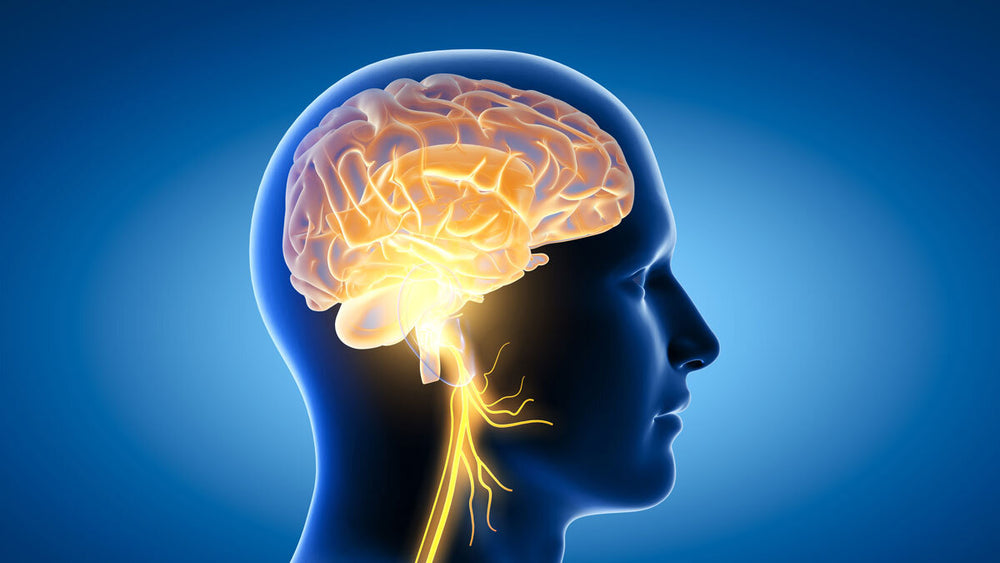
Disorders of the gut-brain interaction (DGBI), formerly known as functional gastrointestinal disorders, are a group of chronic digestive conditions characterized by persistent gastrointestinal symptoms that cannot be explained by physical abnormalities alone. These disorders arise from complex interactions among the digestive, nervous, and immune systems, the gut microbiota, and psychological factors.
Common DGBIs include irritable bowel syndrome (IBS), functional dyspepsia, functional constipation, and functional diarrhea. Individuals with these conditions may experience abdominal pain, bloating, altered bowel habits, nausea, or discomfort that significantly affects daily life. Researchers increasingly recognize that communication between the gut and the brain plays a central role in symptom development and severity.
Among the most studied DGBIs is irritable bowel syndrome. While IBS has multiple potential causes, a substantial body of evidence shows that gastrointestinal infections can act as a trigger. This trend has led to growing interest in post-infectious IBS and other post-infection gut disorders.
How Infections Can Trigger Long-Term Digestive Symptoms
Acute gastrointestinal infections caused by bacteria, viruses, or parasites can produce inflammation that extends beyond the initial illness. In some individuals, symptoms resolve completely after recovery. In others, however, digestive disturbances persist for months or even years.
It’s believed that infections trigger IBS through several biological mechanisms. Infectious gastroenteritis can alter the composition of the gut microbiome, disrupt intestinal barrier function, activate immune pathways, and increase the sensitivity of the nerves lining the digestive tract. These changes may contribute to chronic abdominal pain, diarrhea, constipation, or mixed bowel symptoms. The resulting condition is commonly referred to as post-infectious IBS
The concept of DGBI infection has become increasingly important because it highlights how a short-term infectious event can create lasting physiological changes. Rather than being purely psychological conditions, many DGBI involve measurable biological alterations affecting gut function, immune responses, and nervous system signaling.
What the Global Study Found
The Rome Foundation Global Study is among the largest studies of DGBI ever conducted. Researchers surveyed more than 73,000 adults across 33 countries spanning six continents using standardized Rome IV diagnostic criteria. The study aimed to determine the prevalence and burden of these conditions worldwide.
The findings demonstrated that DGBI are remarkably common. More than 40% of respondents in internet-based surveys met diagnostic criteria for at least one disorder of gut-brain interaction, while approximately 21% of participants in household surveys met criteria for a DGBI. Women were more likely than men to report these conditions, and affected individuals experienced lower quality of life and greater healthcare utilization than those without DGBI.
The study also verified the substantial global burden associated with IBS and related disorders. Individuals with DGBI reported more frequent doctor visits and greater impairment in daily functioning. These findings emphasize that DGBI are not rare or minor complaints but major public health concerns affecting millions of people worldwide. Furthermore, a secondary study demonstrated that DGBI is associated with increased disease severity and a significant decrease in quality of life compared with that of healthy individuals.
Although the Rome Foundation Global Study did not focus exclusively on post-infectious IBS, its findings provide important context for understanding post-infection gut disorders. Because IBS is one of the most common DGBI worldwide, identifying factors that contribute to its development—including infections—remains a critical area of research.
What this Research Means for Digestive Health
The Rome Foundation Global Study highlights the enormous prevalence and impact of disorders of gut-brain interaction worldwide. Its findings reinforce the need for greater awareness, earlier diagnosis, and more effective treatment strategies for these chronic digestive conditions.
For patients and healthcare professionals, the research supports a broader understanding of how infections trigger IBS and other long-term gastrointestinal symptoms. Acute gastroenteritis should not always be viewed as a temporary event. In some individuals, infections may initiate biological changes that contribute to persistent digestive dysfunction.
The study also underscores the importance of a comprehensive approach to digestive health. Effective management of DGBI often requires consideration of multiple factors, including gut microbiota, immune function, diet, stress, and nervous system regulation. Continued research into post-infectious IBS and related disorders may lead to improved prevention strategies and targeted therapies that address the underlying mechanisms of disease.
As scientists continue to explore the connections between infection, immunity, and gut-brain communication, the evidence increasingly suggests that post-infection gut disorders represent a meaningful component of the global burden of digestive disease.
FAQs
Can a stomach infection really cause IBS?
Yes. Some people develop what is known as post-infectious IBS after recovering from a bacterial, viral, or parasitic gastrointestinal infection. Researchers believe that changes in the gut microbiome, immune system activity, intestinal barrier function, and nerve sensitivity may contribute to ongoing digestive symptoms after the initial infection has resolved.
How long does post-infectious IBS last?
The duration varies from person to person. Some individuals experience gradual improvement over months, while others may have symptoms that persist for years. Working with a healthcare provider can help identify symptom management strategies and improve quality of life.
What are the symptoms of post-infectious IBS?
Post-infectious IBS can cause symptoms similar to other forms of IBS, including abdominal pain, bloating, diarrhea, constipation, or alternating bowel habits. Symptoms typically begin after a gastrointestinal infection and continue even after the infection itself has cleared.
Are disorders of gut-brain interaction (DGBI) psychological conditions?
No. Disorders of gut-brain interaction involve complex interactions among the digestive, nervous, immune, and gut microbiome systems. While stress and mental health can influence symptoms, these conditions are associated with measurable biological changes and are recognized as legitimate medical disorders.
Can anything be done to reduce the risk of developing post-infectious IBS?
While not all cases can be prevented, reducing the risk of gastrointestinal infections through proper food safety, hand hygiene, and safe food and water practices may help. Early medical evaluation and appropriate treatment of severe gastrointestinal infections may also support recovery, although more research is needed to determine the best prevention strategies for post-infectious IBS.
References
1Sperber, A. D., Bangdiwala, S. I., Drossman, D. A., Ghoshal, U. C., Simren, M., Tack, J., Whitehead, W. E., Dumitrascu, D. L., Fang, X., Fukudo, S., Kellow, J., Okeke, E., Quigley, E. M. M., Schmulson, M., Whorwell, P., Archampong, T., Adibi, P., Andresen, V., Benninga, M. A., Bonaz, B., … Palsson, O. S. (2021). Worldwide Prevalence and Burden of Functional Gastrointestinal Disorders, Results of Rome Foundation Global Study. Gastroenterology, 160(1), 99–114.e3. https://doi.org/10.1053/j.gastro.2020.04.014
2Sperber, A. D., Freud, T., Aziz, I., Palsson, O. S., Drossman, D. A., Dumitrascu, D. L., ... & Bangdiwala, S. I. (2022). Greater overlap of Rome IV disorders of gut-brain interactions leads to increased disease severity and poorer quality of life. Clinical Gastroenterology and Hepatology, 20(5), e945-e956. https://doi.org/10.1016/j.cgh.2021.05.042
3What are disorders of gut-brain interaction (functional gastrointestinal disorders)?. Cleveland Clinic. (2026b, April 13). https://my.clevelandclinic.org/health/diseases/disorders-of-gut-brain-interaction-dgbi

















 Recipes
 Products

Comments
Join The Conversation...