Servings: 2Prep: 15 minsCook: 15 minsTotal: 30 mins
Roasted Apple and Kale Salad: A Fresh and Flavorful Fall Salad
Spring and summer aren't the only seasons for delicious salads. Fall brings plenty of seasonal produce that can turn a simple bowl of greens into something fresh, colorful, and satisfying.
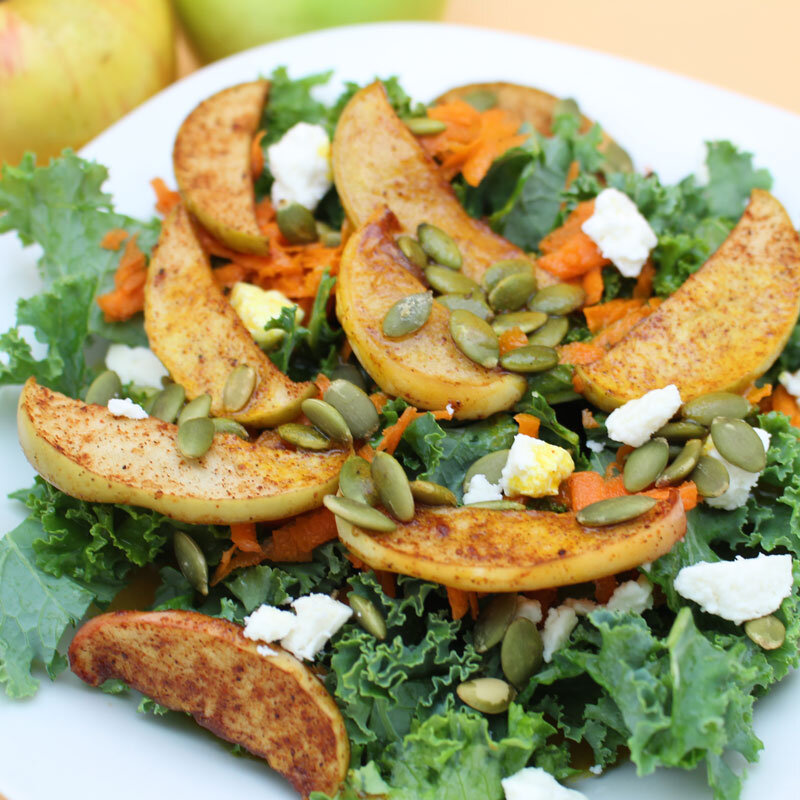
This salad starts with one of my favorite fall fruits: apples. Honeycrisp and Granny Smith are two of my favorites because they're firm, slightly tart, and hold their shape nicely when roasted.
Pair the warm apples with hearty kale, shredded carrots, salty Cotija cheese, crunchy pepitas, and an apple, ginger, and turmeric vinaigrette for a salad filled with contrasting flavors and textures.
Choosing the Best Apples for a Roasted Apple Salad
Not every apple behaves the same way when heated.
For this salad, I like Honeycrisp or Granny Smith apples because their firm texture holds up well during roasting. Rather than becoming completely soft, the apples retain some structure that complements the hearty kale and crunchy pepitas.
Season the apples with cinnamon, nutmeg, and ginger before roasting. You can also add a dash of cayenne if you enjoy a sweet-and-spicy combination.
Kale Makes a Hearty Base
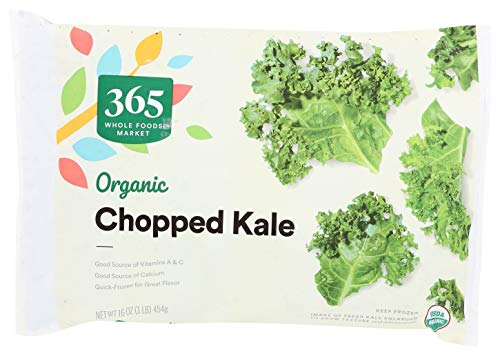
Kale works especially well in a fall salad because its sturdy leaves can stand up to warm roasted ingredients and a flavorful vinaigrette.
This recipe uses curly kale, which is inexpensive and readily available at most grocery stores. Remove the tough stems and slice the leaves into thin strips before assembling the salad.
If you find raw kale too tough, gently massage the leaves with clean hands before assembling your salad. This softens the texture and makes the greens more enjoyable to eat. Shredded carrot adds another layer of crunch and color.
Add Flavor and Crunch with Cotija and Pepitas
Cotija is a crumbly Mexican cheese with a salty flavor that contrasts nicely with the sweet roasted apples. If you can't find Cotija, feta is an easy substitute. A mild blue cheese can also work if you enjoy its stronger flavor.
Pepitas—or pumpkin seeds—provide another layer of texture. Briefly toast them before adding them to the salad to enhance their nutty flavor and add extra crunch.
How to Customize This Salad for GERD
If you have gastroesophageal reflux disease (GERD), don't assume you need to eliminate every ingredient commonly associated with reflux. Individual food triggers vary, and the
American College of Gastroenterology suggests avoiding foods that contribute to your own GERD symptoms rather than universally restricting specific foods.
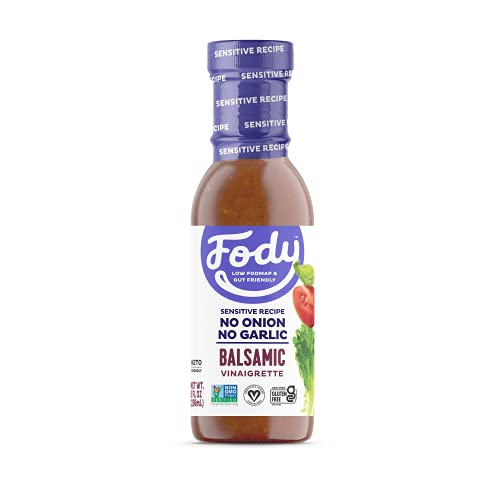
Cayenne is completely optional in both the roasted apples and vinaigrette, so leave it out if spicy foods tend to trigger your reflux. The vinaigrette contains apple cider vinegar and rice wine vinegar, which some people with reflux may find bothersome. If acidic dressings trigger you, use less dressing or substitute one made with ingredients you tolerate better.
The salad also contains cheese, pepitas, and olive oil. If you find that higher-fat meals contribute to your symptoms, consider your portions and adjust the amount of these ingredients rather than automatically eliminating them.
Is This Salad IBS-Friendly?
You can customize it based on your individual IBS triggers. People with IBS don't all react to the same foods, so an IBS-friendly meal doesn't need to follow one universal list of allowed and prohibited ingredients.
Kale, carrots, pepitas, cheese, apples, and the dressing ingredients may be tolerated differently from person to person. Pay attention to ingredients and portion sizes that you already know work well for you.
If you follow a specific dietary therapy for IBS, such as a Low FODMAP diet, you may need additional modifications.
Low FODMAP Swaps for This Salad
Kale, carrots, and pumpkin seeds are among the foods you can include in a Low FODMAP diet in appropriate servings. Remember that serving size matters when evaluating FODMAP content. Use current Monash University guidance to determine appropriate portions and substitutions for the phase of the diet you're following.
FAQs
Is kale good for people with IBS?
You can include kale in an IBS-friendly diet if you tolerate it well. Because IBS triggers vary, pay attention to your portion and symptoms rather than assuming you must avoid a food. If you're following a Low FODMAP diet specifically, you can include kale in appropriate portions.
Can I eat apples if I have IBS?
It depends on your individual tolerance and dietary approach. Apples contain fructose and sorbitol and are considered a high-FODMAP fruit, so they are generally limited during the initial phase of a Low FODMAP diet. However, not everyone with IBS needs to avoid apples, particularly if they have established that apples don't contribute to their symptoms.
Is this roasted apple and kale salad GERD-friendly?
You can customize it based on your individual reflux triggers. Cayenne and the acidic vinaigrette may contribute to symptoms for some people with GERD, while others may tolerate them without a problem. Leave out the cayenne, adjust the dressing, or modify other ingredients based on your tolerance.
What can I substitute for Cotija cheese?
Feta is an easy substitute because it provides a similar salty flavor and crumbly texture. Blue cheese can also complement the roasted apples if you enjoy a stronger flavor. If dairy doesn't work for your dietary needs, you can leave the cheese out and add extra pepitas for crunch.
References
1Katz, P. O., Dunbar, K. B., Schnoll-Sussman, F. H., Greer, K. B., Yadlapati, R., & Spechler, S. J. (2022). ACG clinical guideline for the diagnosis and management of gastroesophageal reflux disease. The American Journal of Gastroenterology, 117(1), 27–56. https://doi.org/10.14309/ajg.0000000000001538











 Articles
 Products
Comments
Join The Conversation...