


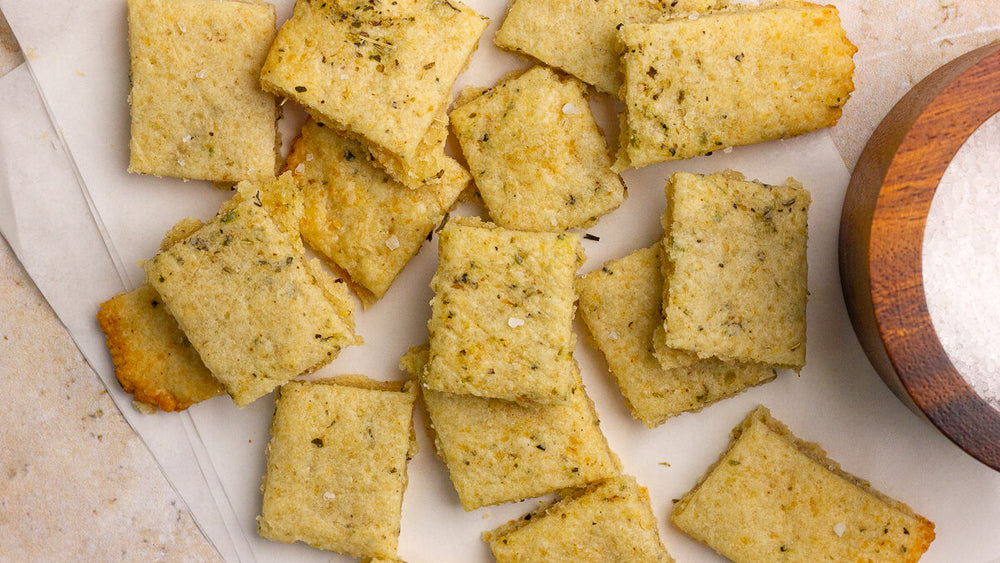
If finding packaged crackers that work for your digestive needs feels like a scavenger hunt, making your own is a surprisingly easy alternative. A food processor does most of the work, and the dough comes together quickly with gluten-free flour, freshly grated Parmesan, cold butter, herbs, and just enough cream to hold everything together.
They are great for snacking, dipping, or adding to a cheese board when you want something a little more special than plain crackers!
For even more snack inspiration, check out our guide to FODMAP-Friendly Snacks, with plenty of ideas for dips, crackers, and easy pairings.
What Makes These Crackers Low FODMAP?
- Gluten-free all-purpose flour: Using a gluten-free flour blend removes the wheat flour typically used in homemade crackers, but check the label for higher-FODMAP additions like inulin or certain bean flours.
- Parmesan cheese: Freshly grated Parmesan adds plenty of salty, savory flavor and is naturally very low in lactose.
- Butter: Butter helps create that crisp, slightly flaky texture while contributing very little lactose per serving.
- Heavy cream: Only a small amount of heavy cream is used across the entire batch to help the dough come together.
- Italian seasoning: A simple dried herb blend adds plenty of flavor without relying on garlic or onion, but always double-check the ingredient label before using.
Substitutions & Variations
- Change the herbs by using dried rosemary, thyme, or basil in place of some of the Italian seasoning.
- Add a little heat with a pinch of crushed red pepper or cayenne.
- Make them extra cheesy by sprinkling a small amount of additional Parmesan over the crackers before baking.
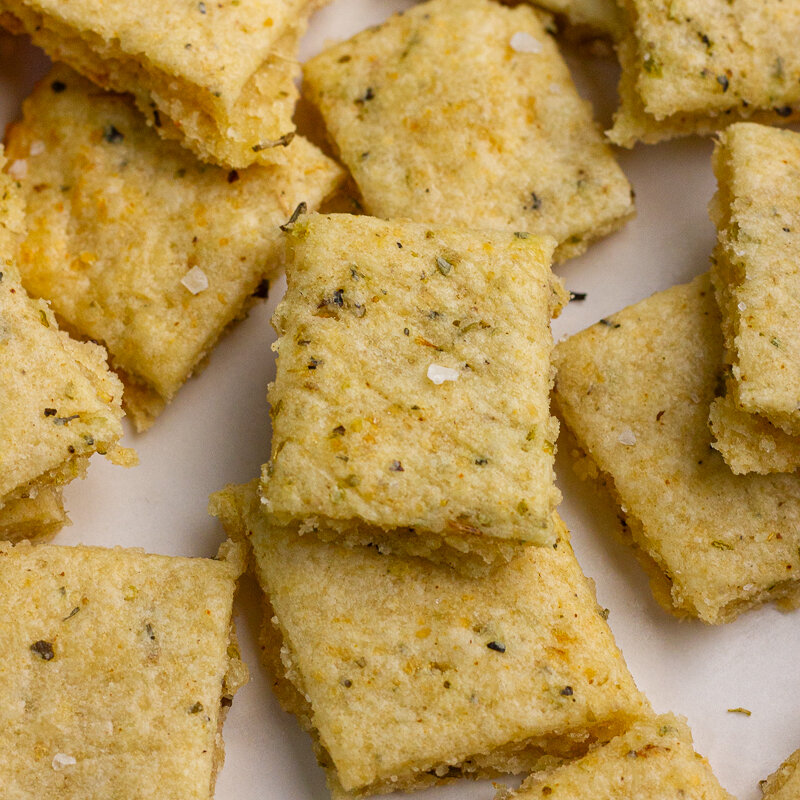
- Try different shapes by cutting the dough into squares, rectangles, or small rounds depending on the occasion.
Tips for the Best Homemade Crackers
- Keeping the butter cold helps create a crisper, slightly flaky texture once the crackers bake.
- Adding the heavy cream gradually makes it easier to stop as soon as the dough holds together, since gluten-free flour blends can absorb liquid differently.
- Rolling the dough thin and even helps all of the crackers crisp at about the same rate instead of leaving some soft in the center.
- Watching the crackers near the end of baking is important because thinner pieces and outside edges can brown more quickly.
- Letting the crackers cool completely gives them time to firm up and become even crispier after they come out of the oven.
Serving Ideas
- Serve them with this creamy baba ganoush for an easy snack or appetizer.
- Pair a handful with a bowl of Low FODMAP potato soup for a cozy lunch with a little extra crunch.
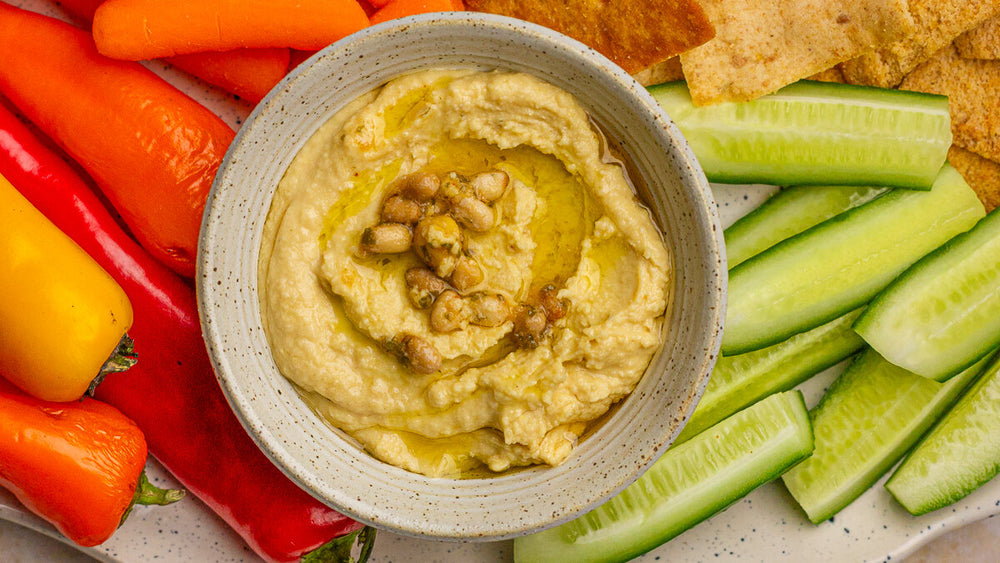
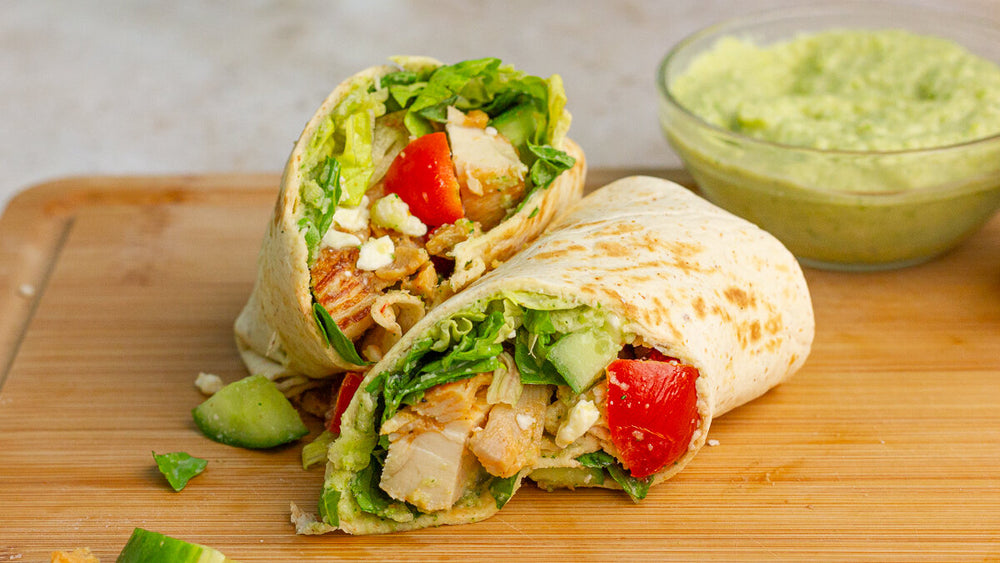
- Add them to a snack plate with cheese, fruit, and a scoop of the zucchini hummus from this Low FODMAP Mediterranean Chickpea-Free Hummus Wrap.
- Serve them crumbled over autumn turkey chili for a hearty fall meal with a crisp, cheesy topping.
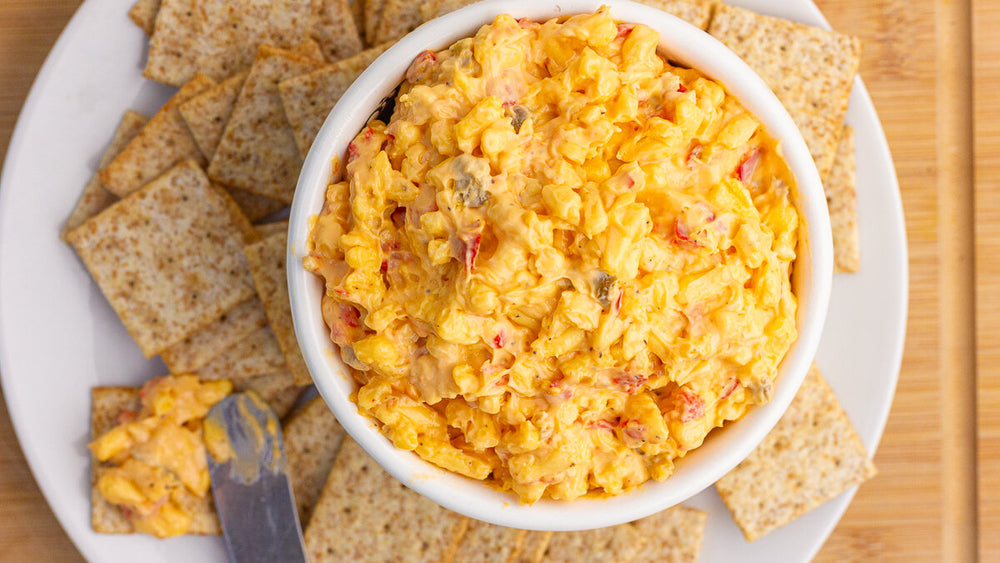
- Use them to scoop up pimento cheese for an easy Southern-inspired pairing.
Storage
- Room temperature: Store the cooled crackers in an airtight container for about 3 to 4 days. Make sure the crackers are completely cool before sealing the container so trapped steam does not soften them.
- Refresh leftovers: If the crackers lose some crunch, place them in a 300°F oven for a few minutes, then let them cool again before serving.
- Avoid refrigeration: Storing the crackers in the refrigerator can introduce extra moisture and make them soften more quickly.
FAQs
Why aren't my homemade crackers crispy?
Can I make the dough ahead of time?
Do I need to grate the Parmesan myself?
Are all gluten-free crackers Low FODMAP?
Low FODMAP Parmesan Herb Crackers
Ingredients
1 cup gluten-free all-purpose flour
1/2 cup freshly grated Parmesan cheese
4 tablespoons unsalted butter, cold and cut into small pieces
1/2 teaspoon salt
1/8 teaspoon black pepper
1/8 teaspoon paprika
2 teaspoons Italian seasoning
5 tablespoons heavy cream
Flaky salt for topping, optional
Instructions
Preheat the oven to 400°F. Coat a large sheet pan with cooking spray, then lightly dust with gluten-free flour.
Add the Parmesan and cold butter to a food processor. Pulse several times until the mixture appears coarse and crumbly.
Add the salt, pepper, paprika, and half the flour. Pulse briefly until evenly combined.
Add the remaining flour and 4 tablespoons of heavy cream. Pulse until the dough begins forming small clumps.
If the mixture remains too dry, add the final tablespoon of cream and pulse briefly.
Transfer the dough to a sheet of plastic wrap and sprinkle the Italian seasoning evenly over the top.
Gently fold and press the mixture until a soft dough forms, taking care not to overwork it.
Cover the dough with parchment paper and roll it into an even layer, approximately ⅛- to ¼-inch thick.
Remove the parchment paper. Use the plastic wrap to carefully flip the rolled dough onto the prepared sheet pan.
Score the dough into small squares or rectangles with a sharp knife, creating lines without cutting completely through the dough.
Bake for 8–14 minutes, until the edges are lightly golden and the crackers appear set.
Begin checking thinner crackers after 8 minutes. Thicker crackers may require several additional minutes.
Sprinkle the warm crackers with flaky sea salt, if desired. Leave them on the pan until completely cooled.
Break the cooled crackers apart along the scored lines before serving.
Nutrition Facts
Per serving
42
3.0g
4.0g
1.0g
0.0g
66.0mg
0.0g
2.0g
Notes
- Gluten-free flour blends absorb liquid differently, so begin with 4 tablespoons of cream and add more only as needed.
- Check seasoning blends and gluten-free flour labels for ingredients such as garlic, onion, inulin, or chicory root if you are following a strict Low FODMAP diet.
- Store completely cooled crackers in an airtight container at room temperature for 3 to 4 days.







 Articles
 Products
Comments
Join The Conversation...