Servings: 4Prep: 15 minsCook: 15 minsTotal: 30 mins
Low FODMAP Citrus Salad with Maple-Dijon Vinaigrette
Winter is coming… which means citrus season is here!
Choosing seasonal produce for your region means enjoying fruits and vegetables when they're at their seasonal best. Winter is an especially good time to explore the many varieties of citrus available at the grocery store or local market.
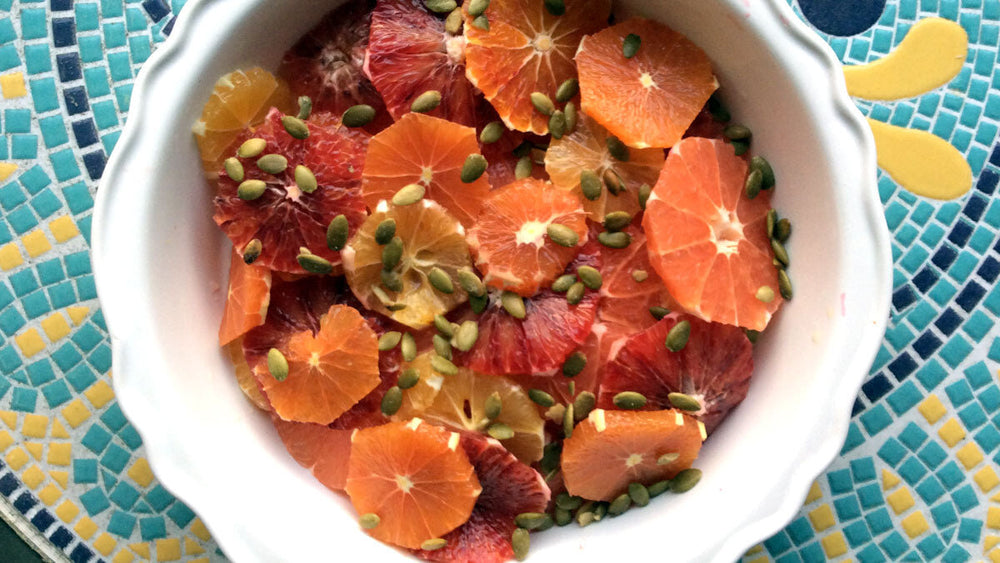
This simple side salad is quick to put together and is a great way to celebrate citrus season in all its colorful glory.
Choose a Mix of Citrus for Color and Flavor
Part of the fun of this salad is using several different citrus varieties.
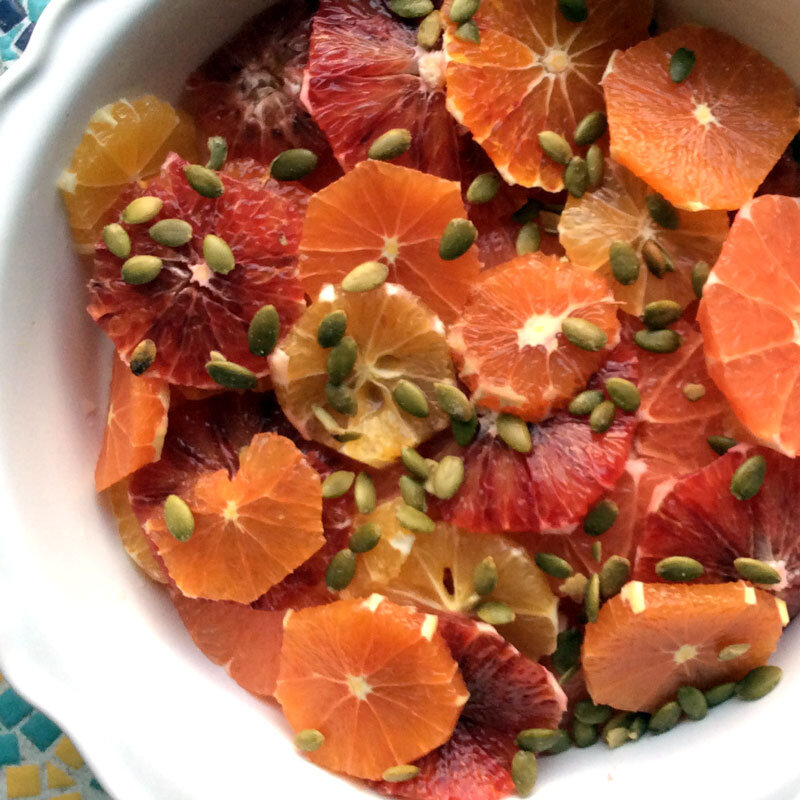
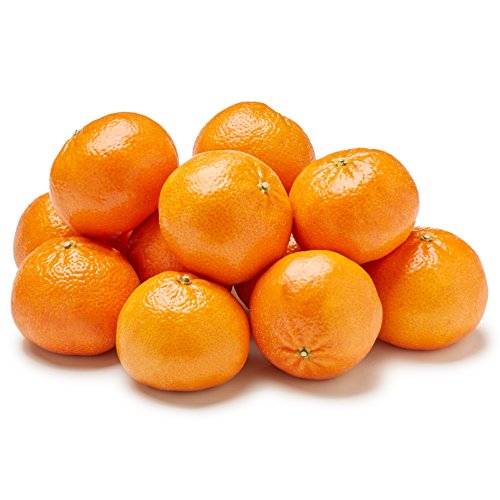
The recipe combines grapefruit, navel orange, blood orange, mandarin, and Cara Cara orange or tangelo. Each brings a slightly different balance of sweetness, tartness, color, and texture.
Don't worry if you can't find every variety listed. Choose the citrus that looks best at your grocery store, and follow the Low FODMAP guidance that fits your needs.
How to Cut Citrus for a Salad
Removing the peel and white pith gives this salad a cleaner texture and lets the colorful citrus become the star of the plate.
You can cut the fruit into thin rounds or supreme the citrus by carefully removing the individual segments from between the membranes.
Supreming takes a little practice, so don't worry if your first attempt isn't perfect. Thinly sliced citrus rounds are just as beautiful and considerably easier!
Toast the Pepitas for Extra Crunch
If you have never roasted pepitas in the fall, try it —your home will thank you. They smell SO GOOD!
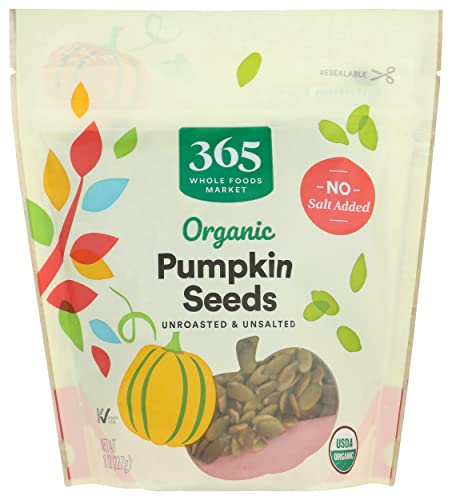
Toasting the pepitas adds a warm, nutty flavor and gives this otherwise juicy salad some contrasting crunch.
Keep an eye on them as they roast. Once they're fragrant, remove them promptly from the oven to prevent burning.
Is This Citrus Salad Low FODMAP?
Several citrus fruits can fit into a Low FODMAP eating pattern, but serving size and the specific fruit matter.
The dressing uses maple syrup rather than honey, and pumpkin seeds are also among the
Low FODMAP alternatives identified by Monash. If you are at the beginning of your Low FODMAP journey, making a batch of simple dressing to keep on hand can make throwing together salads and other meals much easier.
What to Serve with Citrus Salad
This salad pairs especially well with seafood and Mediterranean-inspired flavors, adding a bright contrast to a savory meal.
Try serving it alongside grilled or roasted fish, shrimp, chicken, or a simple rice or quinoa dish. It also adds color to a brunch spread or holiday table.
For a more substantial salad, pair it with a protein and another Low FODMAP side that fits your individual dietary needs.
Can You Make Citrus Salad Ahead of Time?
You can do some prep ahead, but this salad is best assembled shortly before serving. Peel and slice the citrus ahead of time, then store it covered in the refrigerator. You can also prepare the vinaigrette separately and refrigerate it. Wait to add the dressing and toasted pepitas until close to serving so the pepitas stay crunchy and the citrus remains fresh.
And for those with GERD? Citrus and lemon juice may trigger reflux symptoms for some people. If citrus is one of your known triggers, this may simply not be the best salad for you—and that's okay.
FAQs
What citrus fruits work best in this salad?
Use a colorful combination of oranges, mandarins, grapefruit, or other citrus available in your area. If you're following Low FODMAP, check current serving guidance for each variety.
Do I have to supreme the oranges?
No. Supreming creates attractive membrane-free segments, but thin citrus rounds work just as well and require considerably less knife work.
What can I serve with citrus salad?
This salad pairs particularly well with seafood, chicken, rice, quinoa, and Mediterranean-inspired dishes. It can also add color to a brunch or holiday spread.
Can I prepare citrus salad ahead of time?
Yes, but keep the components separate when possible. Prepare the citrus and dressing ahead, then add the vinaigrette and toasted pepitas shortly before serving.
Medical Review Note: Grapefruit and grapefruit juice can interact with certain prescription and over-the-counter medications by affecting how some drugs are metabolized. If you take medication, check the label or ask your pharmacist or healthcare provider whether grapefruit is safe for you to consume.
References
1Saini, R. K., Ranjit, A., Sharma, K., Prasad, P., Shang, X., Gowda, K. G. M., & Keum, Y. S. (2022). Bioactive Compounds of Citrus Fruits: A Review of Composition and Health Benefits of Carotenoids, Flavonoids, Limonoids, and Terpenes. Antioxidants (Basel, Switzerland), 11(2), 239. https://doi.org/10.3390/antiox11020239













 Articles
 Products

Comments
Join The Conversation...