Servings: 6Prep: 10 minsCook: 25 minsTotal: 35 mins
GERD-Friendly Homemade Hamburger Helper
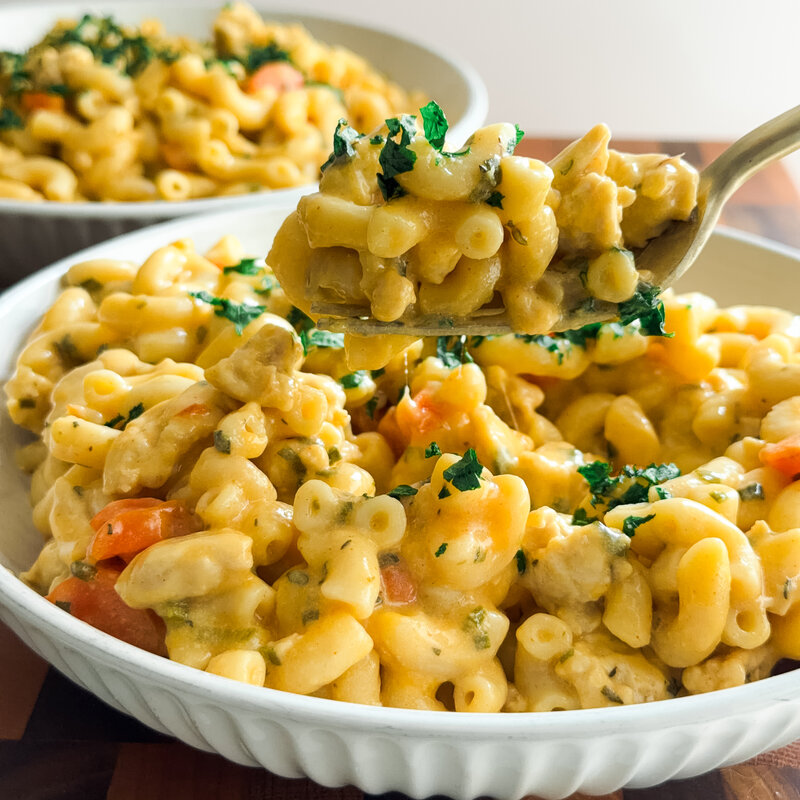
If you need a weeknight dinner that's fast, filling, and easy on your stomach, this GERD-Friendly Homemade Hamburger Helper was made for you. It's ready in 35 minutes, uses simple pantry staples, and skips the common trigger ingredients found in the boxed version. Cozy, creamy, and totally doable on a busy night!
This recipe is for anyone navigating GERD who still wants an easy, Hamburger Helper-inspired, family-friendly dinner on the table without spending much time on it. Managing reflux doesn't mean saying no to the meals your family loves. It just means getting a little creative with how you make them!
GERD-Friendly Ingredients and Why They Work
Lean Ground Turkey: Traditional Hamburger Helper calls for ground beef, which can be higher in fat. Fat is a known reflux trigger because it slows digestion and relaxes the lower esophageal sphincter. Lean ground turkey keeps the protein base satisfying while significantly reducing that fat load!
Elbow Macaroni: Pasta is generally well-tolerated by people with GERD. It's not acidic, it's easy to digest, and it soaks up all that creamy sauce. Elbow macaroni is the classic shape here, but any small pasta shape you have on hand will work.
Garlic-Infused Olive Oil: Raw garlic and onion are two of the most common GERD triggers out there! But garlic-infused oil gives you that savory, aromatic depth without the irritation.
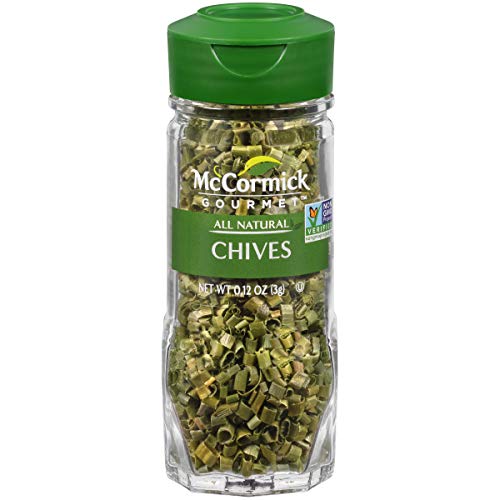
Chives: Onion is another common trigger, so chives step in here as a mild, gentle alternative. They add a light, fresh onion-like flavor without the intensity. They're also easy to find and so simple to use!
Carrots: Carrots add a subtle sweetness, a little texture, and extra nutrients without any acidity. They also help round out the dish and add color. A great way to sneak some vegetables into a comfort food meal!
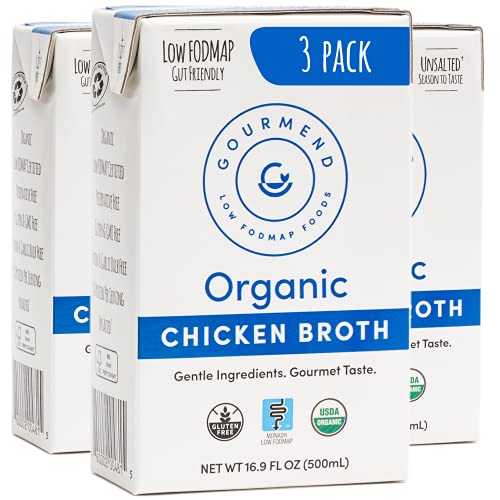
Low-Sodium Chicken Broth: Regular canned broth can be loaded with sodium, which isn't great for overall health. Low-sodium broth keeps the dish flavorful.
Milk: Milk adds creaminess and body to the sauce. Some people with GERD find that dairy can be tolerated in small amounts, though triggers are highly individual. If dairy is a concern for you, an unsweetened oat milk or plant-based alternative can work here too.
Reduced-Fat Cheddar Cheese: Cheese is where that cheesy Hamburger Helper flavor really comes from! Reduced-fat cheddar keeps the richness without as much saturated fat, which helps manage reflux.
Dried Thyme and Sweet Paprika: Both of these spices add depth and warmth without being spicy or acidic. Spicy seasonings, tomatoes, and vinegar-based sauces are common reflux triggers, so choosing mild, herb-forward seasonings like thyme and paprika is helpful.
Substitutions and Variations
One of the best things about making this homemade version is how easy it is to customize. Here are some simple swaps based on your needs and preferences!
Ground Turkey vs. Ground Chicken: Both are lean protein options that work really well here. Ground chicken has a slightly milder flavor, but it works just as well in the sauce. Either one keeps the fat content lower than traditional beef.
Dairy-Free Option: If dairy triggers your reflux, swap the milk for unsweetened oat milk or another plain, unsweetened plant-based milk. For the cheese, a dairy-free shredded cheese alternative can work! Just stir it in slowly over low heat.
Gluten-Free Option: Use a gluten-free pasta and substitute the flour for a 1:1 gluten-free flour blend or a small amount of cornstarch. The sauce will still thicken up nicely!
Tips and Serving Ideas
Tips for Making This Recipe a Success
Cook pasta to al dente. Since the pasta gets folded into the sauce and sits for a few minutes before serving, cooking it slightly firm keeps it from getting mushy.
Stir the broth in slowly. When you add the broth after the flour, pour it in gradually while stirring constantly. This prevents lumps and gives you that smooth, velvety sauce.
Adjust based on your personal triggers. GERD symptoms and food triggers are very individual. This recipe avoids the most common culprits, but you know your body best! Feel free to leave out any ingredient that doesn't work for you.
Make it meal-prep friendly. This dish reheats well! Store leftovers in an airtight container and add a small splash of milk or broth when reheating to bring the sauce back to life.
Serving Ideas
This GERD-friendly dinner is hearty enough to stand on its own, but here are a few ways to round out the meal if you want to add more to the plate!
- A simple side salad with a mild olive oil dressing
- Steamed green beans or peas
- Roasted zucchini or yellow squash
FAQ
What makes traditional Hamburger Helper hard on GERD?
The boxed version often contains tomato powder, high amounts of sodium, added spices, and sometimes MSG. Tomatoes and high-fat ground beef are two of the most common reflux triggers. When you make it at home, you control every ingredient and can skip the ones that don't work for your body.
Is ground turkey better than ground beef for GERD?
It can be, yes. Ground turkey, especially lean ground turkey, is lower in fat than most ground beef options. Since higher-fat foods can relax the lower esophageal sphincter and slow digestion, choosing a leaner protein may help reduce symptoms for some people. That said, everyone is different, and what works for one person may not work for another.
How do I know which ingredients trigger my GERD?
Keeping a food and symptom journal is one of the most helpful tools for identifying personal triggers. Common culprits include tomatoes, citrus, spicy foods, high-fat meals, caffeine, chocolate, and mint. Working with your doctor or a registered dietitian can also help you create a plan that fits your lifestyle and symptom patterns.















 Articles
 Products

Comments
Join The Conversation...