


The Low-FODMAP Diet Doesn’t Have to Feel Overwhelming
The Low FODMAP diet can seem frustrating at first…
I have seen it myself—the frustration people feel, mentally and physically, when they are told they should “try” the Low FODMAP diet to help reduce their Irritable Bowel Syndrome or other gastrointestinal symptoms, but are only given a one-page sheet explaining what FODMAPs are.
That’s a lot to take in with very little support.
The good news? There are some truly helpful, well-developed resources out there that can make this process feel much more manageable—and even empowering.
A Resource That Actually Helps You Understand the “Why”
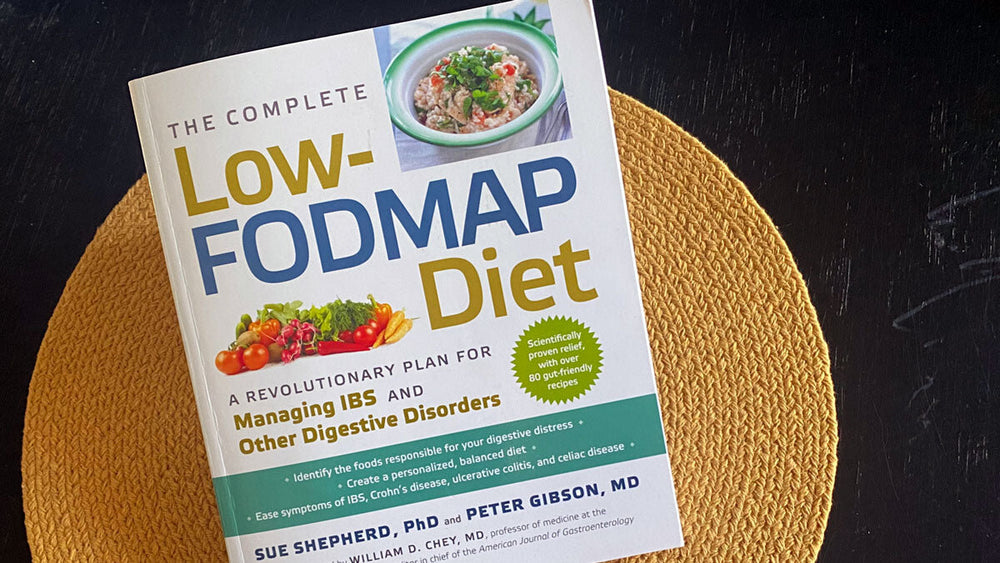
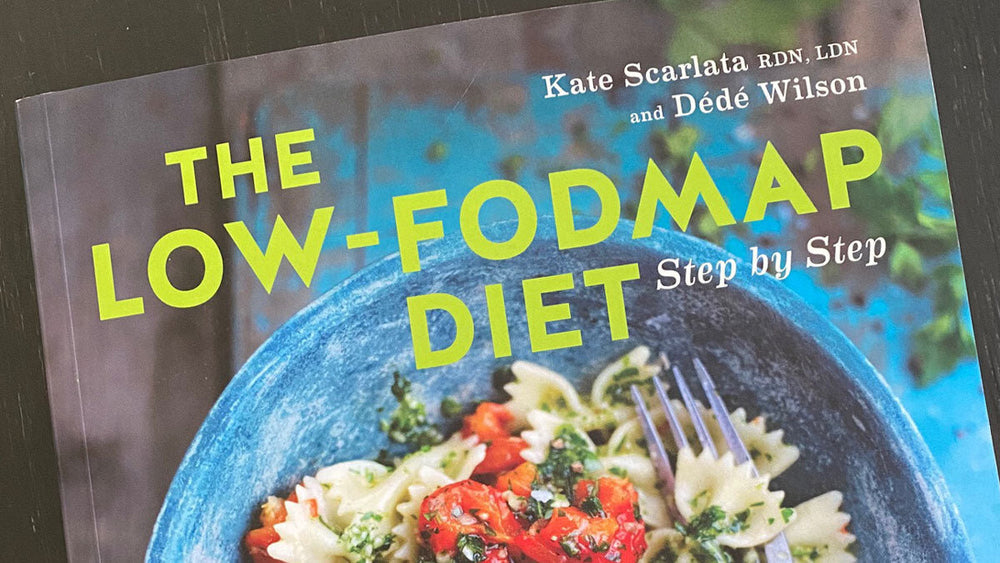
Two of my favorite books for navigating the Low FODMAP diet include The Low-FODMAP Diet: Step by Step by Kate Scarlata & Dédé Wilson, and The Complete Low-FODMAP Diet (A Revolutionary Plan for Managing IBS and Other Digestive Disorders) by Sue Shepherd, PhD & Peter Gibson, MD—which I’ll focus on here.
This book contains a lot of information… and in this case, that’s a good thing.
Sue Shepherd and Peter Gibson really take the time to walk you through the fundamentals of gastrointestinal disorders and the role nutrition plays in symptom development and management. This kind of foundational understanding is incredibly important, especially since the Low FODMAP diet is not just a “diet”—it’s a structured, evidence-based approach for identifying personal food triggers.
They also provide a thorough breakdown of FODMAPs and dedicate an entire chapter to implementing the diet before moving into real-life applications, including how it may intersect with other conditions like diabetes.
What Makes This Book Stand Out
One of the most helpful features of this book is the inclusion of sample menus.
For anyone starting the elimination phase, having meals already mapped out can make a huge difference. Instead of guessing what to eat—or feeling like your options are limited—you have a clear starting point.
The book includes a variety of structured meal plans, such as a 14-day general Low FODMAP plan, as well as shorter plans tailored to different dietary needs, like vegetarian, dairy-free, low-fat, and vegan approaches.
And I have to highlight the vegan plan in particular—because for many individuals following both a plant-based diet and a Low FODMAP approach, finding balanced, satisfying meals can feel especially challenging. Having this level of guidance is incredibly valuable.
Practical Tools for Real-Life IBS Management
Another standout feature is the built-in food and symptom diary in the back of the book.
Tracking what you eat and how you feel is a key part of both the elimination and reintroduction phases of the Low FODMAP diet. It helps you identify patterns, pinpoint triggers, and better understand your body’s response to certain foods.
There are also helpful sections that clarify common areas of confusion—such as the relationship between Low FODMAP and gluten-free diets and when wheat avoidance is actually necessary.
These are the kinds of details that can make a big difference in reducing unnecessary restriction and supporting long-term gut health.
Let’s Talk About the Recipes
I absolutely cannot wrap up this review without mentioning the recipes.
Yes, they are beautiful and well-developed—but what really stands out is the balance. There are plenty of satisfying, comforting options, including desserts that don’t make you feel like you’re missing out.
For anyone struggling with food enjoyment while managing IBS symptoms, that matters. A lot.
From mocha mud cake to baked caramel cheesecake, macaroons, and frozen cappuccino, there are options that prove you can still enjoy food while taking care of your gut.
The Bottom Line
The Low FODMAP diet can feel overwhelming—but it doesn’t have to stay that way.
With the right resources, guidance, and a structured approach, it can become a powerful tool for understanding your body, reducing symptoms, and improving quality of life.
If you’re considering the Low FODMAP diet for better symptom control, The Complete Low-FODMAP Diet by Sue Shepherd and Peter Gibson is a resource worth having on hand.
- Halmos, E. P., Power, V. A., Shepherd, S. J., Gibson, P. R., & Muir, J. G. (2014). A diet low in FODMAPs reduces symptoms of irritable bowel syndrome. Gastroenterology, 146(1), 67–75. https://doi.org/10.1053/j.gastro.2013.09.046
- Staudacher, H. M., Whelan, K., Irving, P. M., & Lomer, M. C. E. (2017). Comparison of symptom response following advice for a diet low in FODMAPs versus standard dietary advice in patients with irritable bowel syndrome. Journal of Human Nutrition and Dietetics, 30(1), 36–47. https://doi.org/10.1111/jhn.12385










 Recipes
 Products

Comments
Join The Conversation...